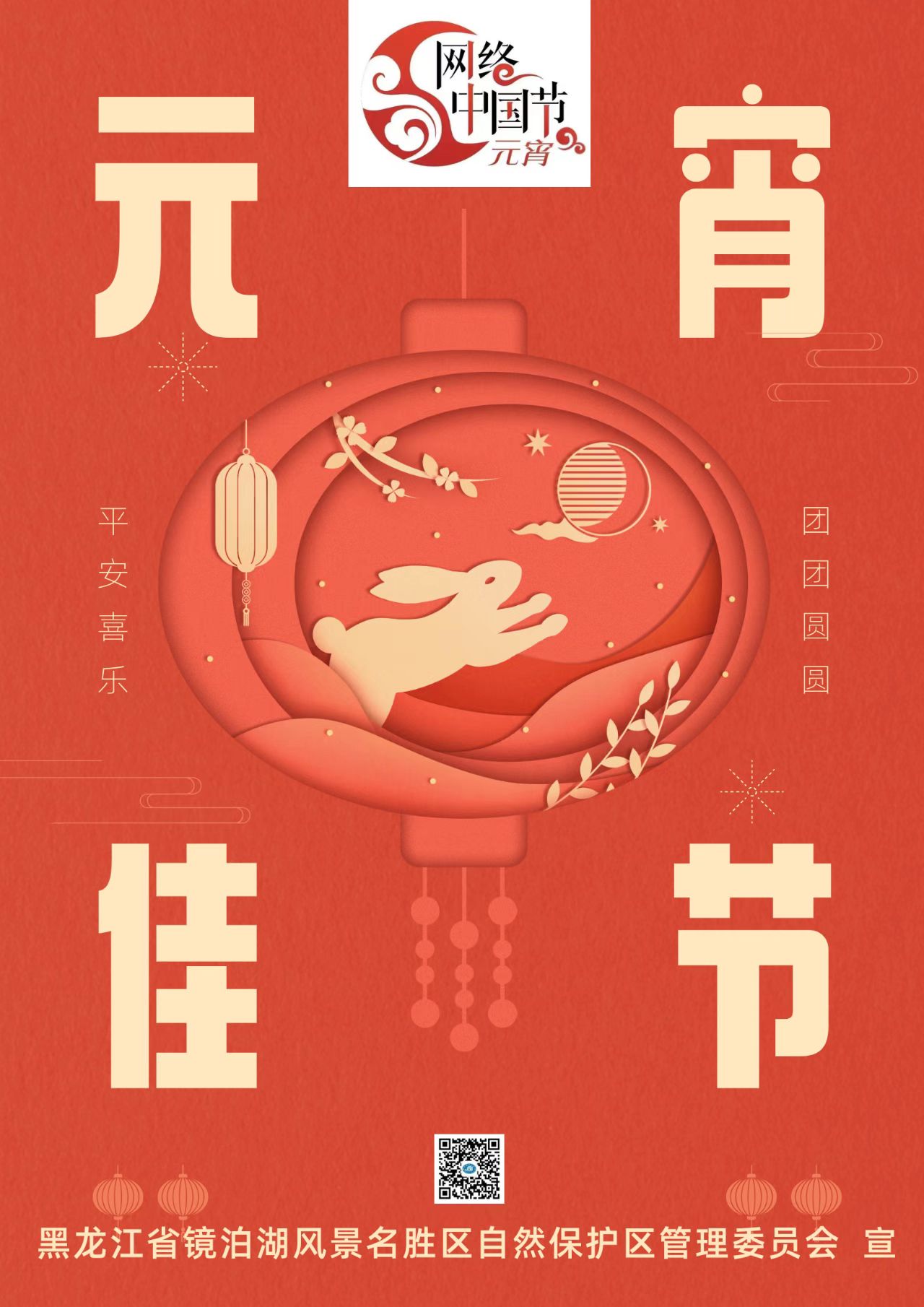


Lantern Festival
The 15th day of the first lunar month, also known as Shangyuan Festival, Yuan Ye, or Festival of Lights
is one of China's traditional festivals
The 15th of the first lunar month marks the first full moon night of the year
hence called the "Lantern Festival"
Unlike other traditional festivals that emphasize "family reunion," the Lantern Festival places greater emphasis on "universal celebration."After this day, people truly enter the new year's production and daily life. Therefore, the Lantern Festival is a time for nationwide celebration, praying for divine blessings of favorable weather and bountiful harvests in the coming year, which also expresses people's beautiful aspirations for the new year.For this reason, there is a folk custom in China known as "making merry on the fifteenth day of the first lunar month."
Lantern Festival Customs
1. Eating Yuanxiao (Sweet Rice Balls)
Eating Yuanxiao (Sweet Dumplings). The food "Yuanxiao" has a long history in China. Originally called "Fuyuanzi" and later renamed "Yuanxiao," it was also euphemistically referred to as "Yuanbao" (meaning "ingot") by merchants. In ancient times, Yuanxiao was quite expensive, as reflected in a poem: "Noble guests draw the curtains to view the imperial street, where rare delicacies arrive momentarily. With floral displays blocking the path ahead, one cannot leave without spending money." Yuanxiao, also known as "Tangyuan," is made by wrapping fillings such as sugar, rose petals, sesame, red bean paste, osmanthus, walnuts, nuts, or jujube paste in glutinous rice flour to form round balls. They can be either savory or sweet, offering a variety of flavors. They can be boiled, fried, or steamed, symbolizing reunion and happiness. In the north, Yuanxiao is "rolled," while in the south, Tangyuan is "wrapped"—both methods convey the meaning of family togetherness, symbolizing the reunion and joy of the whole family year after year.
II. Lantern Viewing
“"A flute song fills spring like the sea, a thousand lanterns light the night as day." The Lantern Festival tradition involves vibrant displays where streets are adorned with lanterns before the 15th day of the first lunar month, creating a dazzling spectacle of lights and floral decorations. On the evening of the festival, red lanterns of all kinds—palace lanterns, animal-head lanterns, revolving lanterns, floral lanterns, and bird-shaped lanterns—hang high across streets and alleys, captivating crowds of spectators.
3. Guessing Lantern Riddles
Lantern riddles, also known as "guessing lantern puzzles," are a unique traditional Chinese folk entertainment with distinctive ethnic charm, dating back to ancient times as a signature activity of the Lantern Festival. On the 15th day of the first lunar month, communities traditionally hang colorful lanterns and set off fireworks. Later, creative individuals began writing riddles on slips of paper and attaching them to the vibrant lanterns for others to solve. Riddles existed as early as the Spring and Autumn period, then called "hidden words," evolving into "mí" (谜) by the Han and Wei dynasties. During the Southern Song Dynasty, people started inscribing riddles directly on lanterns for festival-goers to solve. Post-Southern Song, lantern viewing and riddle-solving became integral to the festive and heartwarming atmosphere of the Lantern Festival. Crafting traditional lantern riddles follows specific formats and requires ingenuity, representing an original Chinese literary art form.
IV. Lion Dance
Lion dance is an outstanding Chinese folk art. During the Lantern Festival or celebration gatherings, it is customary to perform lion dances to add to the festive atmosphere. This tradition originated in the Three Kingdoms period, became popular during the Southern and Northern Dynasties, and has a history of over 1,000 years."Lion Dance" began in the Wei and Jin Dynasties, flourished in the Tang Dynasty, and is also known as "Dancing Lion" or "Music of Peace." It is typically performed by three people: two dress up as the lion (one as the lion's head and the other as the body and hind legs), while the third acts as the lion tamer. The dance styles are divided into civil and martial forms. The civil dance showcases the lion's gentleness with movements like shaking its fur and rolling, whereas the martial dance demonstrates the lion's ferocity with leaps, climbing, and rolling the colorful ball.