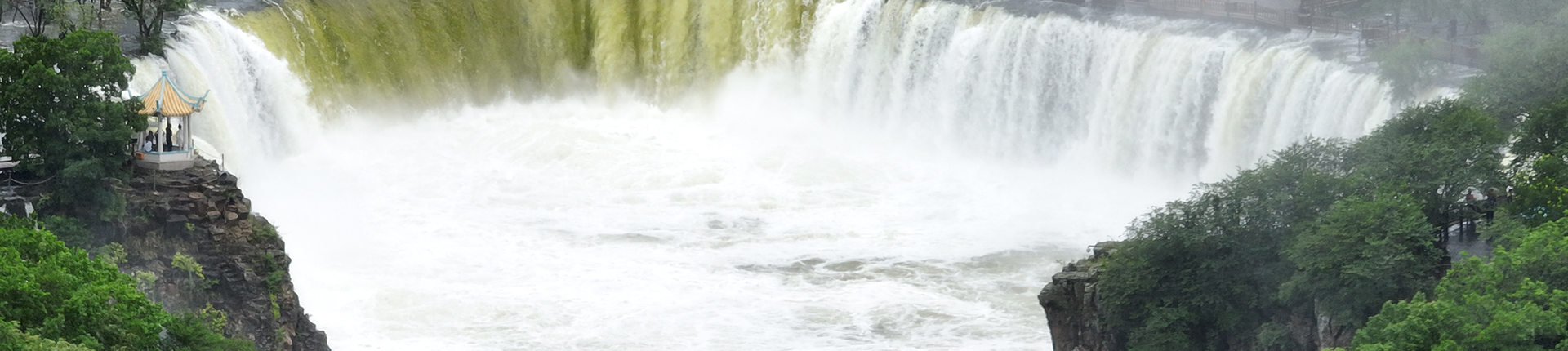
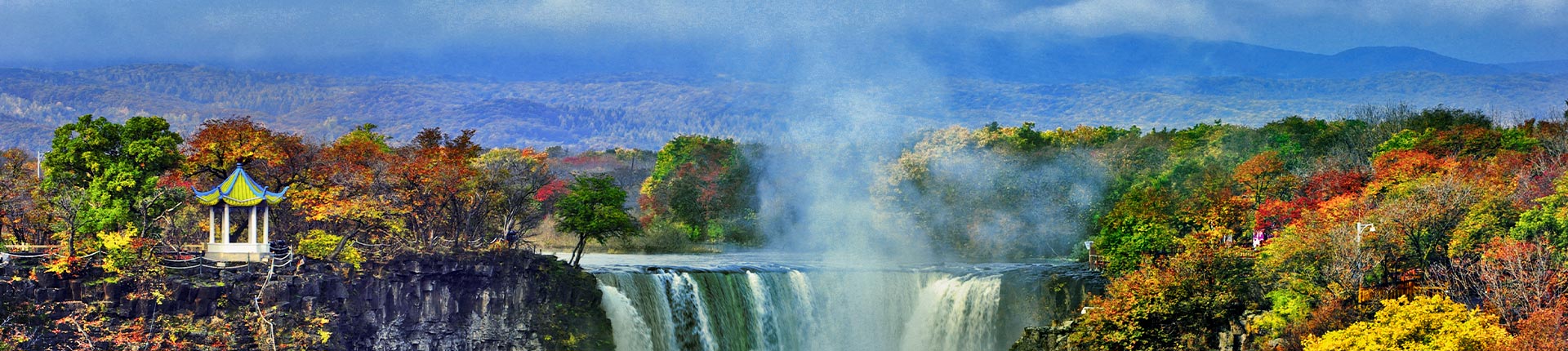


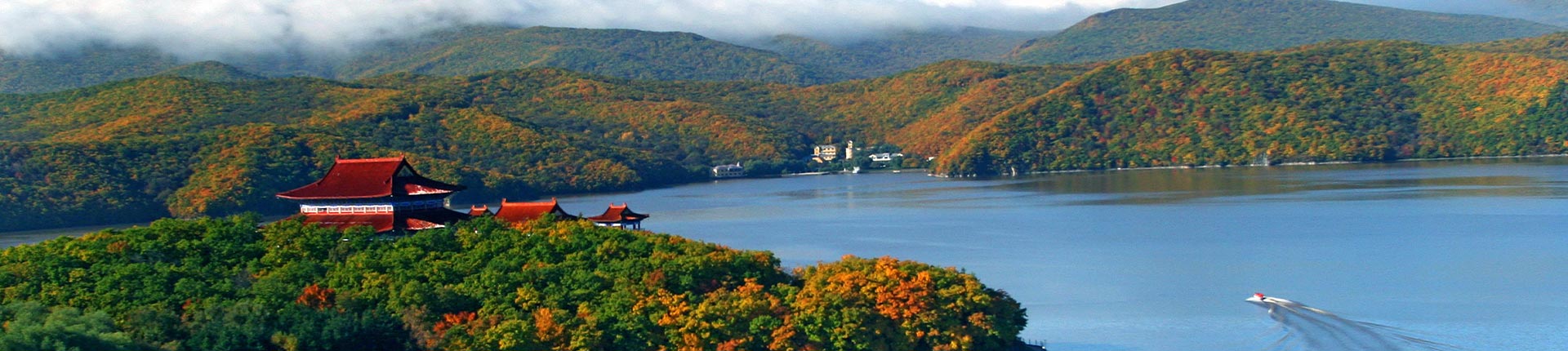
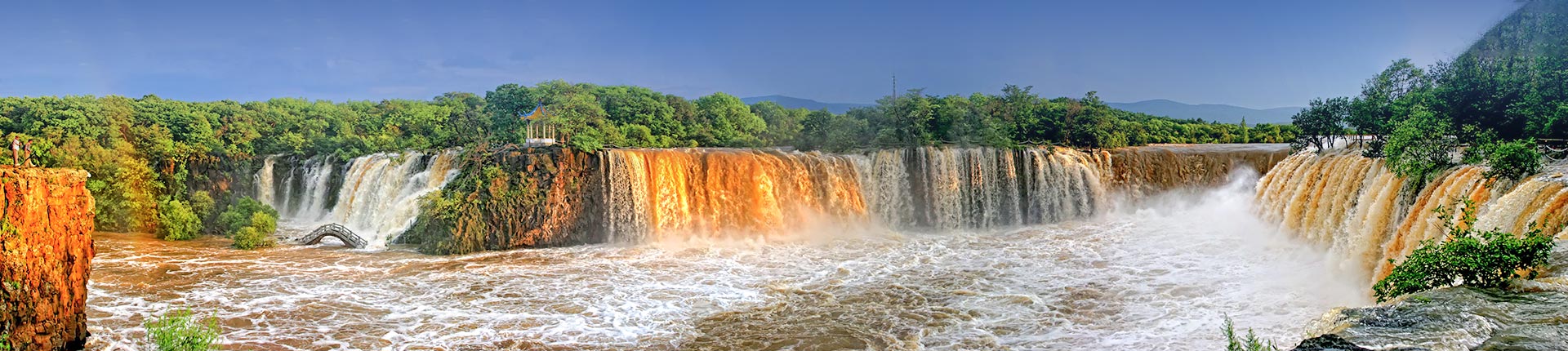
A UNESCO Global Geopark refers to a clearly defined, appropriately sized sustainable development area recognized by UNESCO that possesses geological heritage and rich natural and cultural resources of global or international significance. These geoparks primarily feature geological scientific value, remarkable beauty, and unique geological landscapes, integrating both natural and cultural scenery. Selected by UNESCO, this initiative was launched after 2000 with the goal of identifying and protecting over 500 geological landscapes worthy of preservation. As a model of resource utilization, Global Geoparks demonstrate comprehensive benefits in various aspects, including the protection of geological heritage and ecological environments, local economic development and employment generation, scientific research and public education, enhancement of existing scenic areas and infrastructure upgrades, as well as international cooperation and public awareness. They contribute significantly to ecological civilization and the preservation of local culture, serving as a national identity card showcasing a country's image and as an engine for fostering international collaboration.