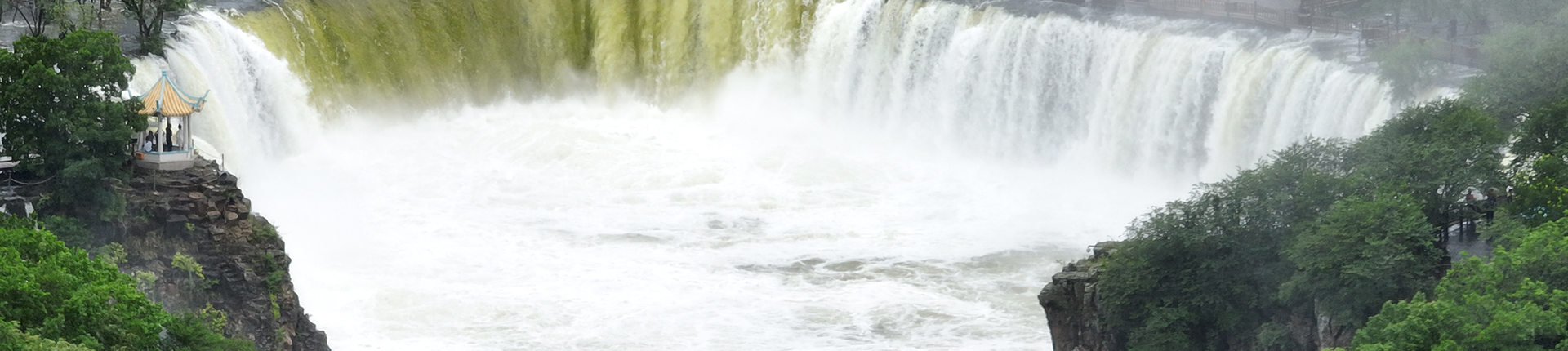
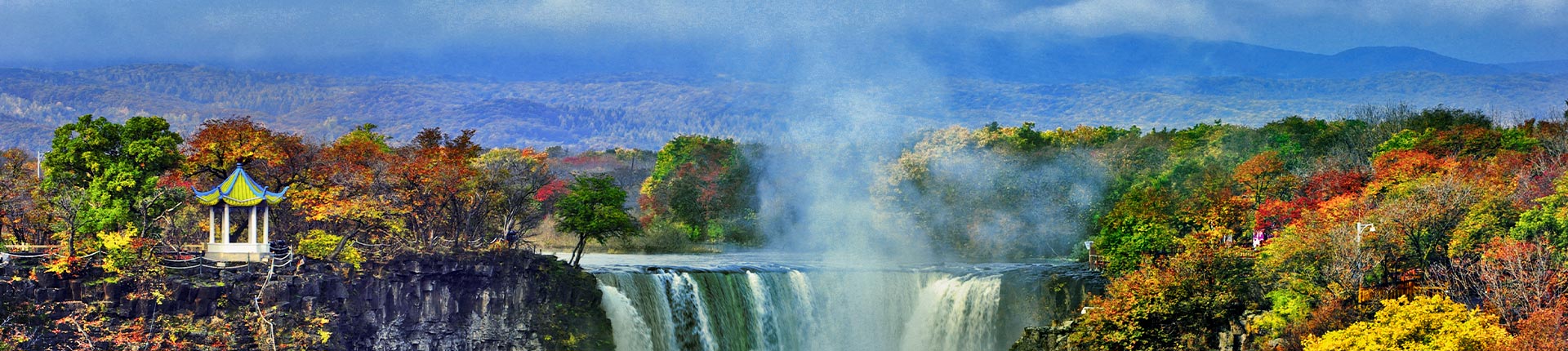
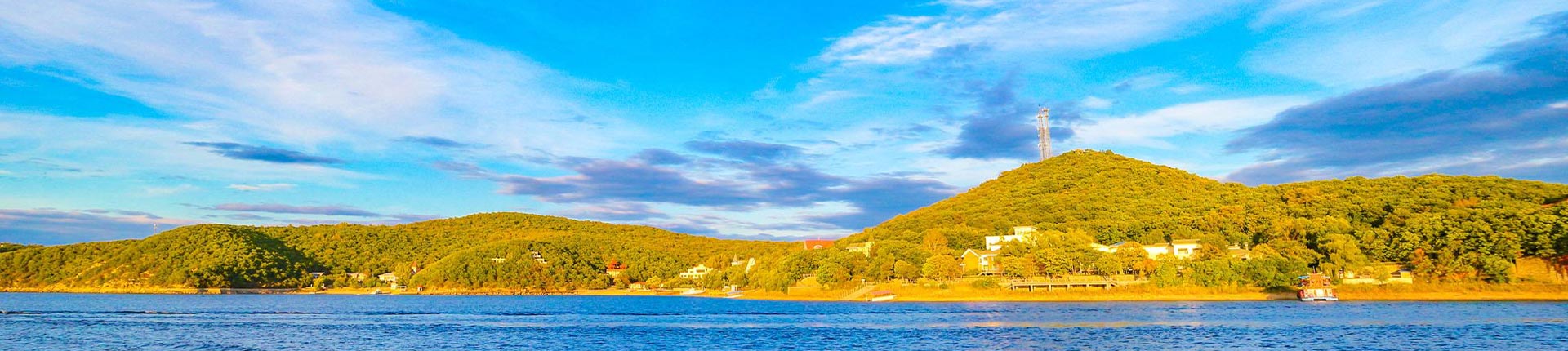

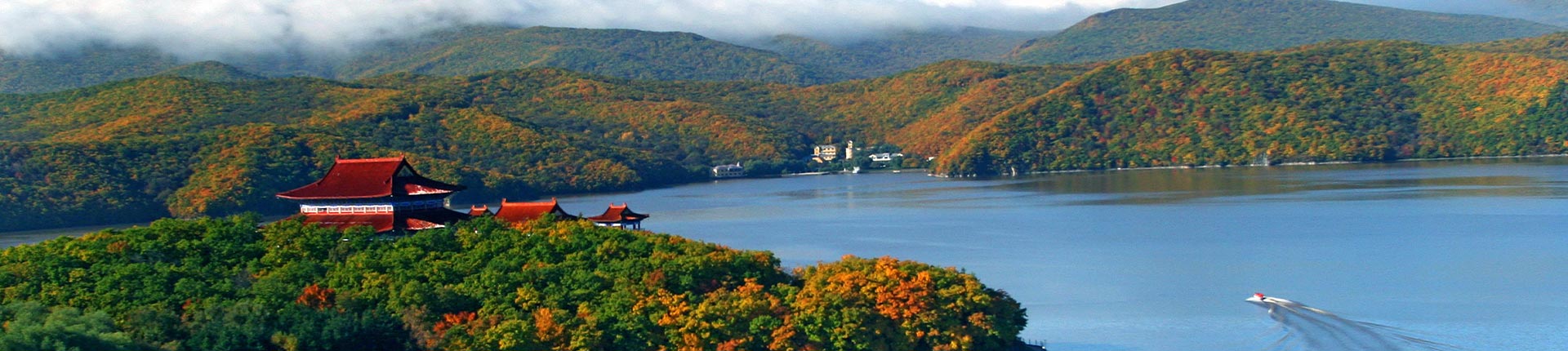
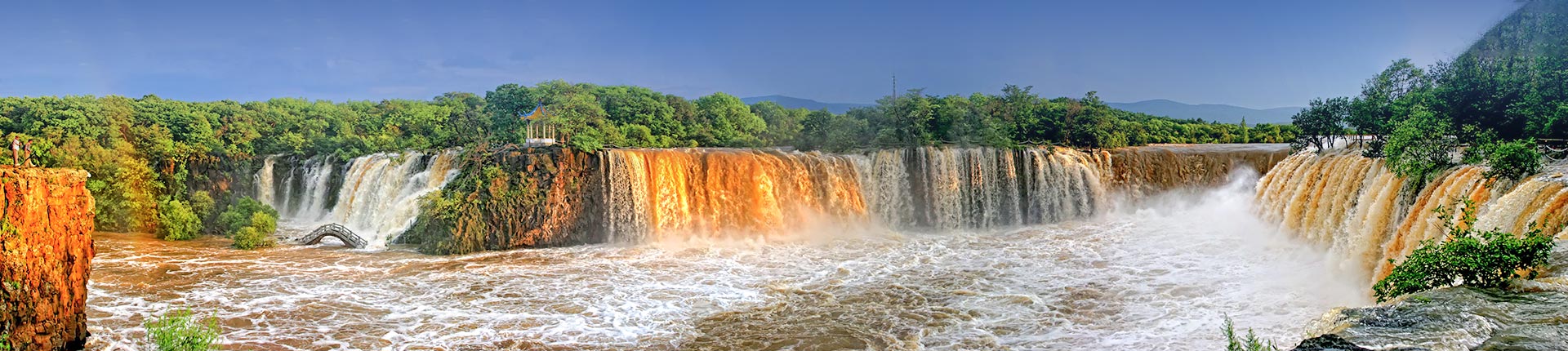

Amid the portrayal in various literary works and Qing dynasty palace dramas, "Exiled to Ningguta to serve as slaves to the armored men.", Ningguta has become a symbol of a "land of bitter cold," long labeled with tags like "freezing" and "desolate." soNingutaWhere exactly is it? Are its living conditions really that harsh?
"Ningguta" is not actually a tower
"Ningguta" is not a pagoda, but a place name., Its original meaning in Manchu is "six," and a more appropriate Chinese translation would be closer to "Six Households." the seat of the Ningguta General's administration, The earliest city was built by the side of the Hailang River in Gucheng Village, Changting Town, Hailin City, Mudanjiang. However, frequent summer floods often destroyed the city walls, and was relocated in 1666 to present-dayNing'an City, Mudanjiang.。 Subsequently, Ningguta rapidly developed into Heilongjiang, Wusuli Riverthe largest military and administrative town in the basin, and also the largest economic and transportation hub. Exile to Ninguta Illustration / Song Handi In the early Qing Dynasty,the military governor of Ninggutaestablished his administrative seat in Mudanjiang. This place also becameone of the important settlement areasfor exiles during the Qing Dynasty. The Qing Dynasty's exile system was harsh, with the journey from the capital to Ningguta being long and arduous, There was a lack of supply facilities along the route, and the means of transportation were backward. many exiles perished along the way due to injuries, illnesses, cold, or starvation.。 Although the high mortality rate during the journey is an undeniable fact, yetafter arriving in Ninguta, many exiles actually lived quite well。 This was largely due to the Mudan Riverand its uniquely favorable natural and geographical conditions。 Mudanjiang is known as the "Little Southern Region" of Heilongjiang Province.
Mudanjiang CityLocated in the southeastern corner of Heilongjiang Province, it is the prefecture-level city with the lowest latitude in the province, and influenced by the warm and moist air currents from the Sea of Japan, during winter,The average temperature is among the highest in the province. It is truly the "Little Southern China" of Heilongjiang Province. Location Map of Mudanjiang City Situated inthe transitional zone between the northern extension of the Changbai Mountains and the Songnen Plain, To the west and north liethe Zhangguangcai Mountainscovered by the Changbai Mountain range, The terrain is relatively elevated; The southern part belongs to the Laoyeling mountainous area; The east gradually transitions to the Muling-Xingkai Plain, with a gentler topography; While the central region consists of a string-of-pearls-like valley basin formed along the Mudan River and its tributaries. The complex and diverse topography, endows different regions of Mudanjiang City with distinctly unique "characteristics." If you visit Zhangguangcai Ridge in winter, You are most likely to see a bleak world covered in white snow, with everything frozen solid. The photo shows the highest peak of Zhangguangcai Mountain Range - Datudingzi Peak (1,690 meters above sea level), It is also the highest peak in Heilongjiang Province. Photography / Pang Xianqun Favorable natural conditions, have made this placea "civilization incubator" on the northeastern land,, giving birth to a long and splendid human civilization. At the Shiren Cave site in Hailin, not only was the largest known "stone tool workshop" from China's Neolithic era unearthed, but also artifacts and remains from the Paleolithic period were discovered; during the Warring States to the Han Dynasty periods, the ancient northeastern tribes such as Sushen, Wozu, Wuji... Here stand the ruins of numerous mountain cities; from the Tang Dynasty,the Bohai Kingdom, achieved a cultural zenith in the ancient Northeast region, earning the title of "Prosperous Kingdom East of the Sea." In the early Qing Dynasty, it became the garrison of the Ningguta General. It served as a defense against Russian invasion, functioning as the military and administrative hub governing the tribes along the Heilongjiang and Wusuli River basins. The map displays important historical and cultural relics from the Paleolithic Age to the Qing Dynasty, Significant Historical and Cultural Heritage of Mudanjiang City Mudanjiang, "The mountains, rivers, and lands are all extremely fertile." "Wild vegetables and herbs are all of excellent quality."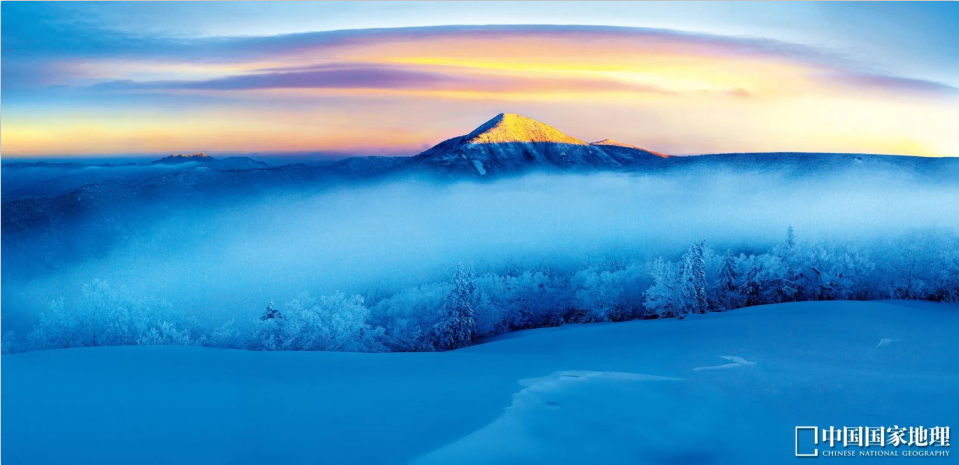
In the Mudan River valleyWith a well-developed water system and dense network of rivers and lakes, The surrounding mountains are lush with dense forests, Boasting unique advantages in fishery and forestry resources. Famous Exiles of the Qing DynastyWu ZhaogianOn his deathbed He also reminisced with his family about his time in Ningguta,"hunting pheasants at the foot of White Mountain and fishing for carp in the Songhua River,"recalling those experiences, His son Wu Zhenchen recorded in *Ningguta Jilüe* (Brief Records of Ningguta) "The river abounds with fish, extremely fresh and plump," and "wild mountain vegetables, all of excellent quality."and other records. The left image captures the towering pile of fish catches during the Winter Fishing Festival at Jingpohu. Photo by Zhang Shu Currently, Mudanjiang City is focusing on developing its cold-water fish industry, and promoting the integration of fisheries with other industries, with the Jingpohu Lake Winter Fishing Festival being a prime example of blending fisheries and tourism. The cultivation of edible fungi in the underforest economy of Mudanjiang has performed exceptionally well. boasting the titles of "World Capital of Black Fungus" and "City of Edible Fungi in China" Black fungus and Hericium erinaceus lead the nation in scale and yield. accounting for about 14% of the national total respectively。 The picture shows the scene of harvesting black fungus Photo by Zhang Weiguo In the annals of history, There are records of "Luzhou rice" produced by the Bohai Statebeing listed as a tribute item.In the history books, The origin of Lucheng rice, is located in today's Bohai Town, Ning'an City, Mudanjiang to the area around Shimen Town, Antu County, Yanbian, Jilin. Now, the "Xiangshui Rice”, grown on the lava plateau in Ning'an City is considered the pinnacle of quality for northeastern rice. Renowned for its unique growing environment and refreshingly sweet taste. On the volcanic basalt "slate fields" of the lava plateau, covered with 10-30 cm thick volcanic ash and humus soil; Irrigated by water from Jingpohu, with pure quality and rich in various minerals; Volcanic rocks also have excellent heat storage capacity. It extends the growth period of rice, which is conducive to nutrient accumulation. A favorable external environment, results in relatively short and sturdy rice stalks for Xiangshui rice, with plump grains and tightly wrapped husks that are resistant to cracking, turning golden yellow upon maturity, exhibiting a natural waxy luster. Autumn after the Peony River Bohai Xuanwu Lake Photo by Tang Weidong Mudanjiang: The region with the richest biodiversity in Heilongjiang Province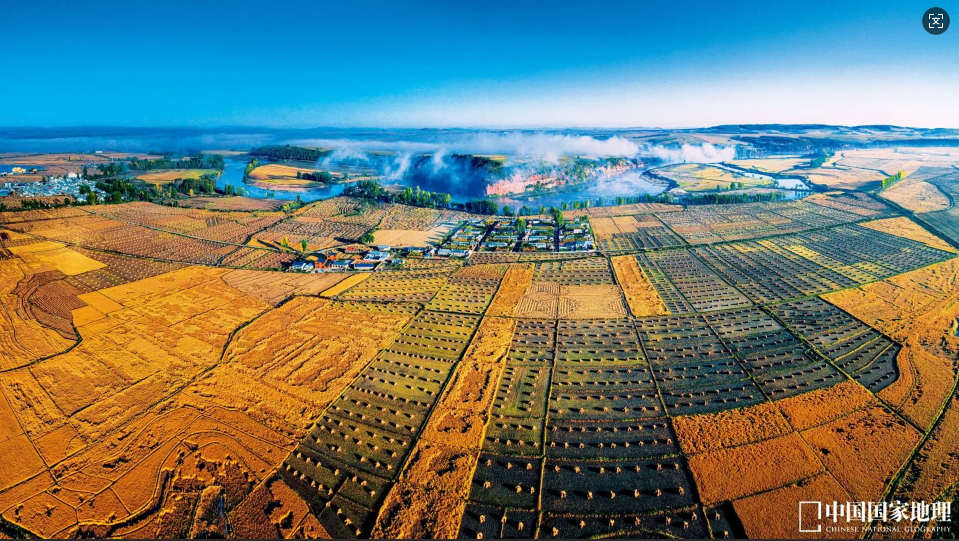
Mudanjiang City's forest resources are not only vast in quantity and high in coverage, but also characterized by diverse types, pristine ecology, and concentration of rare species. The forest coverage rate exceeds 62% citywide., far above the average level of Heilongjiang Province. The zonal vegetation here is a mixed forest of Korean pine and broad-leaved trees. It represents the most typical native forest ecosystem in China's temperate zone. Korean Pine and Broadleaf Mixed Forest Photo by Xu Yang In the Laoyeling Forest Area located south of Mudanjiang City, There are also some relict subtropical plants that have survived. This isNortheast Yew。 Plants of the genus Taxus primarily grow in warm temperate and subtropical climate zones. The Northeast Yew (Taxus cuspidata) has survived the glacial period to the present day, resulting from the combined effects of climatic stability, topographical shelter, and geographical flora evolution. Northeast Yew Photo by Wang Xinglin
Ninguta is not a desolate and bitterly cold wasteland, but a frontier gem abundant in natural resources and cultural richness. From the beauty of local products depicted by exiled scholars to today's treasure trove of biodiversity, Mudanjiang thrives with its mild climate, fertile land, and resilient life. Silently rewritten the biases of history.
This excerpt is from the February 2026 issue of "Chinese National Geography": "How Harsh Was Ningguta? The Real Story of Mudanjiang" Managing Editor / Zhang Xuan Photo Editor / Zhang Xuan Layout Design / Cui Xiaolin Map Editor / Chen Yun Illustration Editor / Wang Hang Drawing Approval No.: GS Jing (2026) No. 0164 Read the full textClick the image below to purchase the magazine ▼