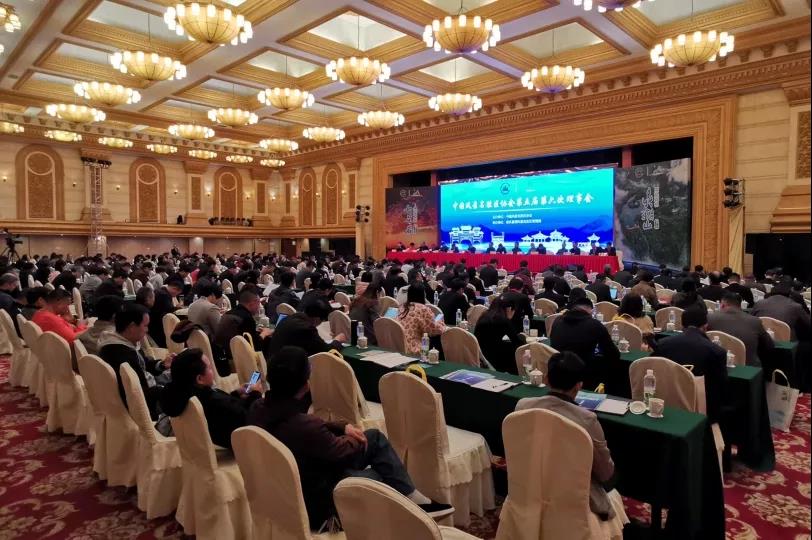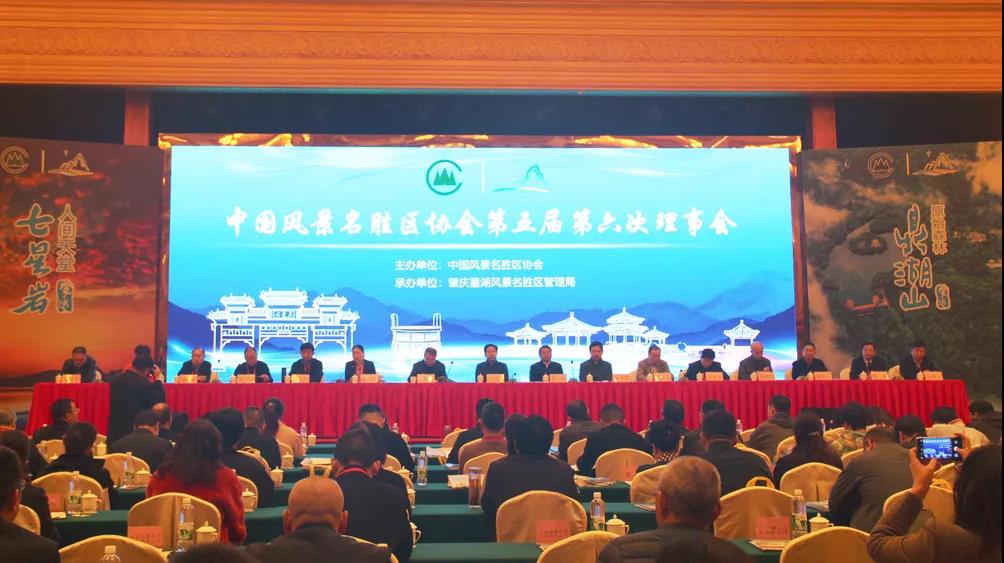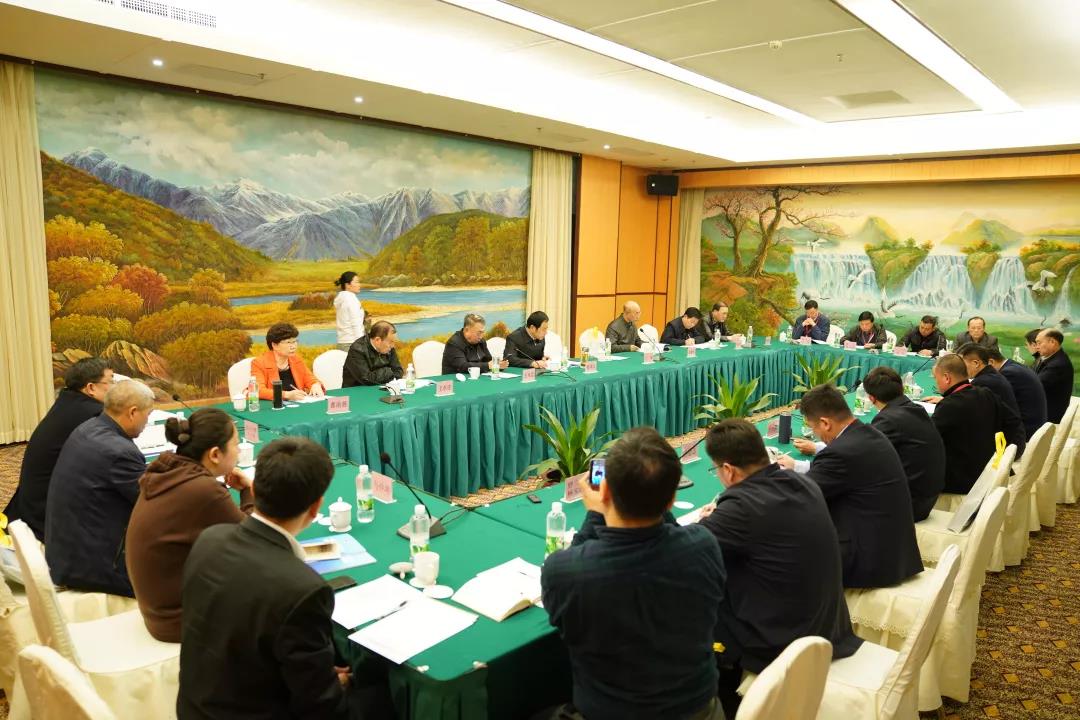


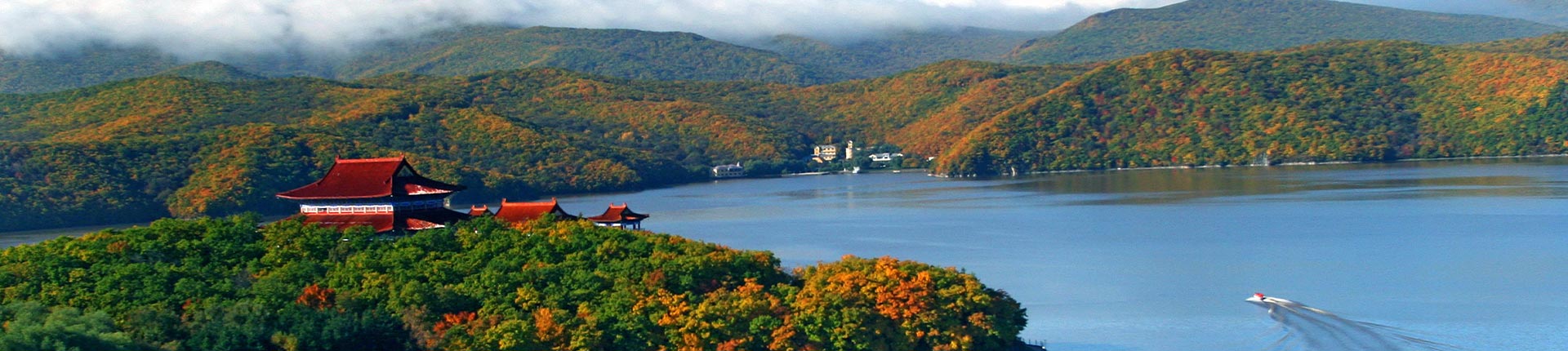
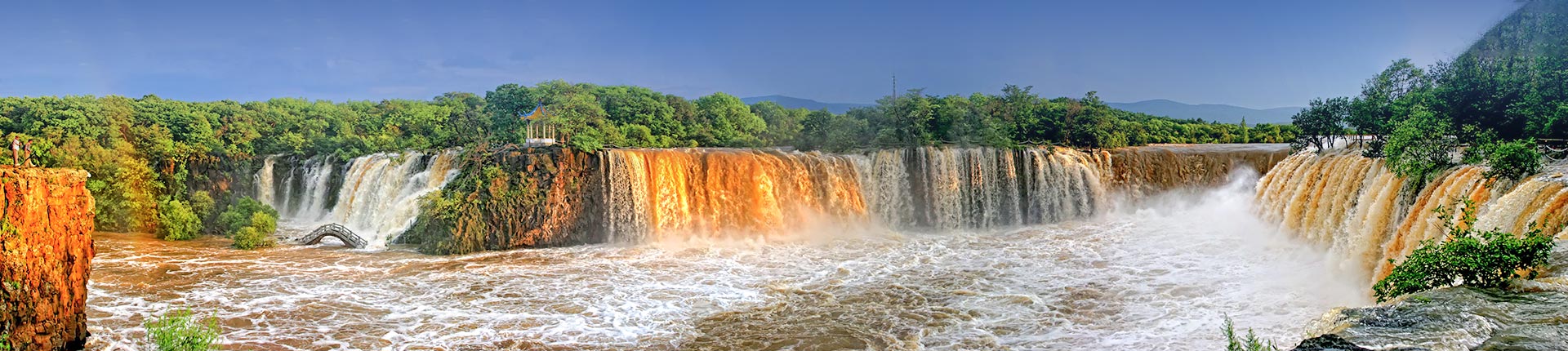
On December 11, 2019, the Fifth Sixth Council Meeting of the China Scenic Spots Association was held in Zhaoqing, Guangdong. During the meeting, the JingpohuLake Scenic Area was elected as a vice president unit of the China Scenic Spots Association.
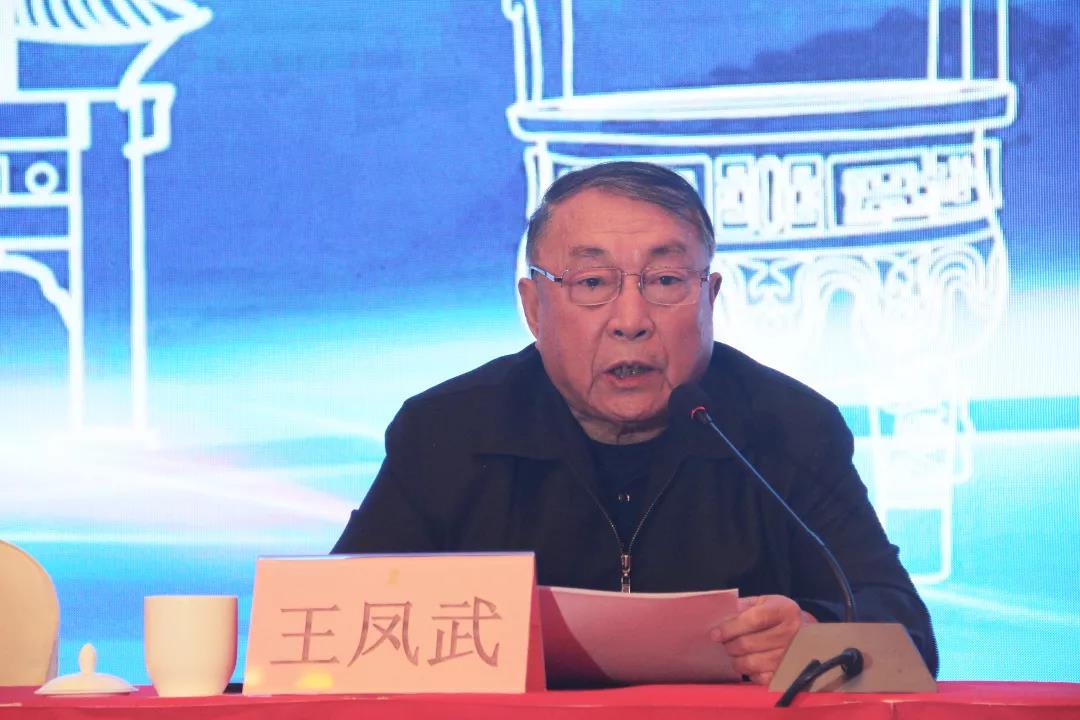
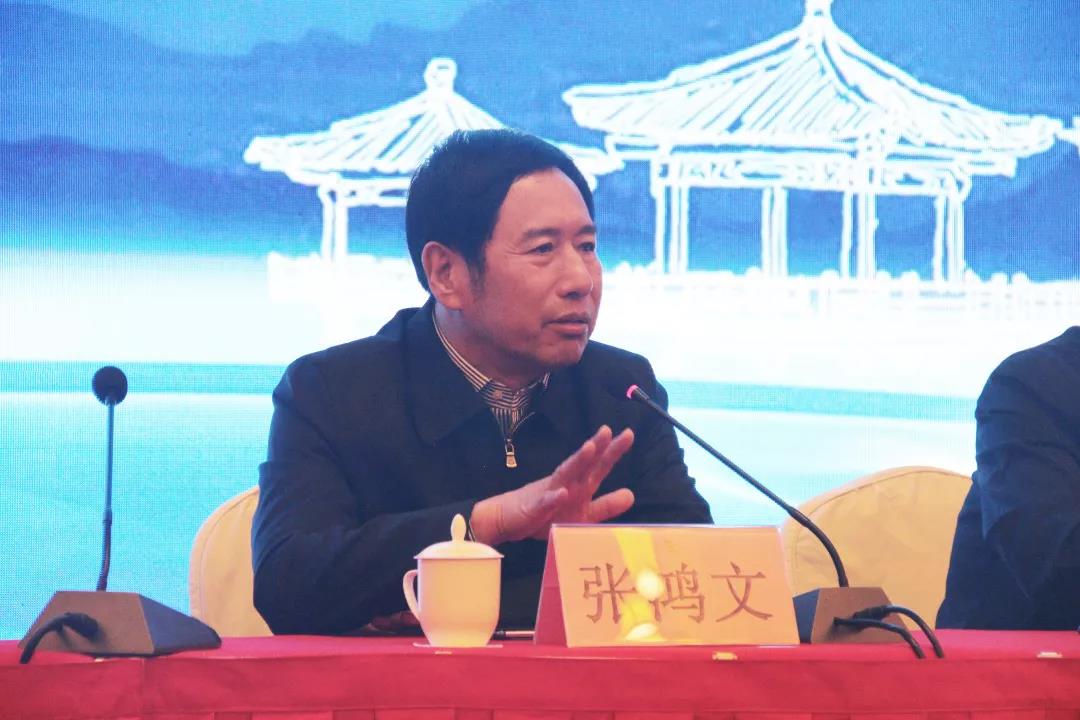
This conference focused on %% studying and implementing the "Guidelines on Establishing a Protected Areas System with National Parks as the Mainstay," as well as relevant State Council documents on the integration of cultural, health and wellness, sports, and information industries with scenic areas. It explored issues and countermeasures related to boundary adjustments, %% integration and optimization, and planning reforms for scenic areas. Discussions also covered scenic area management, the development of smart scenic areas, and in-depth deliberations on how scenic areas can carry out mergers, boundary adjustments, planning formulation, and approval under the framework of the protected areas system with national parks as the mainstay. %% Zhang Hongwen, Director of the National Park Management Office of the National Forestry and Grassland Administration; Yang Chao, Chief Economist of the National Forestry and Grassland Administration; Wu Xiaomou, Deputy Director of the Guangdong Provincial Forestry Bureau; Chen Xuanqun, Vice Mayor of Zhaoqing Municipal People's Government, %% Wang Fengwu, President of the China Scenic Areas Association, along with representatives from scenic area authorities, local scenic area associations, member scenic areas, and related organizations nationwide, attended the meeting.300 people attended the meeting. Integration, optimization, planning, and reform issues and countermeasures, researching scenic area management, smart scenic area construction, and other tasks. In-depth discussions were conducted on how scenic areas can carry out mergers, boundary adjustments, planning formulation, approval submissions, and other tasks under the natural protected area system with national parks as the main body, as well as the challenges and solutions faced in these processes.
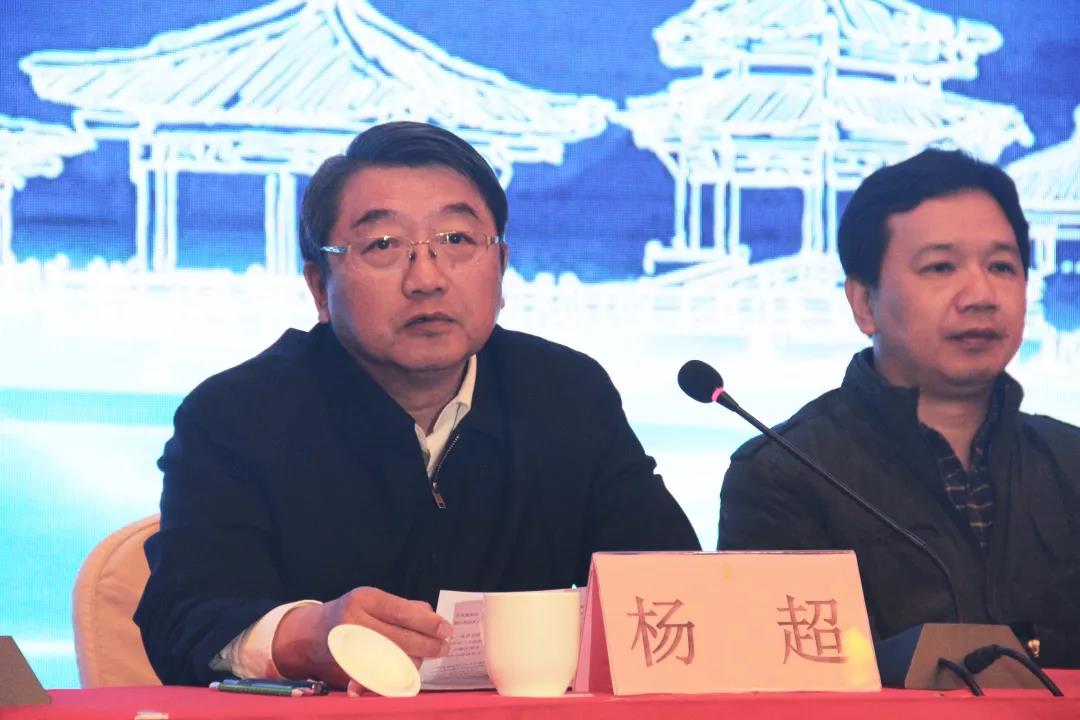
Zhang Hongwen, Director of the National Park Administration Office of the National Forestry and Grassland Administration; Yang Chao, Chief Economist of the National Forestry and Grassland Administration; Wu Xiaomou, Deputy Director of the Guangdong Provincial Forestry Bureau; Chen Xuanqun, Vice Mayor of Zhaoqing Municipal People's Government.Wang Fengwu, President of the China Scenic Areas Association, along with nearly 300 representatives from scenic area regulatory authorities across the country, local scenic area associations (societies), member scenic areas, and related organizations.300 people attended the meeting.
Yang Chao, Chief Economist of the National Forestry and Grassland Administration, delivered an important speech. He pointed out that the state places great emphasis on the work of natural protected areas. According to the issued documents, it is certain that scenic spots will be included in the ecological conservation redline, the control requirements for scenic spots have been largely determined, the principles for integrating and optimizing natural protected areas are basically clear, historical issues regarding natural protected areas are about to be resolved, and the procedures for integration and optimization have been largely defined. At this critical juncture of deepening the reform of natural protected areas, he offered suggestions for the work on scenic spots: earnestly study, deeply understand, and implement important documents such as the "Guidance on Coordinating the Delineation and Implementation of Three Control Lines in Territorial Spatial Planning," the "Notice on Launching Preliminary Work for the Overall Optimization of Protected Areas," and the "Specifications for Boundary Surveying and Marking of Nature Reserves and Other Natural Protected Areas"; thoroughly assess the current situation to have a clear understanding; plan future directions well to provide sound advice to local governments; and leverage the institutional characteristics of scenic spots to effectively organize and construct natural protected areas.