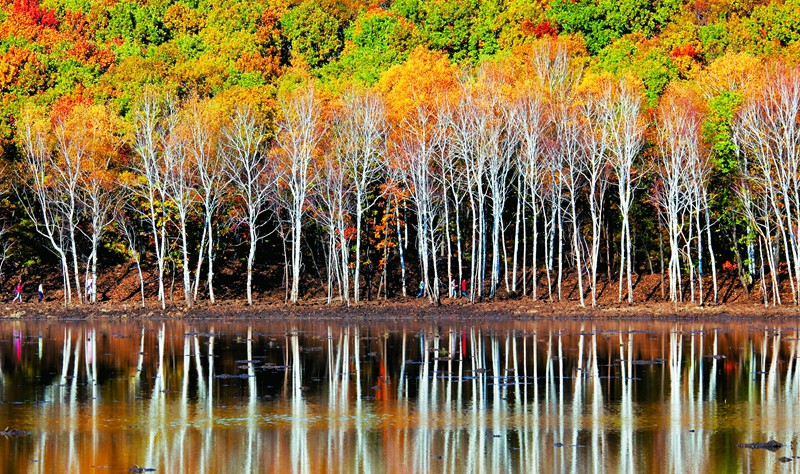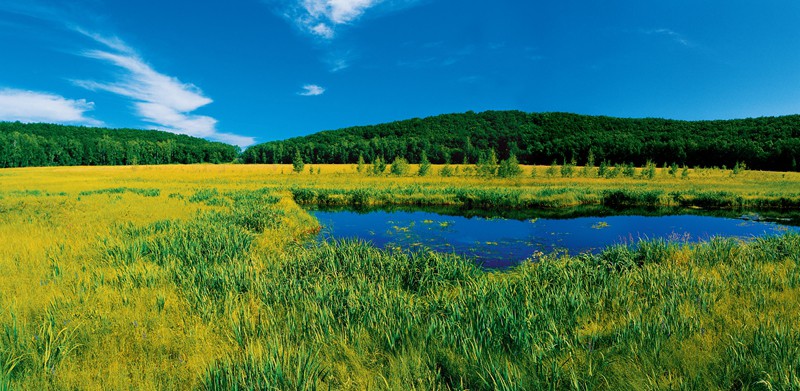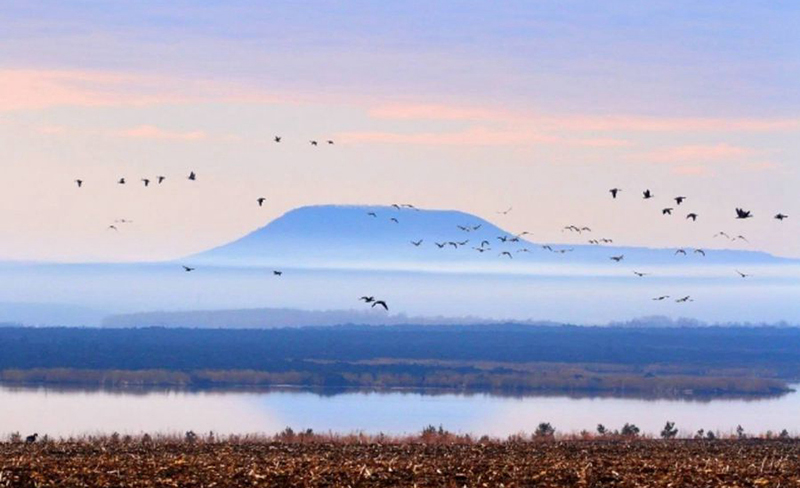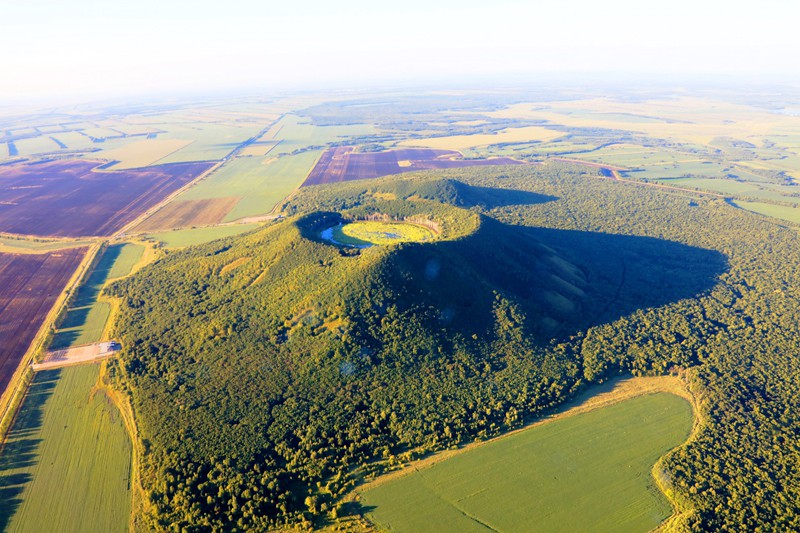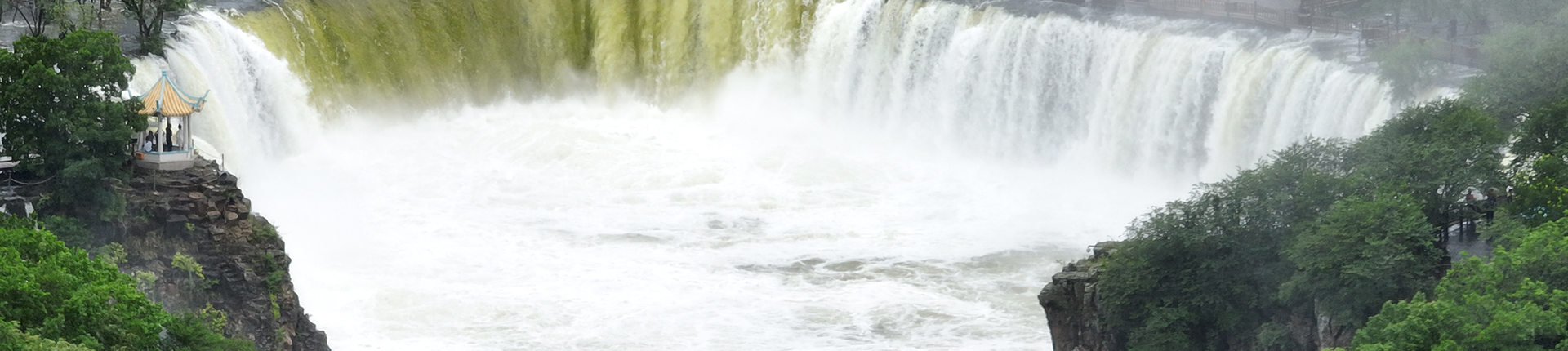
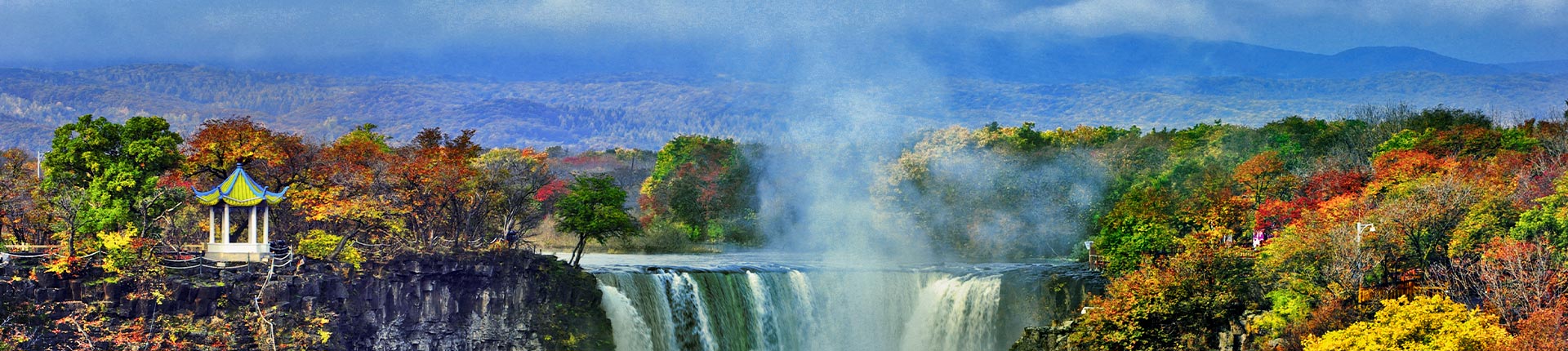
The Wudalianchi Global Geopark in China is located in the north-central part of Heilongjiang Province, at the transitional zone between the Xiaoxing'an Mountains and the Songnen Plain, covering a total area of 790.11 square kilometers. Its main geological relics include: 14 isolated cone-shaped volcanoes, 11 shield volcanoes, and 8 scoria cone volcanoes; across its 800-plus square kilometers of lava plateau, rivers and lakes are scattered like stars; numerous natural cold mineral springs emerge above ground, with its ferruginous silicic bicarbonate calcium-magnesium mineral water being renowned as one of the "World's Three Major Cold Springs" alongside France's Vichy Spring and Russia's North Caucasus Spring.
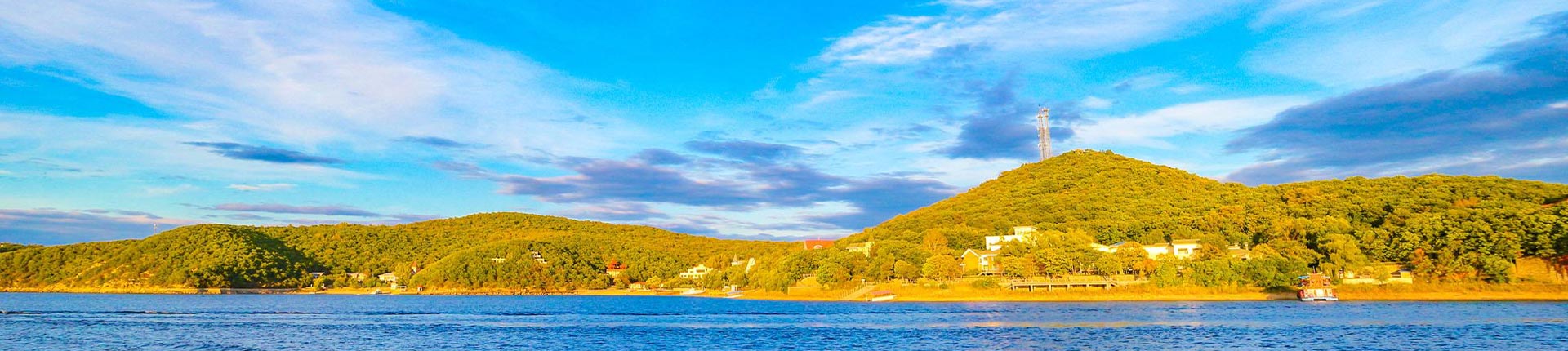
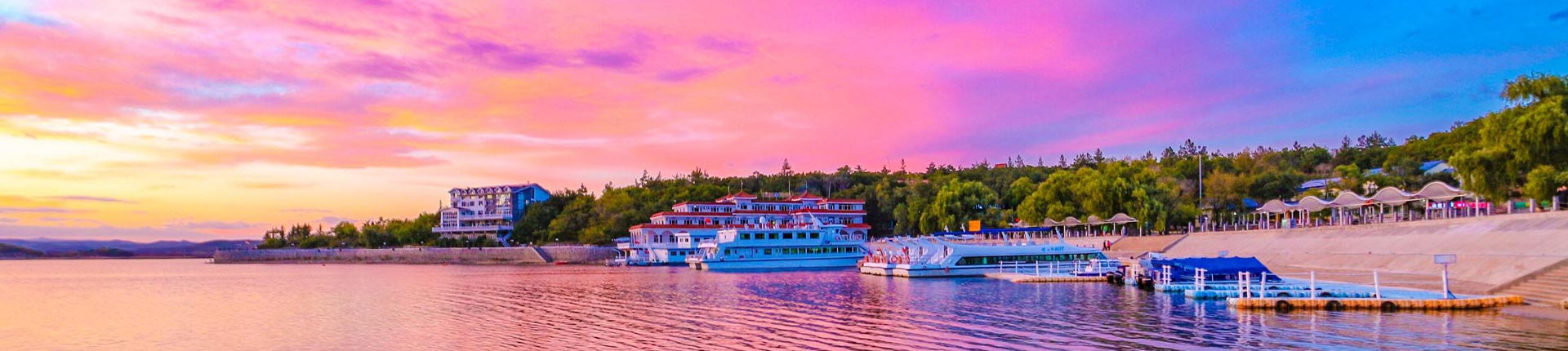
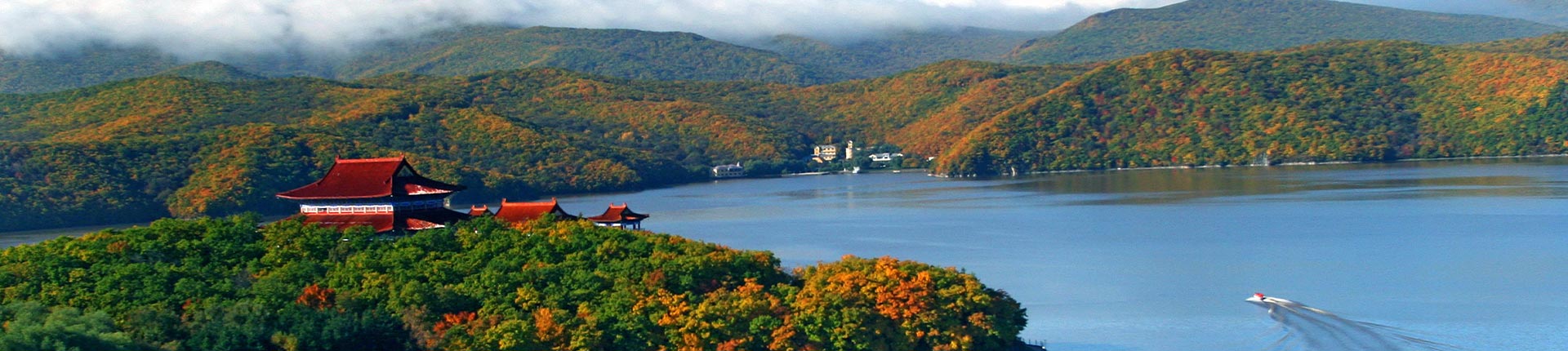
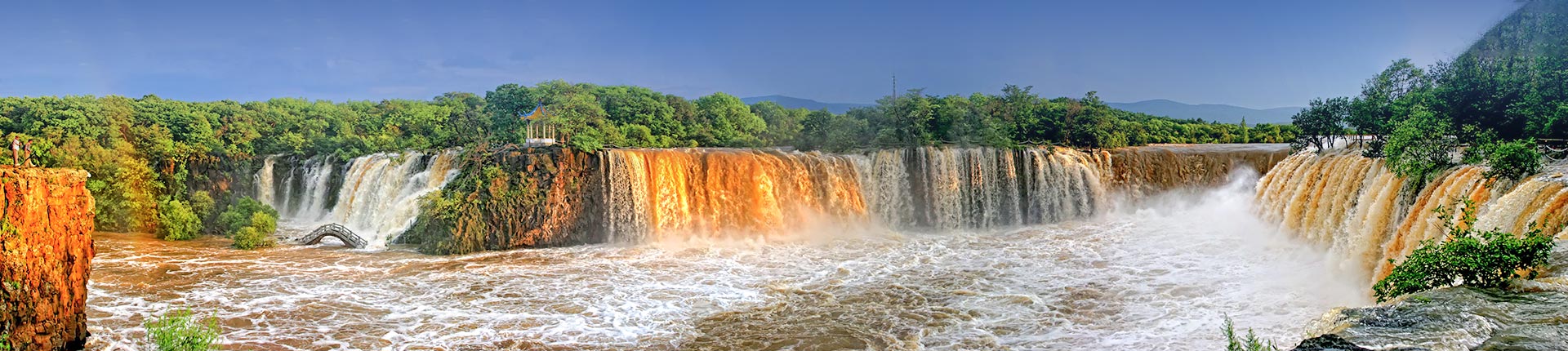
The park is home to 14 ancient and new volcanoes, featuring the world's most intact, concentrated, comprehensive, and typical geological landscapes of ancient and new volcanic formations, such as lava ridges, lava seas, lava waterfalls, lava tunnels, lava stalactites, elephant trunk lava, ropy lava, spatter cones, volcanic lapilli, and volcanic bombs. These micro-landforms are hailed by scientists as a "Natural Volcano Museum" and an "Open Volcano Textbook." Five interconnected lakes, resembling a string of beads, were formed when the latest volcanic lava filled the vast ancient depression basin lake, Udelinchi, hence the name Wudalianchi (Five Connected Lakes).
The Wudalianchi Volcanic Field is an outstanding example representing major stages of Earth's evolutionary history, including records of life, significant ongoing geological processes in landform development, and remarkable geomorphic or physiographic features. Located far from tectonic plate boundaries, Wudalianchi stands as one of the world's finest examples of intracontinental monogenetic volcanoes. Its formation relates to the uplift and extension of Northeast Asia's continental crust during the initial stages of continental rift formation. Classified as active volcanoes within the Smithsonian Institution's Global Volcanism Program database, the Wudalianchi volcanic cluster demonstrates ongoing geological evolutionary processes. Volcanic activity here began 2.1 million years ago, persisting through at least seven major eruptive cycles until present. The well-preserved volcanic deposits and landforms from the most recent eruptions of Laoheishan and Huoshaoshan (1719-21 AD) vividly showcase Earth's crustal formation processes.