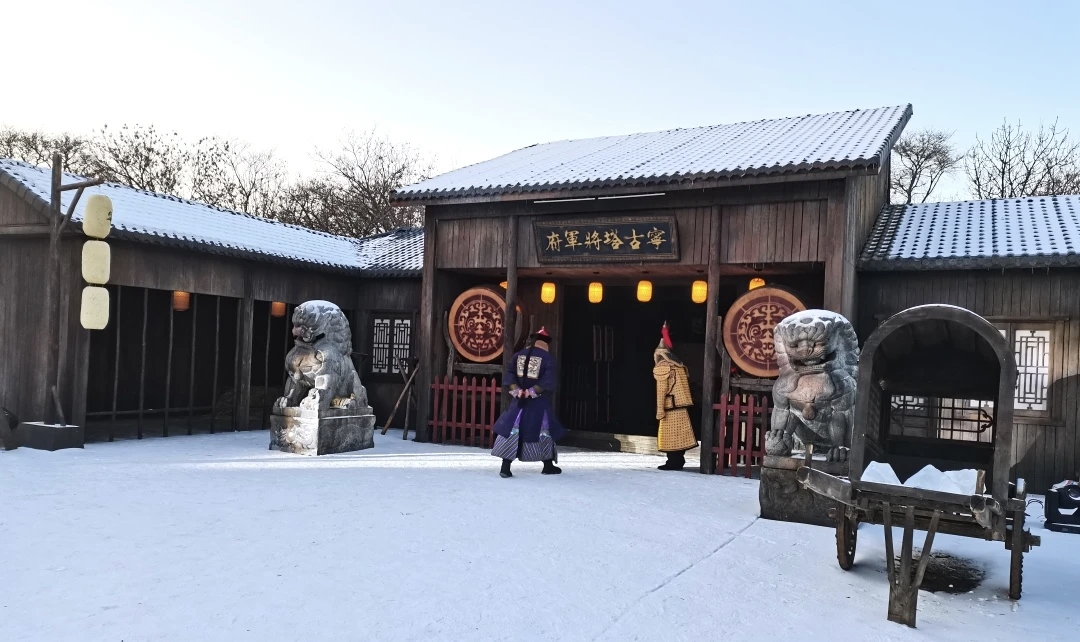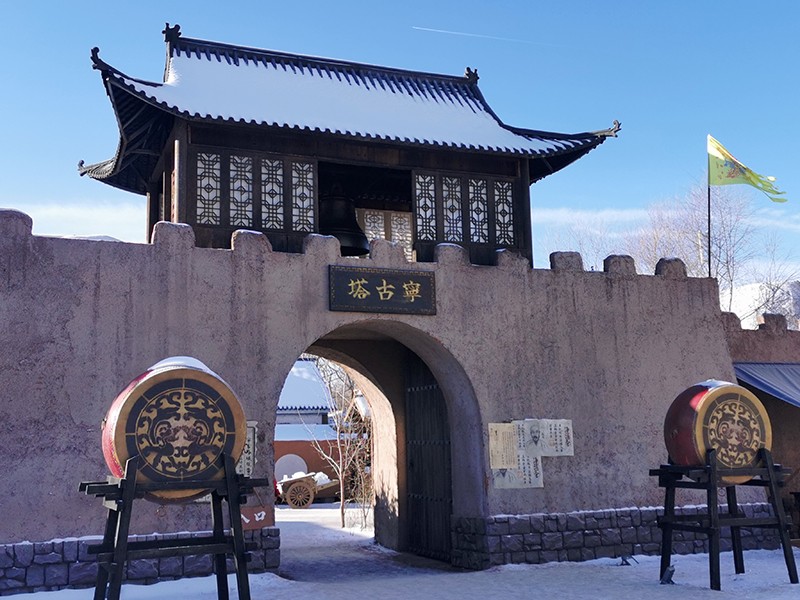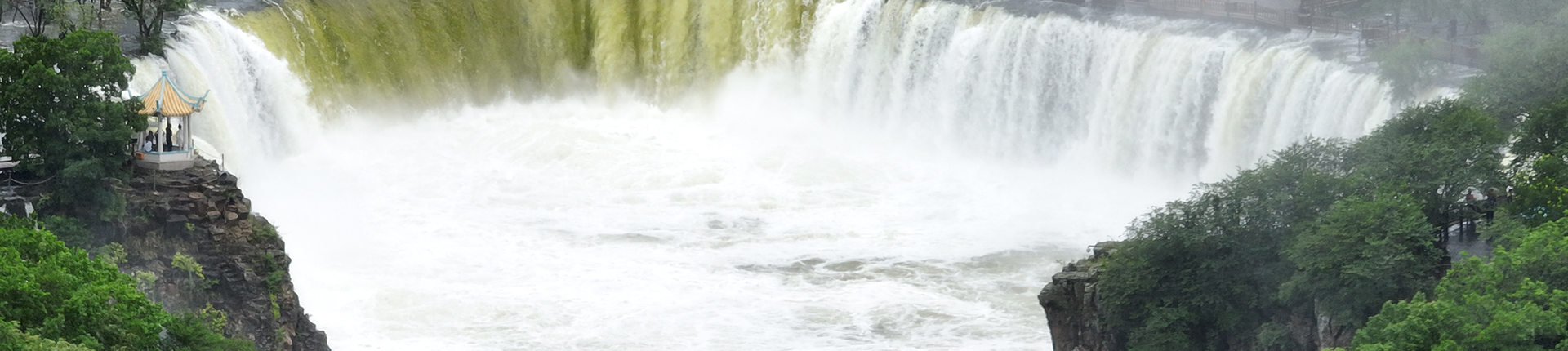
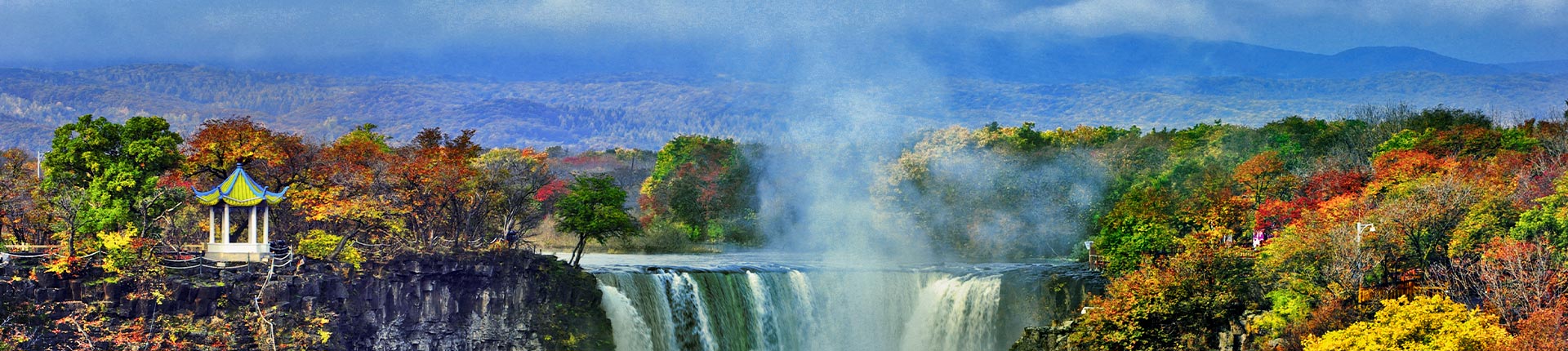
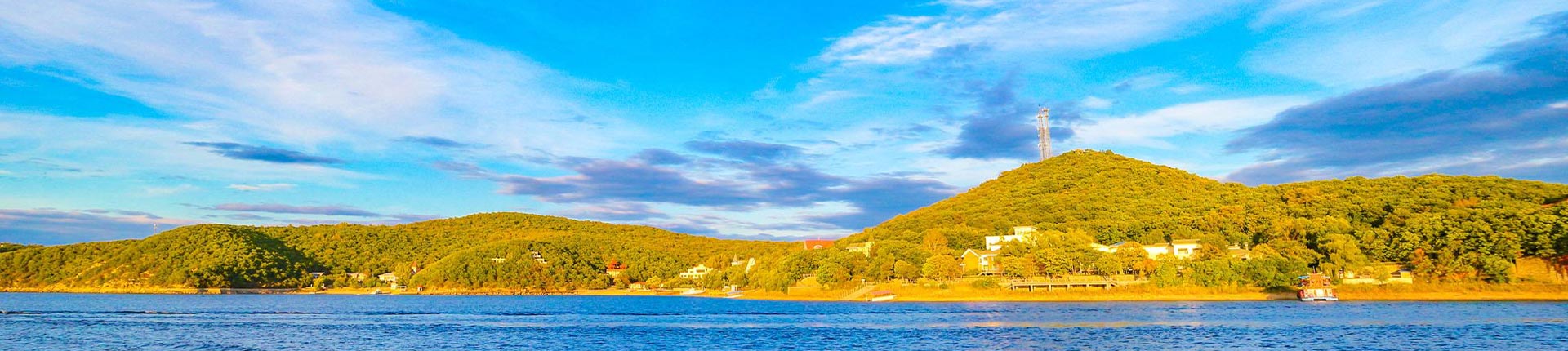
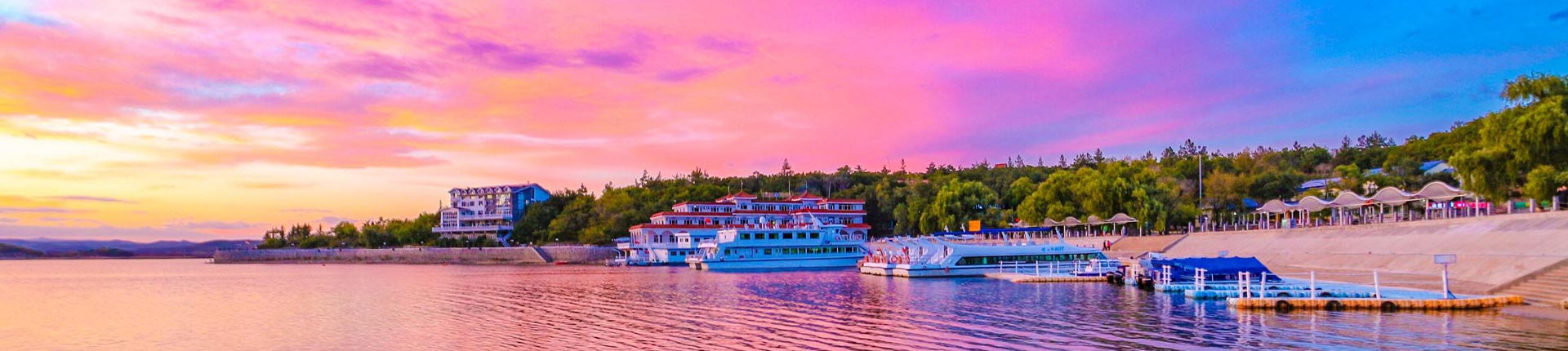
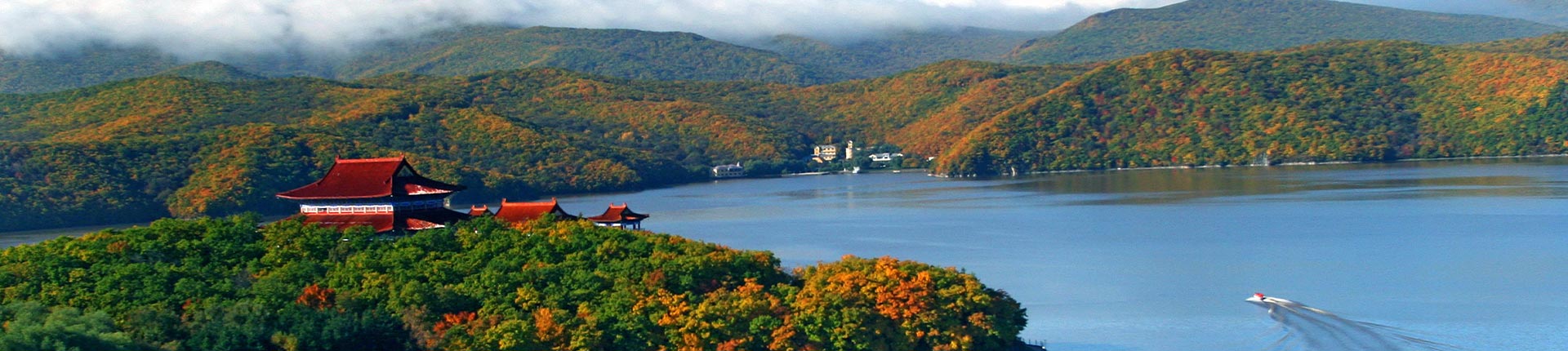
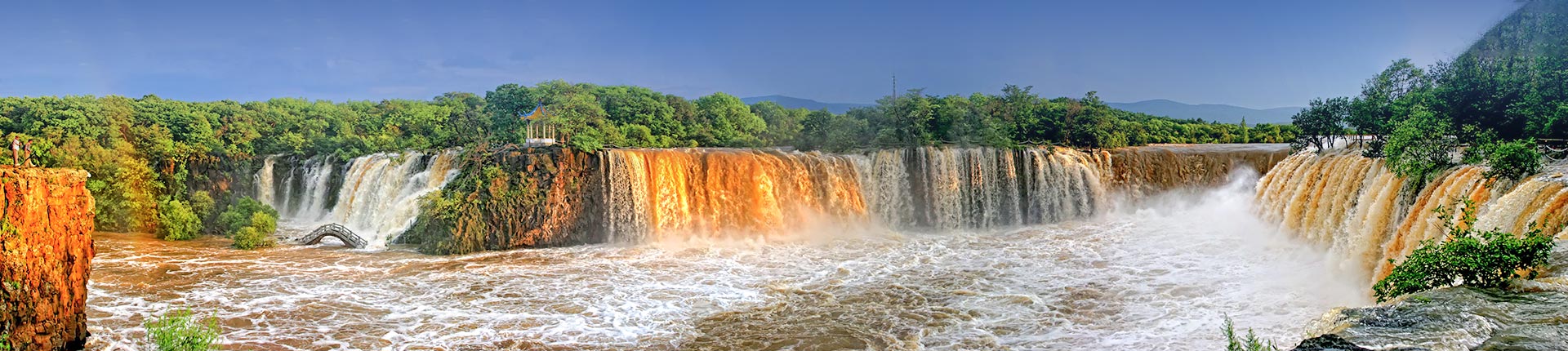
Ninggu Pagoda, which means "six residences" in Manchu, was an important military and political town on the northeastern frontier in the Qing Dynasty and one of the important birthplaces of the Manchu people. General Ning Guta was once stationed here, overseeing a vast territory, resisting foreign invasion, and guarding the border. In Qing palace dramas, it was a terrifying place of exile. From Shunzhi to Qianlong, countless literati and officials went here to set up schools and write books in the extremely cold place. They spread the cultural context of the Central Plains among the white mountains and black waters, leaving behind precious historical materials such as "Ninggu Pagoda Chronicles". What was once a windy and snowy border area is now lying quietly on the banks of the Mudanjiang River. The blue waves of jingpo Lake, the roar of Diaoshuilou Waterfall, and the depth of the underground forest are all accompanied by the historical relics of Ninggu Pagoda. The nature is magnificent and the context is profound. When you come to jingpo Lake, you not only want to see the mountains and rivers, but also understand the rich and legendary past of Ninggu Pagoda in this land.