

Activity Plan for the "Put Down Your Phone and Read for a While" Research and Study Summer Camp by the Mudanjiang Youth Reading Association
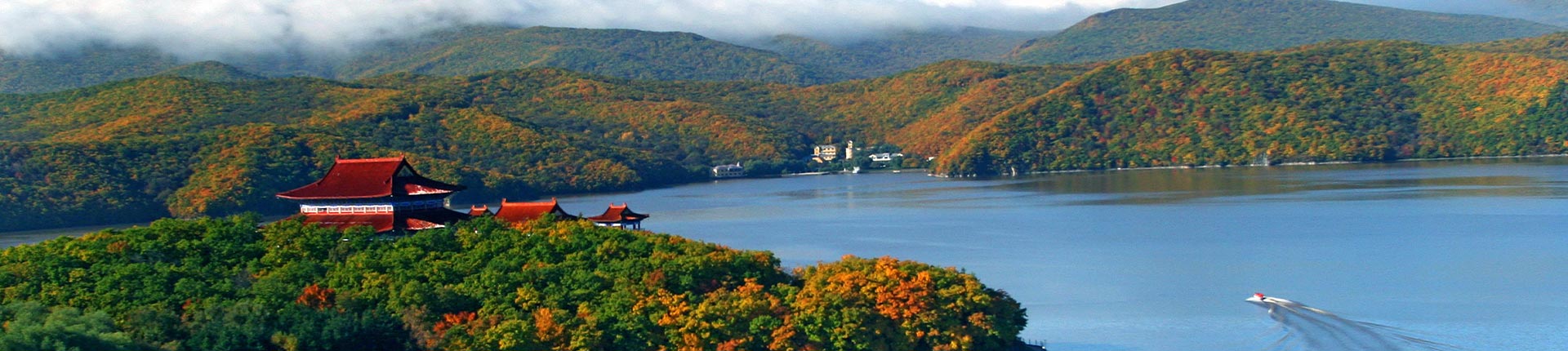
To implement the requirements outlined in the "Notice from the General Office of the Ministry of Education and the General Office of the Central Propaganda Department on Deepening the National Reading Campaign for Students," further promote the in-depth and practical development of the national reading initiative, and guide young people to reduce reliance on mobile phones and cultivate good reading habits, the Youth Reading Association will organize a "Put Down Your Phone and Read for a While" summer reading camp titled "Exploring the Treasures of Northern Frontier and Unlocking Historical Codes" in late July 2025. The camp will bring together young bookworms aged 7-12 to visit Mudanjiang's 5A scenic spots such as Jingpohu, the Bohai Shangjing Longquanfu Site, and Xuanwu Lake Agricultural Park. Through immersive reading sharing and hands-on experiences, students will experience the cultural charm of Longjiang while enhancing their reading skills and cultural literacy through practical activities.
1. Event Theme
Unveiling the Treasures of Northern Frontier, Decoding Historical Secrets
2.Event Duration
2025年7月
July 202530、30th31日31st-8月1日
- August 1st (3 days and 1 night)
3、Organizer
Publicity Department of Heilongjiang Provincial Committee
Department of Education (Education Working Committee of the Provincial Party Committee)
Xinhua News Agency Heilongjiang Branch
Publicity Department of the CPC Mudanjiang Municipal Committee
IV.Organizer
Mudanjiang Youth Reading Association
Mudanjiang Yinghua Children's Bookstore
5. Event Process
(I) Overall Arrangement
July 30: Whole Book Reading Day (Indoor Study Activity, Cultivating Reading Habits)
July 31st - August 1st: Outdoor Study Trip (Jingpohu, Bohai Shangjing Longquanfu, Xuanwu Lake Agricultural Park, etc.)
Objective:
Through a combination of in-depth reading and field study, understand the history of the Bohai Kingdom, the natural geography of Jingpohu, and Manchu culture. Enhance independence, foster team collaboration awareness, and reduce dependence on electronic devices.
Detailed Schedule and Content
Day 1 (July 30): Full-Book Reading Day
Theme: Journey into the Historical River of the Bohai Kingdom and Jingpohu
Location: Yinghua Children's Bookstore Research Learning厅Hall
Event Process:
1. Opening Ceremony (Ice-breaking games, explanation of research objectives).
II. Reading Sharing Session:
1. Read together the key chapters of "History of the Bohai Kingdom": the establishment of the Bohai Kingdom, the five-capital system, and the origin of the name Shangjing Longquan Prefecture.
2. Interactive Question: Why was the Bohai Kingdom referred to as the "Prosperous Kingdom East of the Sea"?
3. Reading Task: Draw a map of the five capitals of the Bohai Kingdom, marking the location of Longquan Prefecture.
4. Group students and distribute the study manual.
5. Discuss the formation of Jingpohu Lake and the evolution of its name (incorporating geological knowledge from the study manual).
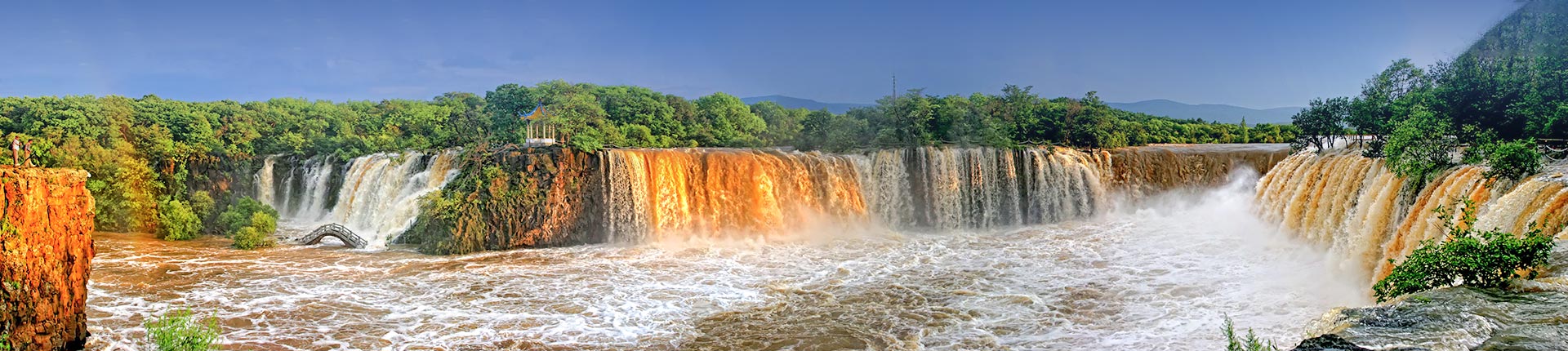
6. Reading Task: Role-play as "Little Tour Guides" to explain the Diaoshuilou Waterfall.
7. Evening task: Write reading notes and list the three most anticipated questions for tomorrow's study session.
Mobile phones are prohibited; books and notes will be uniformly provided by the camp.Note: Book List:
"Tales of the Bohai Kingdom" (Youth Edition, Heilongjiang People's Publishing House)
"The Legend of Jingpohu" (Local Culture Picture Book)
"Exploring the Natural Geography of the Northeast" (Popular science reading, chapter: Volcanoes and Barrier Lakes)
(To be determined: Can invite historians to lecture on "The Bohai Kingdom and Northeast Borderland Culture," linking it to the next day's study content.)
Day 2 (July 31): Jingpohu Lake Nature and Humanities Study Tour
Theme: A Walking Reading Class – Exploring the Treasures of Northern China
Locations: Jingpohu Lake Scenic Area, Diaoshuilou Waterfall, Shangguandi Village Homestay
Study Objectives:
Verify the descriptions of Jingpohu's geology and history from books.
Experience Manchu fishing and hunting culture, complete the independent living challenge.
Itinerary:
Morning (7:30-12:00)
Take a bus to Jingpohu Lake (review knowledge points from "Exploring Northeast China's Natural Geography" during the journey).
Field Study:
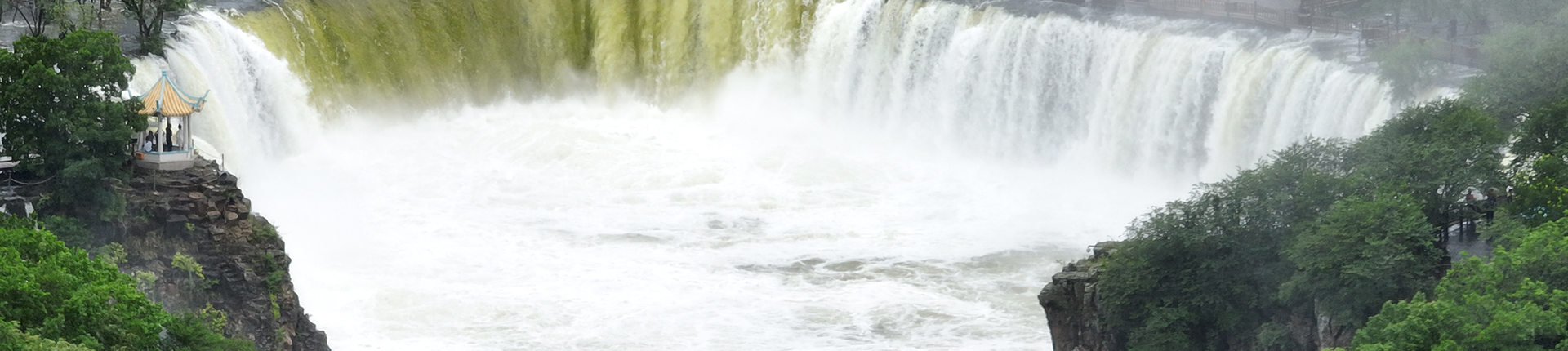
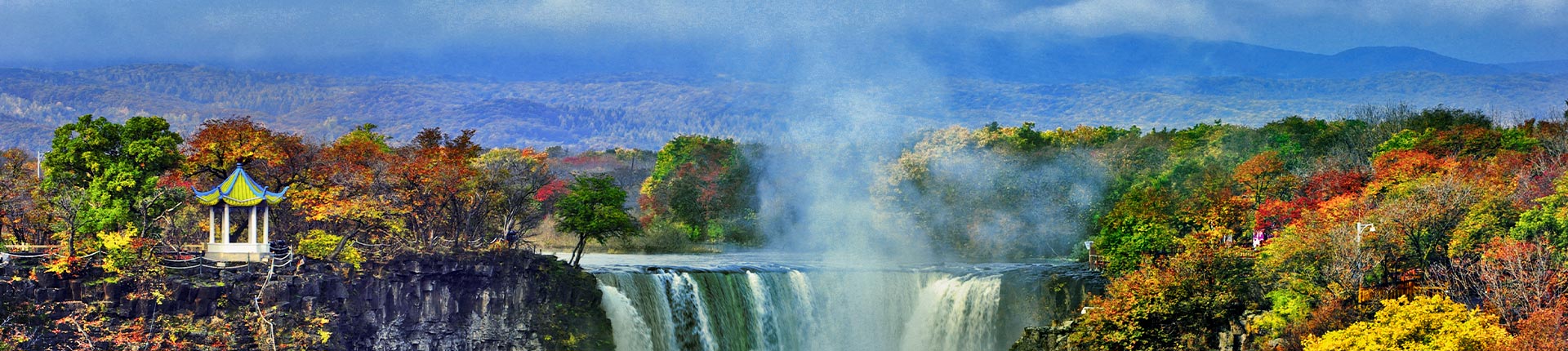
Diaoshuilou Waterfall: Observe the waterfall's drop (20 meters), width (70 meters), and record geological features.
The formation of Jingpohu's volcanic barrier lake (formed by volcanic activity 5,000 years ago), on-site identification of basalt
Volcanic lava tunnels: Explore the remnants of volcanic eruptions and compare the formation process of dammed lakes as described in the book.
Performance of a scene from the drama "Empresses in the Palace" (incorporating the history of exile in Ningguta).
Complete fill-in-the-blank exercises in the study manual, such as "Four Famous Dishes of Jingpohu" and "Birthplace of Ethnic Minorities."
Afternoon (13:30-18:00)
Exploration of Ningguta Exile Culture
Study the meaning of "Ninguta" in Manchu ("six"), and learn about the Qing dynasty's exile system and the stories of famous figures like Wu Zhaoquan.
Complete tasks in the manual such as "Symbol of Exile Land."
Bonfire party:
Day 3(8月1日):
Day 3 (August 1): Tracing the History of the Bohai Kingdom %% Take a bus to Xuanyuanhu Rice Field Park %% Evening (19:00-21:00) %% Share daytime experiences and recite "The Autumn Reed Collection" (poems written by Wu Zhaoqian during his exile in Ningguta). %% Independent Challenge: Pack your own luggage, wash up, and record your feelings on "The First Night Away from Parents."
Theme: Unlocking Historical Codes, Experiencing Cultural Fusion
Location: Site of the Longquan Prefecture in the Bohai Sea Capital,上京龙泉府博物馆、Shangjing Longquanfu Museum兴隆寺Xinglong Temple
Research Objective: Understand the cultural connections between the Bohai Kingdom and the Tang Dynasty, and decode the "Five Millennia" artifacts.
Itinerary:
Morning (8:00-12:00)
Ruins of Longquanfu, the Upper Capital of Bohai State and Museum:
Task: Compare the layout of the ruins with the map of Tang Dynasty's Chang'an City (reconstruction relationship), and search for evidence of the naming origin of "Longquan".
Group Competition: Combining the Names and Geographical Locations of the Five Capitals.
Xinglong Temple:
Focus on observing the "Five Millennia" cultural relics (stone Buddha, stone lantern pagoda, etc.), and record the legend of the tortoise pedestal (the sixth son of the dragon).
Afternoon (13:30-16:00)
Investigation in Shangguandi Village:
Interview villagers: Why is the entire village surnamed Shangguan? Is there any connection to the nobility of the Bohai Kingdom?
Rice field train + bamboo raft boat tour: Observe the growing environment of Xiangshui rice and consider the relationship between geographical conditions and local specialties.
Closing Ceremony:
Issue "Research Certificates", display reading notes and hand-drawn maps. Select "Best Narrator" and "Research Star".
6. Supporting Resources and Guarantees
Supplies: research manuals, emergency medicine, uniform T-shirts and caps.
Safety: 1 instructor + 1 volunteer for every 10 students, with full insurance coverage throughout
VII. Slogan:
"Put down your phone, pick up a book; explore Heilongjiang, understand China!"
Note: The activity strictly adheres to the "no mobile phone" principle, allowing only brief contact between participants and parents in the evening.