Mudanjiang Youth Reading Association "Put Down Your Phone and Read a Book" & "Exploring the Treasures of Northern Frontiers, Unlocking Historical Codes" Reading and Research Activity Schedule
第一天(7月30日)开营仪式 | |
开场 Opening 15:00-15:10
| 1. 开场语1. Opening Remarks 2. 介绍领导2. Introduction of Leaders 3. 发布研学内容(研学意义、研学路线)3. Publish study tour content (significance of study tours, study tour itineraries)
|
名家分享Celebrity Sharing Session 15:10-16:40
| 1.《“放下手机读会儿书”阅读分享》 黑龙江日报名编辑、要闻出版部副主任车轮 30分 2. 黑龙江少儿出版社 魏鑫编辑进行 “好书推荐”30分 3.《名家说渤海:遗址、古寺与湖泊中的千年故事》 宁安地域历史文化专家汪军 30分 |
阅读分享Reading Sharing 16:40-17:10
| 1. 共读研学手册资料1. Collaborative Study Guide Reading Materials 2. 分组讨论研学内容2. Group discussion on study content 3. 阅读分享:“我眼中的镜泊湖”3. Reading Sharing: "Mirror Lake in My Eyes" |
开营仪式Opening Ceremony 17:10-17:25
| 1. 研学要求1. Research Study Requirements 2. 团队建设:队名、队呼、队歌、队旗2. Team Building: Team Name, Team Slogan, Team Song, Team Flag 3. 团队展示3. Team Presentation 4. 授旗仪式4. Flag Presentation Ceremony 5. 集体宣誓5. Collective Oath |
合影留念Group Photo 17:25-17:30 | 合影留念Group Photo |
第二天(7月31日):解锁渤海国历史密码 | |
7:30-9:00 | 集合出发Gather and depart |
9:00-11:15 渤海上京龙泉府遗址、兴隆寺、博物馆Ruins of Shangjing Longquan Prefecture in Bohai, Xinglong Temple, Museum | 渤海上京龙泉府遗址(9:00-9:30) 1. 导游讲解内容1. Tour Guide Commentary Content (1)渤海国“海东盛国”的盛衰荣辱 (2)渤海上京龙泉府的基本概况(2) Basic Overview of Shangjing Longquan Prefecture in Balhae (3)“五京”名称由来(3) Origin of the Names of the "Five Capitals" (4)上京龙泉府被称为“龙泉府”的原因 (4) Reasons Why Shangjing Longquan Prefecture Was Called "Longquan Prefecture" 2. 学生研学问题2. Student Research Questions (1)渤海上京龙泉府仿哪里而建?(1) Where was Shangjing Longquan Prefecture of Balhae modeled after? (2)五京分别是什么? (3)龙泉寓意是什么? 兴隆寺(9:30-10:15) 1. 导游讲解内容1. Tour guide commentary content (1)兴隆寺基本概况及佛教文化 (2)五个千年“文物” 2.学生研学问题2. Issues in student research learning (1)五个千年都有什么? (2)千年龟趺是传说中龙生九子中的第几子? 3.研学任务(1) What are the three parts of the Shangjing city's administrative structure? 五个千年文物名称及由来Names and Origins of Five Millennium-Old Cultural Relics 渤海上京龙泉府博物馆(10:15-11:15) 1. 导游讲解内容1. Tour guide explanation content 系统介绍渤海国历史沿革与考古成果A Systematic Introduction to the Historical Evolution and Archaeological Achievements of the Bohai Kingdom 2. 学生研学问题2. Student research questions (1)上京城的建制分为哪三个部分? (2) 渤海国始建于公元多少年到公元多少年?被谁灭亡?先后历经多少世国王?存世多少年? 3. 研学任务3. Research Task 以小组为单位,对比唐代长安城布局和宫城遗址微缩景观找出相同点。 |
11:15-11:30 | 乘车去玄武湖Take a ride to Xuanwu Lake |
11:30-13:00 | 吃饭、安排住宿、午休Meal, Accommodation Arrangement, Noon Break |
13:00-14:00 | 午读:图书漂流Afternoon Reading: Book Crossing |
14:00-17:00 玄武湖农业公园Xuanwu Lake Agricultural Park 上官地村Shangguandi Village | 竹筏游船(14:00-15:00) 1. 欣赏玄武湖的秀丽风光1. Enjoy the beautiful scenery of Xuanwu Lake 2. 音频讲解内容2. Audio guide content 玄武湖的神秘由来及历史背景The mysterious origins and historical background of Xuanwu Lake 3.学生研学问题3. Student research study issues (1)玄武湖形成于什么时期?(1) When was Xuanwu Lake formed? (2)玄武湖特产是什么?(2) What are the specialty products of Xuanwu Lake? (3)玄武湖有哪些传统民俗传承?(3) What traditional folk customs are preserved in Xuanwu Lake? 稻田小火车(15:00-16:00) 1. 观察响水大米种植环境,思考地理条件与特产的关系 2. 学生采访第十四届全国人大代表陈雨佳2. Students interview Chen Yujia, a deputy to the 14th National People's Congress (1)为什么叫上官地村?(1) Why is it called Shangguandi Village? (2)上官地村是什么大米的原产地?(2) What type of rice originates from Shangguandi Village? (3)上官地村为什么会产出这么好的大米? 3. 陈雨佳讲解上官地村及东北特色大米3. Chen Yujia explains Shangguandi Village and the distinctive rice of Northeast China 学生实地自然生态观察(自由活动)(16:00-17:00) |
17:00-17:30 | 晚餐Dinner |
17:30-19:30 研学总结Research Study Summary | 1. 研学总结(完成研学手册) (17:30-18:00) 2. 研学分享 (18:00-18:50) 3. 暮省:研学收获 (18:50-19:10) 4. 温暖互动 (19:10-19:30)
|
19:30-20:30 | 篝火晚会 Bonfire Party
|
20:30-21:00 | 洗漱Washing Up
|
21:00 | 熄灯、就寝Lights out, bedtime.
|
第三天(8月1日):探秘镜泊瑰宝 | |
6:30 -7:00 | 起床、叠被、洗漱、整理物品Wake up, make the bed, wash up, and organize belongings |
7:00-7:15 | 晨练Morning exercise |
7:15-7:30 | 晨诵:少年中国说Morning recitation: The Young China |
7:30-8:00 | 早餐Breakfast |
8:00-8:30 | 乘车前往镜泊湖Travel to Jingpohu Lake by car |
8:30-9:00 | 整队、照相、进景区Line up, take photos, and enter the scenic area. |
9:00-11:00 宁古塔Ninguta | 宁古塔知识互动(9:00-9:40) 1.徐大鹏讲解内容:1. Content explained by Xu Dapeng: (1)“宁古塔”满语含义(“六个”) (2)清代流放制度及吴兆骞等名人事迹 2.研学问题2. Study questions (1)为什么宁古塔是流放之地的象征? (2)宁古和塔分别是什么意思? (3)宁古塔当地满族先民以什么为主? (4)哪些名人曾流放宁古塔? 4.研学任务4. Research Study Tasks 朗诵《秋笳集》(吴兆骞流放宁古塔所作诗歌)Recite "Qiū Jiā Collection" (Poetry by Wu Zhaoqian during his exile in Ningguta) 宁古塔流放文化探访Exploration of Ningguta Exile Culture 宁古塔开城仪式(9:40-10:00 ) 沉浸式体验宁古塔风云情景剧(10:00-10:20) 自由活动(10:20-11:00) |
11:00-11:30 | 乘车去午餐Travel to lunch |
11:30-12:30 | 午餐及午休Lunch and noon break |
12:30-13:00 | 乘车去吊水楼瀑布Take a ride to Diaoshuilou Waterfall |
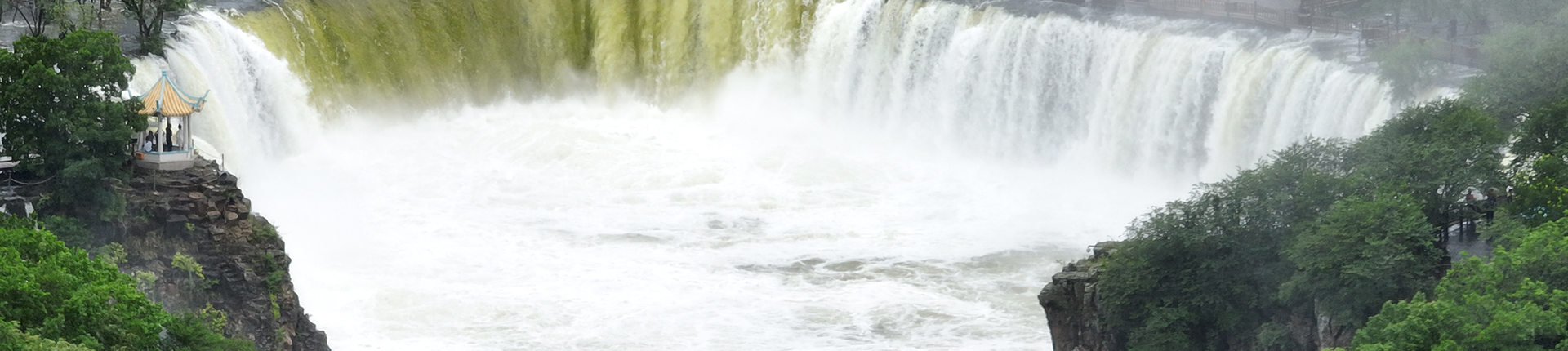
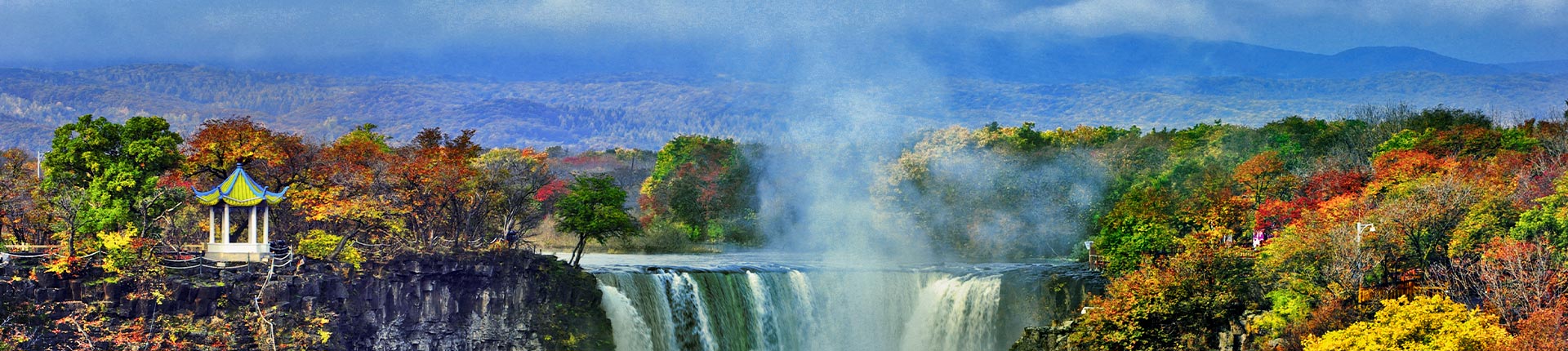
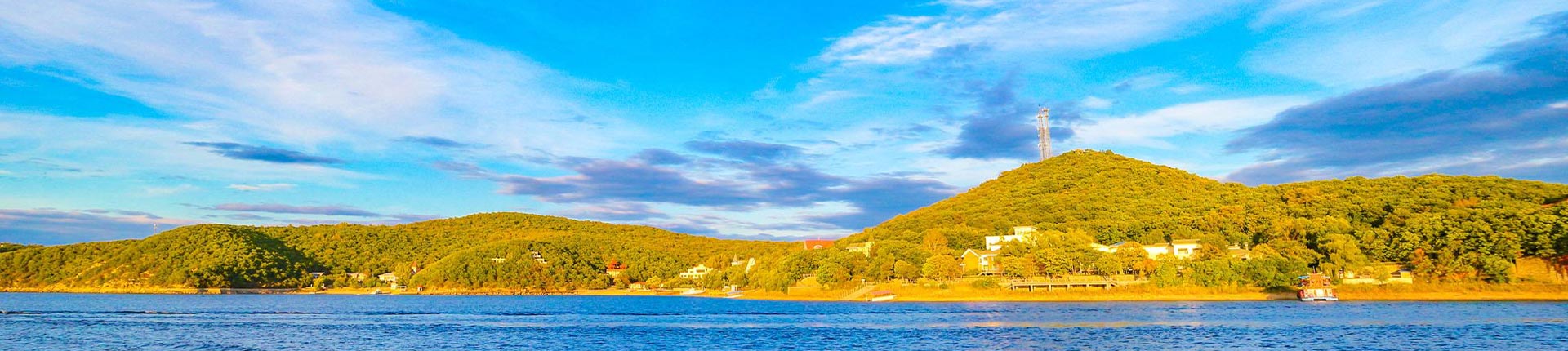
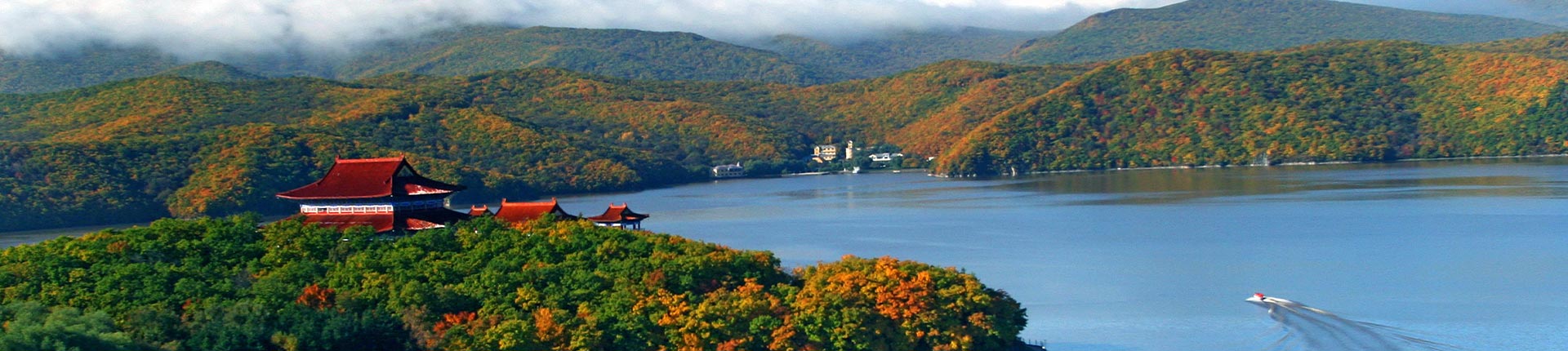
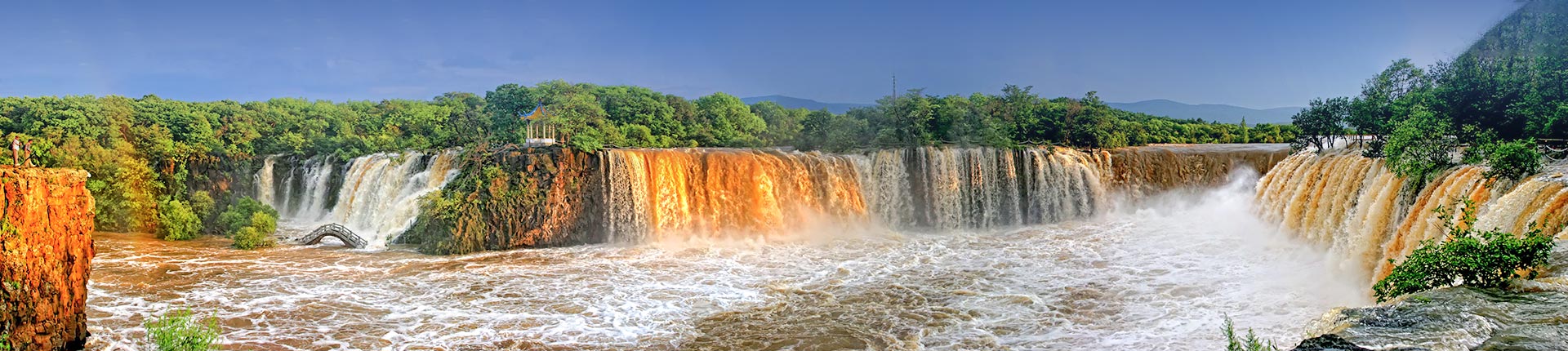
13:00-15:00 镜泊湖-吊水楼瀑布 | 导游讲解内容(13:00-13:30) 镜泊湖的由来、自然景观、人文历史背景The Origin, Natural Landscape, and Cultural Historical Background of Jingpohu Lake %% (1) What are the specialties of Jingpohu? %% (2) What are the four famous dishes? %% (3) Which ethnic minority group considers the Jingpohu Lake region one of their birthplaces? %% (4) What is the height and width of the Diaoshuilou Waterfall?
研学问题Research problem (1)镜泊湖的特产有什么? (2)四大名菜有什么? (3)镜泊湖地区是哪个少数民族的发祥地之一? (4)吊水楼瀑布落差多少,宽多少米? 镜泊小小解说员讲“我眼中的镜泊湖”(13:30-14:00) 观看飞人跳水表演(14:00-14:10) 研学任务(14:10-15:00) 观察吊水楼瀑布落差、镜泊湖火山堰塞湖的形成、实地辨识玄武岩 |
15:00-16:30 结营仪式Closing ceremony
| 1. 完成研学手册、分享收获 2. 颁发“研学证书”、“最佳解说员”、”优秀团队” 3. 研学总结3. Research Summary 4. 合影留念4. Group Photo |
16:30-18:00 | 返程Return trip
|