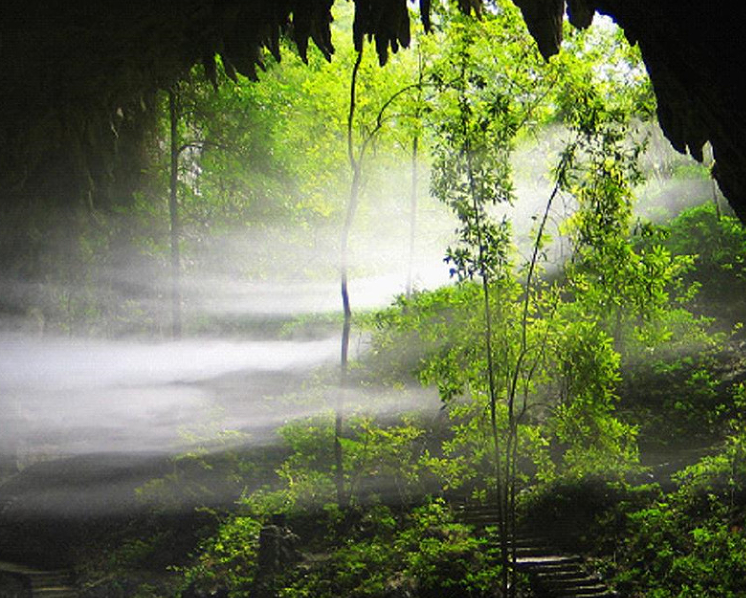
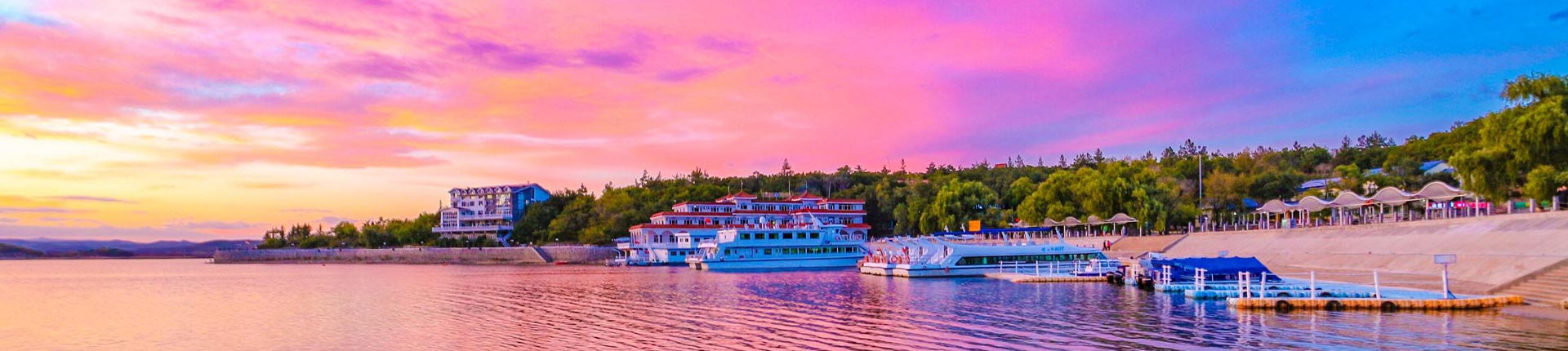
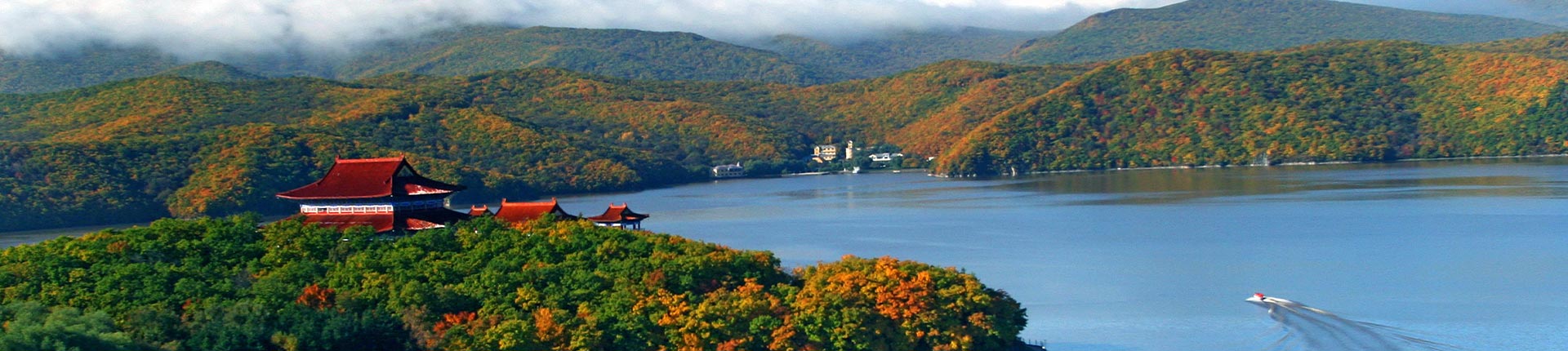
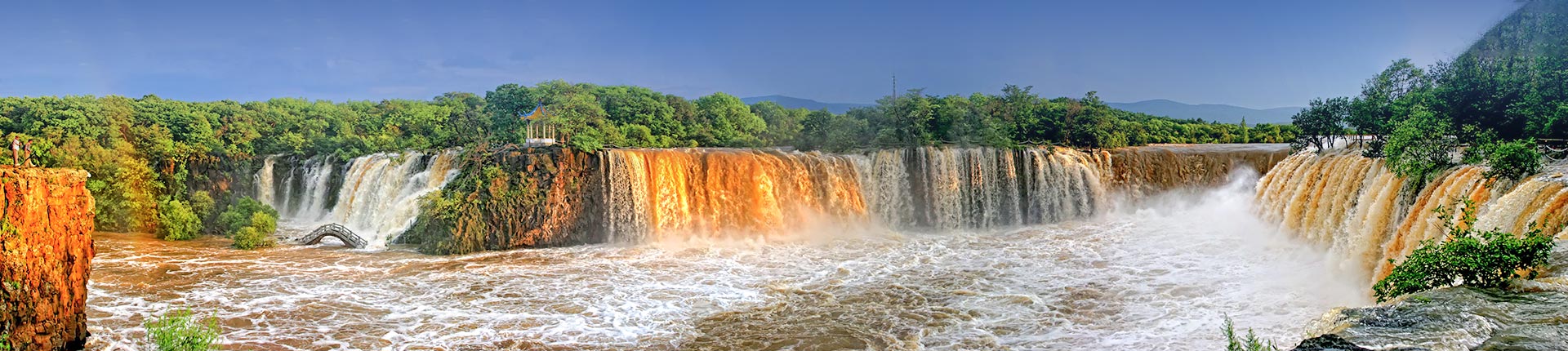
The Leye-Fengshan UNESCO Global Geopark is located on the transitional slope between the Yunnan-Guizhou Plateau and the Guangxi Basin in China. It comprises the adjacent Leye Dashiwu National Geopark and Fengshan Karst National Geopark, featuring eight major scenic areas and two geological museums. These include the Huangjing Tiankeng Scenic Area, Dashiwu Tiankeng Scenic Area, Chuandong Tiankeng Scenic Area, Luomei Cave Scenic Area, Buliujiang River Scenic Area, Yuanyang Spring Scenic Area, Sanmenhai Scenic Area, Jiangzhou Corridor Scenic Area, as well as the Chuanlongyan Comprehensive Geological Museum and the Leye Tiankeng Museum. The total area covers 930 square kilometers.
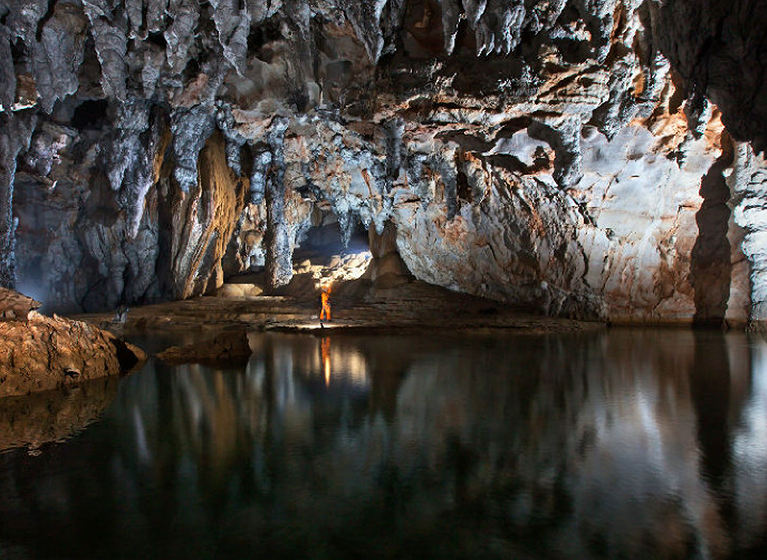
The Leye-Fengshan Geopark features a typical blocky karst area with two major underground river systems, creating a mature peak cluster landscape. It boasts the world's largest Leye Dashiwei Tiankeng (giant sinkhole) group, the most concentrated Fengshan cave halls and skylight clusters, the natural bridge with the largest span, typical cave sediments, and the most complete skull fossil of the early Ailuropoda microta (dwarf panda). The unique tiankeng ecosystem preserves rich biodiversity, including tiankeng plant communities, the Buliu River valley forest community, China's "Orchid Hometown," and cave-dwelling animal communities. These resources hold significant scientific research value and exceptional aesthetic appeal. Additionally, the unique geological setting provides a favorable living environment for local communities, while the fusion of multiple ethnic groups has left behind distinctive minority folk cultures. This makes the area ideal for geological heritage conservation and tourism development.