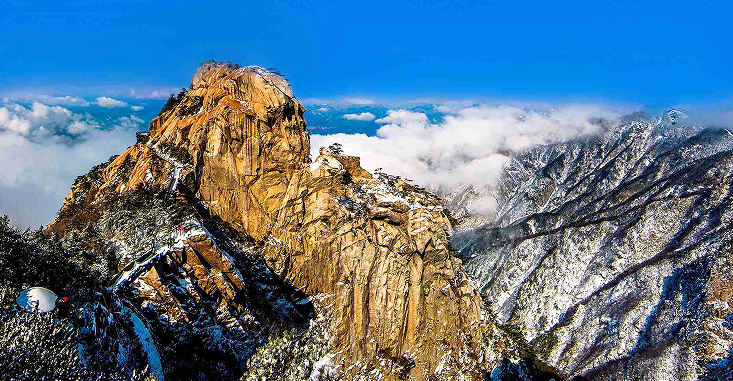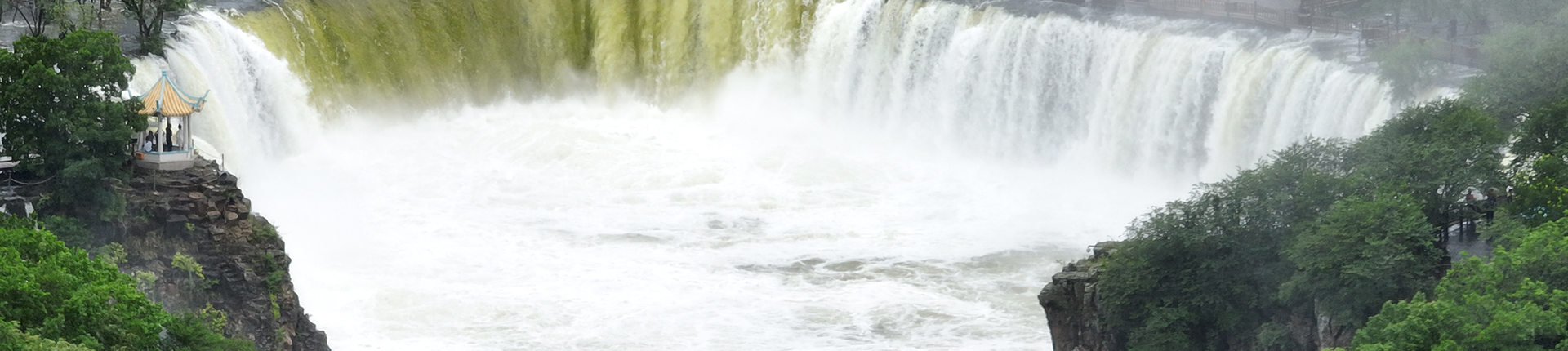
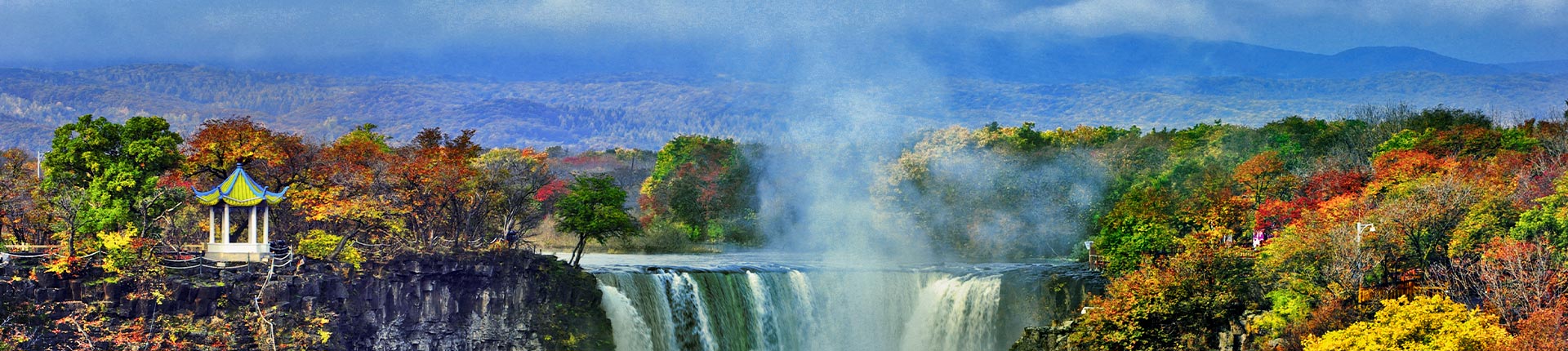
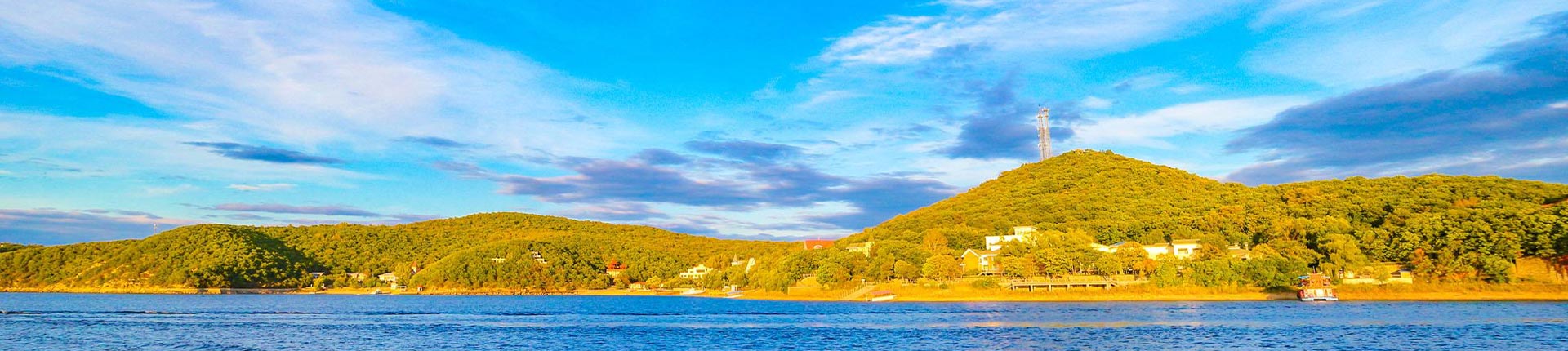
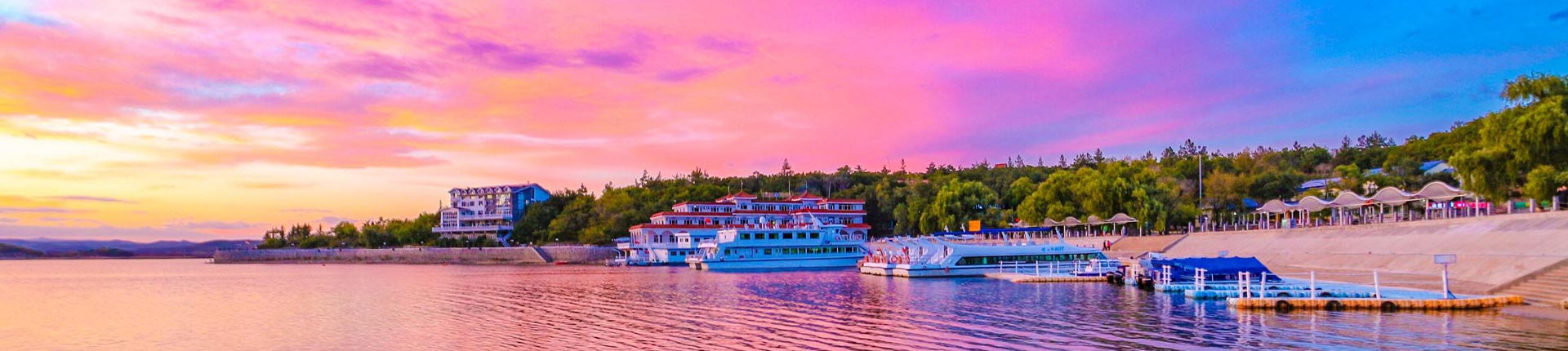
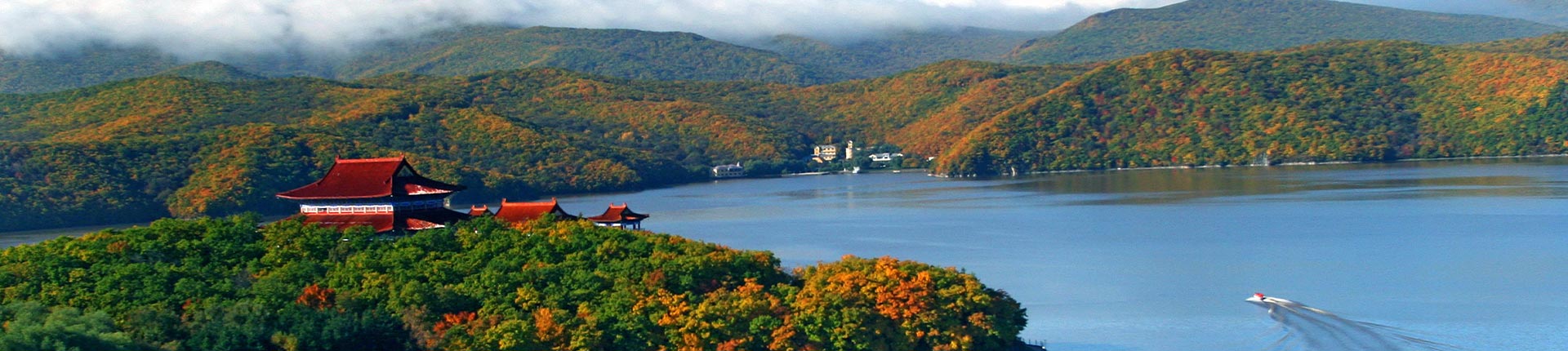
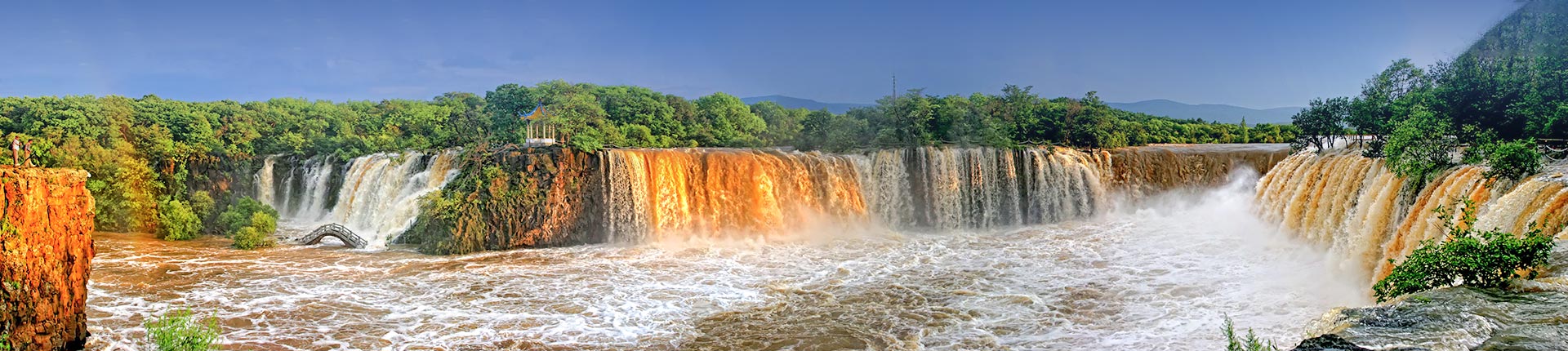
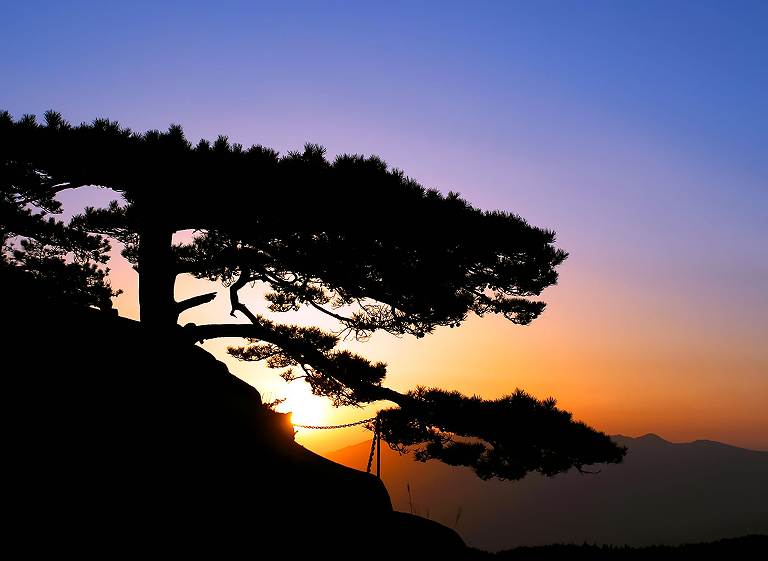
Located in Huanggang City, northeastern Hubei Province, at the southern foot of the Dabie Mountains and on the northern bank of the middle reaches of the Yangtze River, the park covers a total area of 2,625.54 square kilometers. As an important component of China's central mountain system geological-geographical-ecological-climatic divide, Huanggang Dabieshan UNESCO Global Geopark preserves multiple phases of metamorphic deformation from the Archean Eon onwards, along with rich geological relics of magmatic activity that hold global comparative significance. It integrates "peaks, forests, pools, and waterfalls" in one location, combining religious culture, folk customs, and historical heritage. With its rolling verdant mountains, misty seas of clouds, vast forest expanses, and birdsong amid fragrant flowers, it features a continental orogenic belt structure-granite mountain landscape. Characterized by the typicality, integrity, systematicity, rarity, and aesthetic beauty of its geological relics, it serves as a natural laboratory for geoscientific research and a base for orogenic belt studies, offering excellent ecological conditions, profound historical culture, and exceptional value for science education as a protected natural area.
The park boasts a wealth of geological relics with special significance, which can be divided into the following four categories: 1. **Typical Geological Section Relics** – Represented by regional standard metamorphic stratigraphic sections, typical intermediate-acid intrusive rock bodies (sections), high-pressure and ultra-high-pressure metamorphic belt sections, and typical sedimentary facies sections such as the Cretaceous red beds. 2. **Tectonic Landscape Relics** – Including regional (large-scale) structural geological relics typified by shear zone landscapes, as well as medium- and small-scale structural relics such as folds, faults, and joints. 3. **Geomorphological Landscape Relics** – Characterized by Yanshanian granitic landforms, mainly featuring alpine peaks, deep valleys, and fluvial erosion landforms. 4. **Water Body Landscape Relics** – Comprising lake landscapes, waterfall landscapes, spring landscapes, scenic river sections, and other hydrological features.