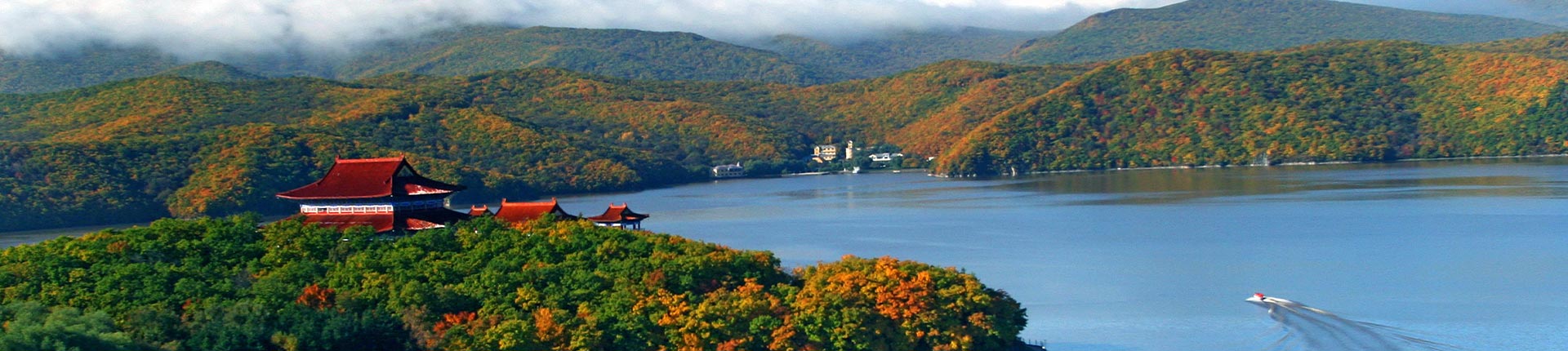
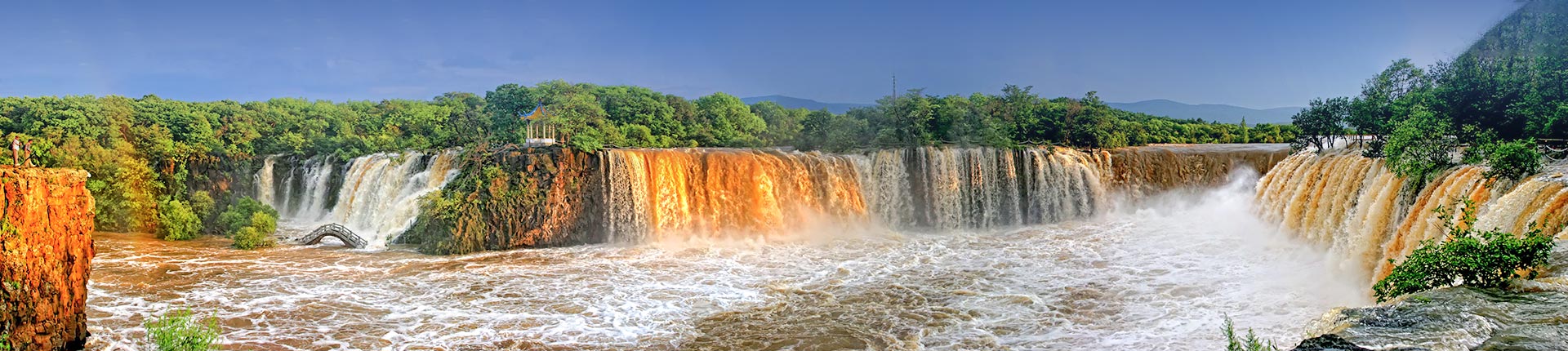
Amidst the lush foliage, life quietly stirs.
Beneath the volcanic crater, the underground forest subtly awakens with spring's touch. Among the ancient lava walls shaped by hundreds of millions of years of geological transformation, cold-resistant pines and cypresses sprout fresh green needles, low shrubs push forth tender buds, and moss carpets the damp stone surfaces in vibrant emerald. Sunlight filters through the dense canopy, casting dappled patterns while birds sing crisply overhead and streams murmur over volcanic rocks, carrying the mineral-rich essence unique to this terrain. Every inch of greenery here whispers tales of life's tenacity upon volcanic landscapes. The spring forest appears even more serene and profound, concealing undiscovered ecological wonders within its depths.
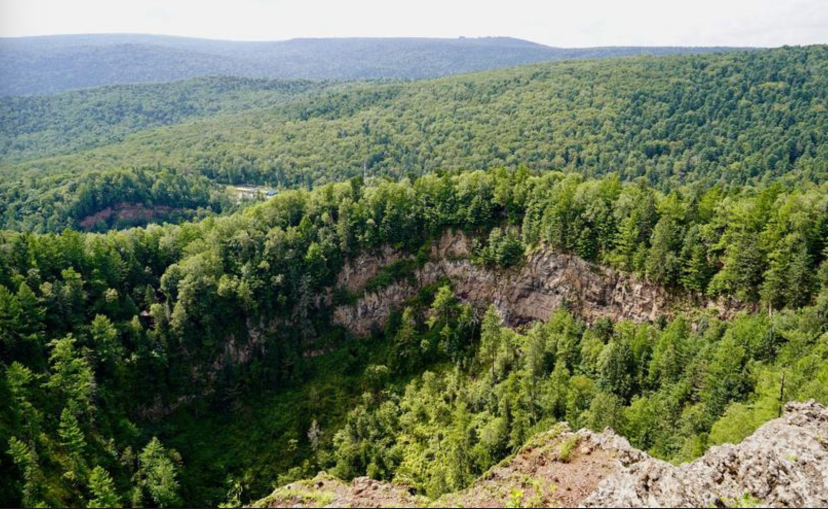
The mysterious crater naturally formed a group of lava caves (ancient ice cave, ice cave, fairy cave, fog cave): the essence of underground lava tunnels, with the ice cave's elliptical entrance maintaining a year-round low temperature; the fairy cave stands 6 meters high and 12 meters wide, connecting to the crater; the fog cave is often shrouded in cold mist, featuring unique geological formations like lava waterfalls, lava ropes, and lava flowers inside. Entering the cave in summer offers a refreshing coolness, representing a three-dimensional extension of volcanic landforms.
Crater: The Divine Sheep's Green Robe Adds Mystery
In spring, the Divine Sheep Cave lacks the bustle of midsummer and the harshness of deep winter. Amid the transition of lingering snow and fresh greenery, and the interplay of ancient rocks and soft light, it conceals the grandeur of the volcano and the gentleness of spring within every stone crevice and breeze, quietly awaiting visitors to unravel the unique serenity and wonder of a northern spring. Caressed by the spring breeze, the Divine Sheep Cave dons a green robe, enhancing its mysterious aura.
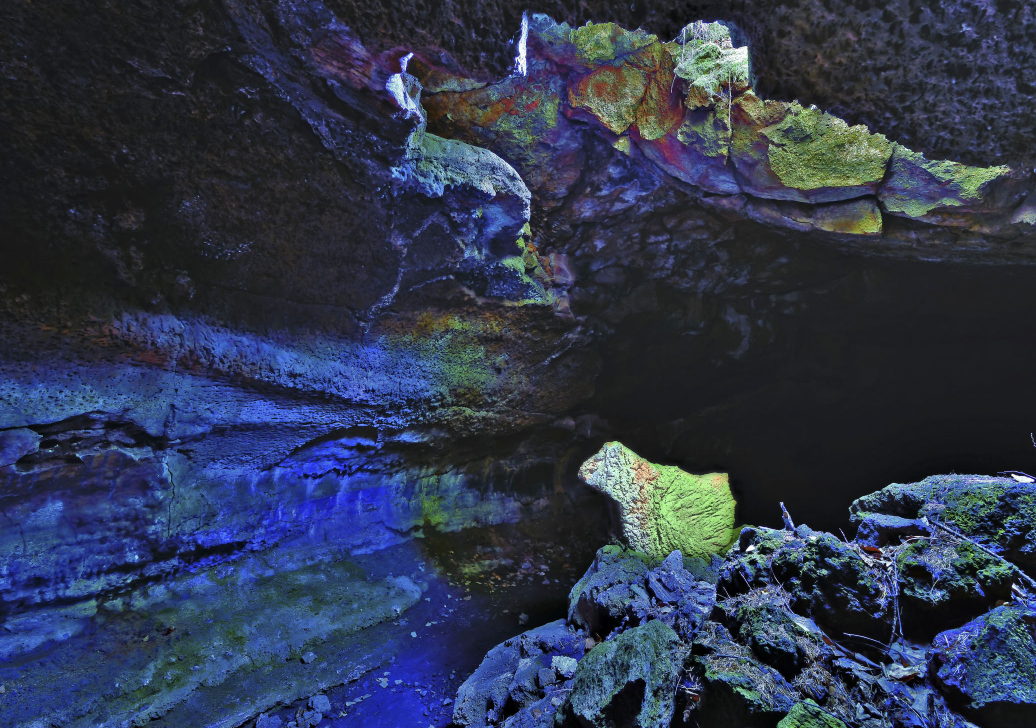
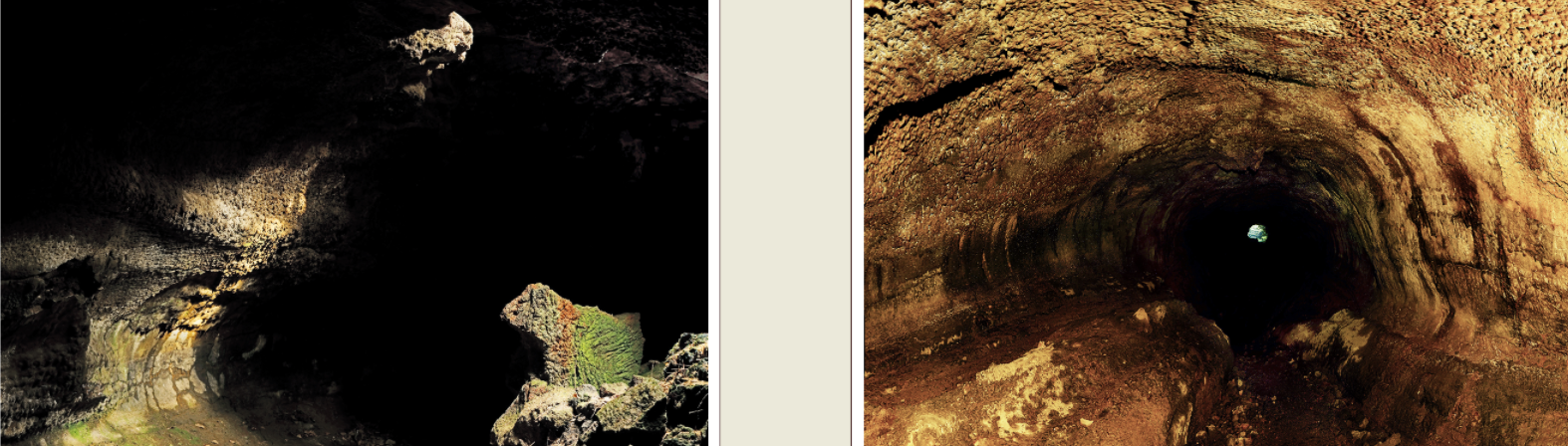
Shenyang Cave
Volcanic Crater: The misty cave in spring, tranquil and profound.
The spring of the Misty Cave is a tender dialogue between cold and warmth, stillness and motion, antiquity and the present — it hides in the folds of the volcano, guarding this land's most primitive geological memories with its year-round lingering mist.
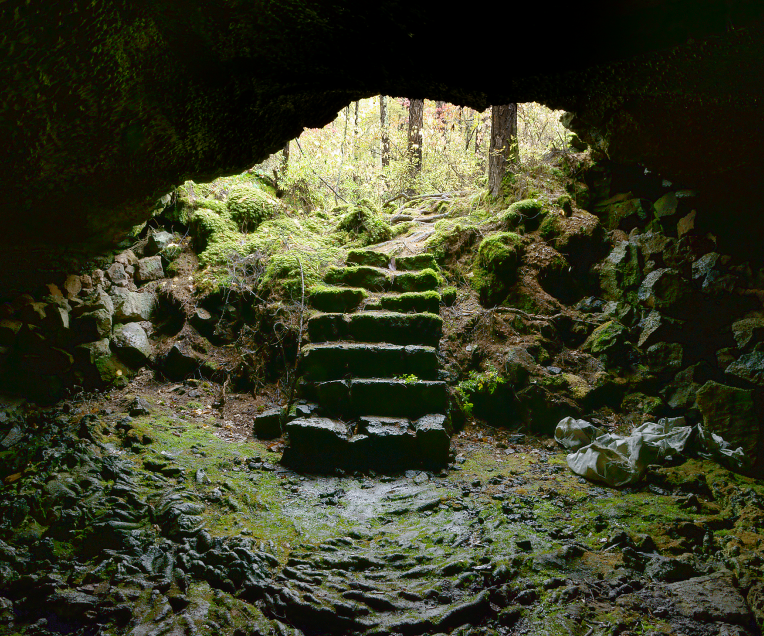
Fog Cave
Volcanic Crater: Proud Years, Vigorous and Powerful
The Weihu Hall at the volcanic crater is nestled deep within the Jingpohu Volcanic Crater National Forest Park in Ning'an City, Heilongjiang Province, situated at the transitional zone between ancient volcanic lava terraces and primeval forests. It serves not only as an iconic cultural landmark from the剿匪(anti-bandit) story "Tracks in the Snowy Forest," but also as a unique sanctuary where millennia-old volcanic landscapes blend with the spring scenery of the northern regions.
From late April to early May in the waning days of spring and the onset of summer, the spring breeze gradually awakens this dormant mountainous land. The lava cliffs where the Tiger Hall stands shed their lingering snow, and amidst the crevices of the dark volcanic rocks, moss is the first to display a tender, fresh green. The chirping of mountain birds echoes through the hollow valley in front of the hall. In the early mornings, thin mist often drifts over the entrance of the lava tunnel, swirling around the stone steps and corridors of the Tiger Hall, blending the man-made structures with the primeval volcanic forest into a flowing ink painting.
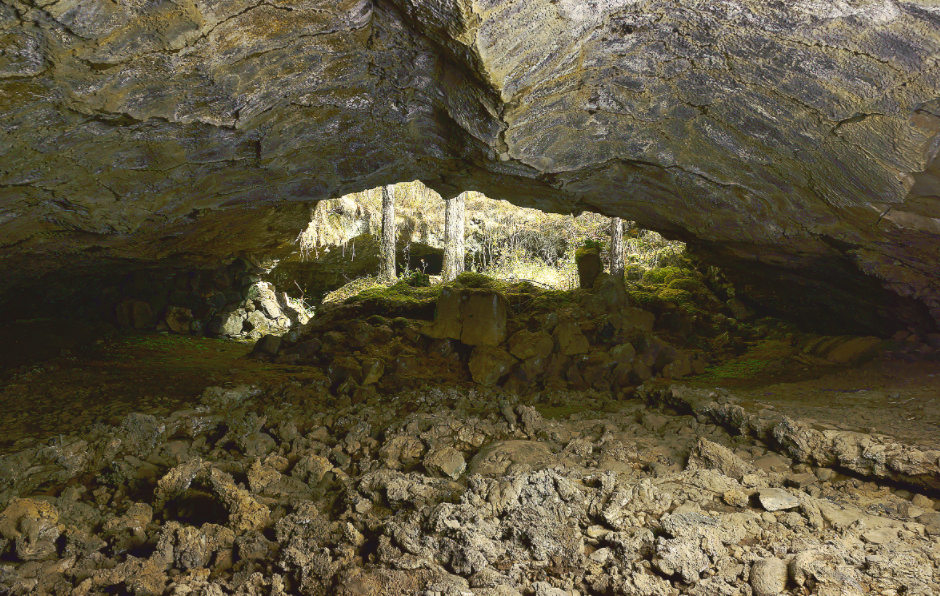
Tiger Hall