


Bohai Kingdom: Ancient Charm in Spring Breeze, Historical Relics Exude Fragrance
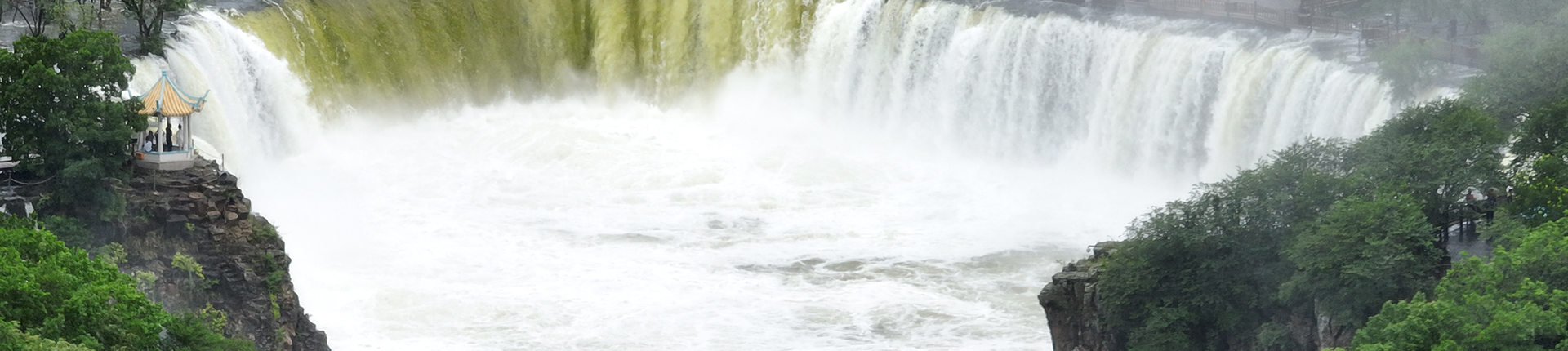
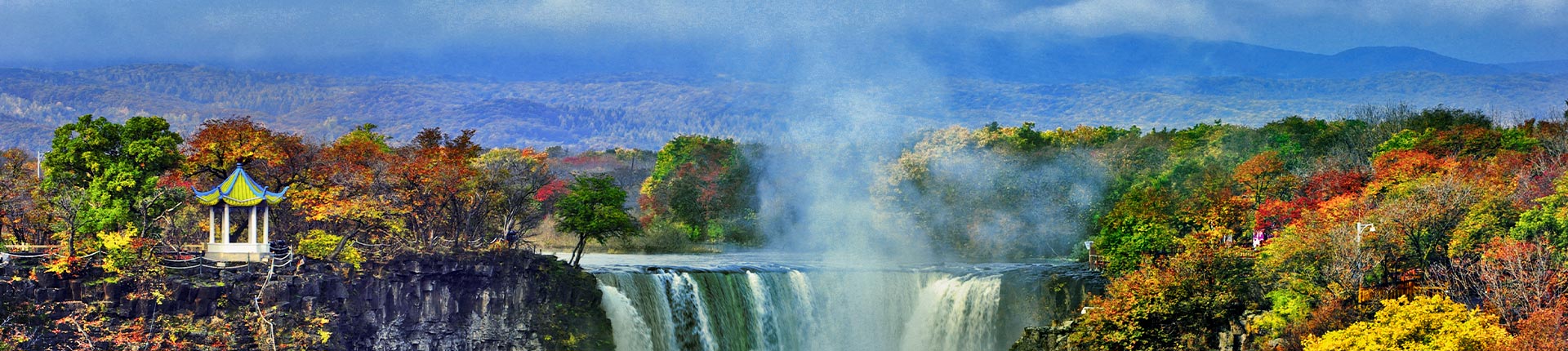
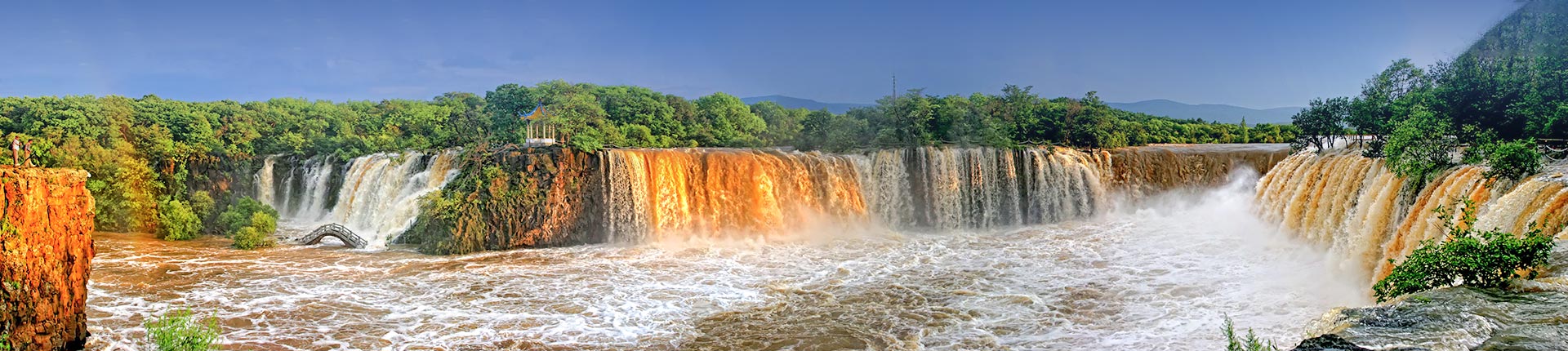
The spring breeze sweeps across the ruins of the Bohai Kingdom, awakening the slumbering ancient charm of a thousand years. As a significant remnant of the Bohai Kingdom during the Tang Dynasty, the ancient city walls and palace ruins here appear even more solemn under the warm spring sunlight. Among the broken walls and remnants, green grass sprouts from the earth, contrasting with the ancient bricks and stones, as if engaging in a timeless dialogue across millennia. Standing atop the ruins, gazing at the scenic beauty of Jingpohu, one can almost hear the drums and horns of the Bohai Kingdom and the bustling sounds of its markets echoing in the distance. The Bohai Kingdom in spring combines the weight of history with the vitality of nature, allowing every visitor to touch the warmth of history amidst the mountains and waters.Bohai Kingdom's Xinglong Temple: A Millennium Buddhist Legacy by Jingpohu
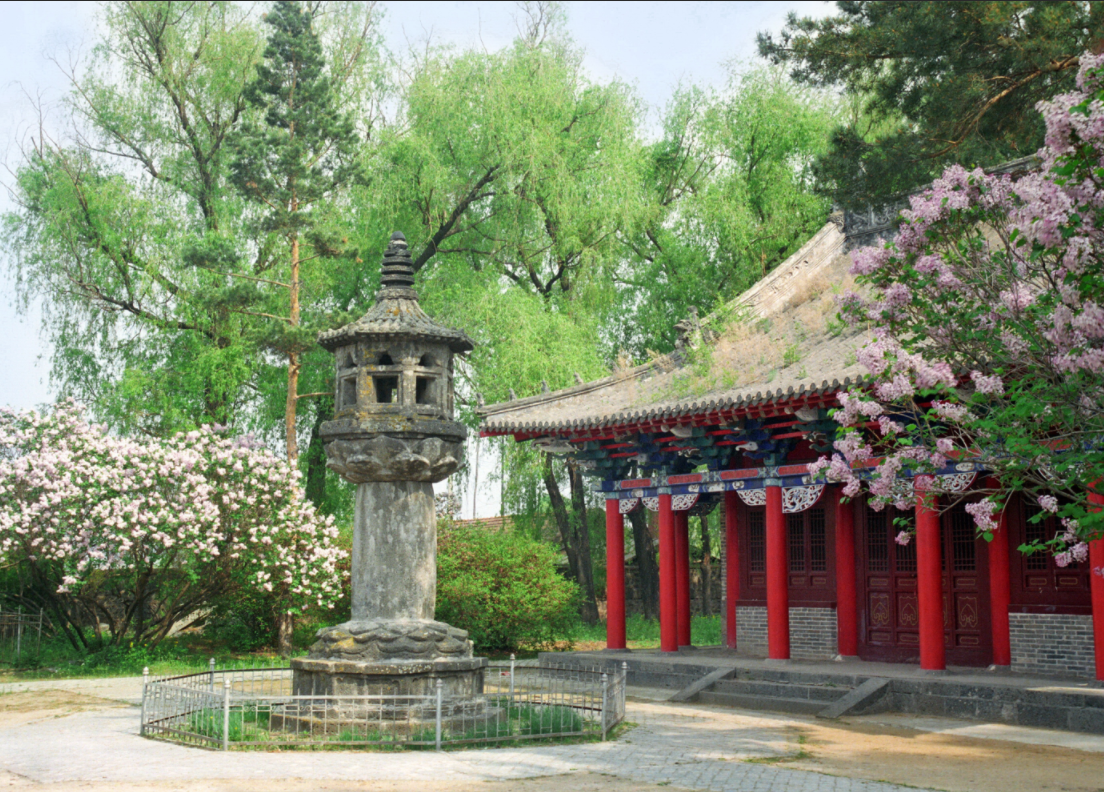
Xinglong Temple (commonly known as "Nan Da Miao"), located in the core area of the Bohai Kingdom ruins within the Jingpohu Lake scenic area, is one of the most well-preserved and historically significant ancient architectural complexes in Northeast China. It stands as a living fossil of the fusion between Bohai Kingdom civilization and Buddhist culture. Originally built during the Tang Dynasty's Bohai Kingdom period as a royal state-protecting temple, it served as a sacred site where kings and ministers worshipped Buddha and prayed for blessings. After being destroyed in the wars of the Liao and Jin dynasties and later rebuilt during the Ming and Qing dynasties, it was finally named "Xinglong Temple" during the reign of Emperor Kangxi in the Qing Dynasty, a name that has endured to this day. The temple carries the incense offerings and memories spanning over a millennium.
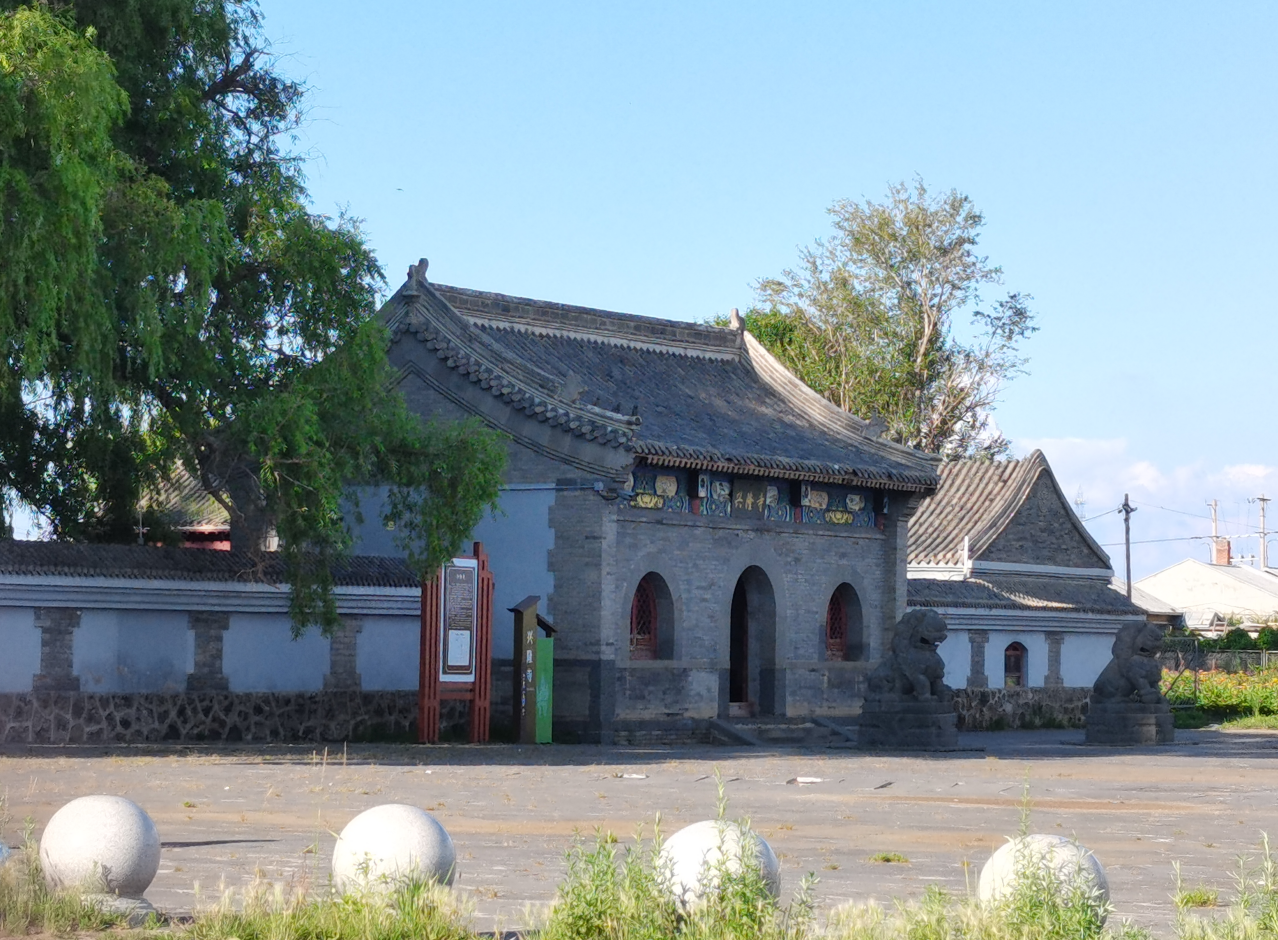
The temple complex is meticulously laid out, with five main halls arranged sequentially along the central axis—Horse Hall, Guan Yu Hall, Heavenly Kings Hall, Mahavira Hall, and Three Saints Hall—each distinguished by their upturned eaves, carved beams, and painted rafters. The architecture exudes the grandeur of the Tang dynasty while embodying the rustic solidity of northern ancient structures. The Mahavira Hall’s unique hip-and-gable roof and multi-layered bracket sets showcase the exquisite craftsmanship of traditional wooden architecture, making it a quintessential example of ancient northern construction.
As the spiritual core of the temple, the millennium-old stone lantern and Balhae stone Buddha are unmissable national treasures. The nearly 6-meter-tall stone lantern, carved from basalt, consists of 12 components joined by mortise and tenon. Its octagonal body is hollowed out to let light pass through, while the seven-tiered stone pagoda at the top resembles a lighthouse. It stands as the most intact Buddhist stone carving from the Balhae Kingdom, remaining delicate and translucent despite weathering a thousand years. The Balhae stone Buddha in the Mahavira Hall, also a relic from the Tang dynasty, has been restored to its serene and dignified posture, with exposed chest and draped robes, its fingers forming a mudra as if preaching—imbued with a millennium of Zen wisdom and incense offerings. Additionally, the temple’s thousand-year-old stone tortoise pedestal, ancient pines and cypresses, and wind chimes at the eaves collectively form the "Five Millennia" spectacle, each narrating the rise and fall of the Balhae Kingdom and the temple’s enduring history.The temple houses a national treasure-level relic—a nearly 6-meter-tall stone lantern stupa meticulously carved from basalt. Comprising 12 sections joined by mortise and tenon, its octagonal body is hollowed to allow light to pass through, while the seven-tiered stone pagoda at its top resembles a lighthouse. This exquisite artifact, the most intact Buddhist stone carving from the Balhae Kingdom still in existence today, has retained its delicate beauty despite weathering a millennium of wind and rain. Inside the Mahavira Hall, the Balhae stone Buddha, also a relic from the Tang Dynasty, exudes serenity and solemnity after restoration. With its chest exposed and draped in a kasaya, the Buddha's fingers form a mudra as if delivering a sermon, embodying centuries of Zen wisdom and devotion. Additionally, the temple boasts a millennia-old stone tortoise pedestal, ancient cypresses, and wind chimes at the hall corners, collectively forming the unique "Five Millennia" landscape. Each element narrates the rise and fall of the Balhae Kingdom and the enduring legacy of this ancient temple.
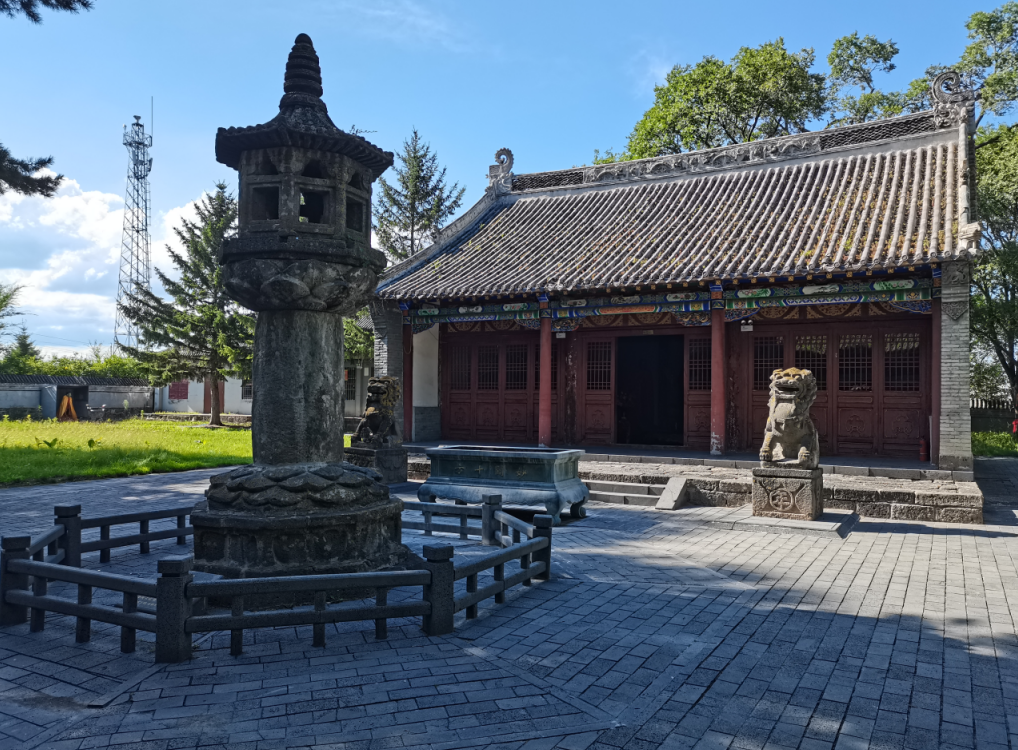
The Xinglong Temple in spring adds an extra touch of ethereal beauty. Warm sunlight filters through the gnarled branches of ancient trees, casting dappled shadows on the bluestone paths. The fresh greenery amid the halls contrasts harmoniously with the red walls and black tiles, blending Zen tranquility with the essence of spring. A gentle breeze stirs, making wind chimes softly chime alongside the rippling spring waters of distant Jingpohu, allowing visitors to feel the passage of time within the temple's serene embrace. Here, one can both touch the historical window of the Bohai Kingdom's civilization and find a secluded retreat away from worldly clamor—a peaceful sanctuary for meditation and prayer. Every visitor can immerse themselves in the millennial legacy of incense and the vitality of spring, gaining a deeper understanding of the cultural richness of Jingpohu.