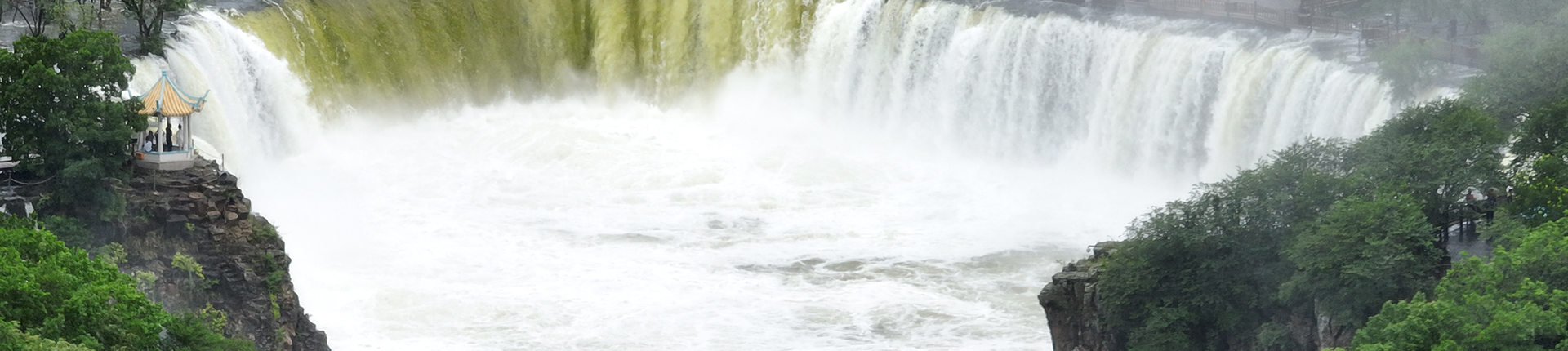
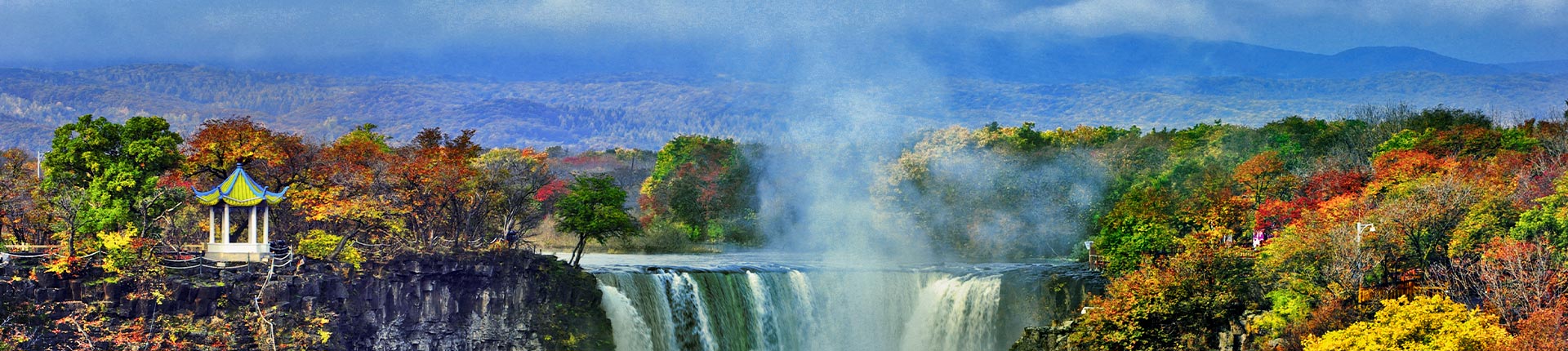

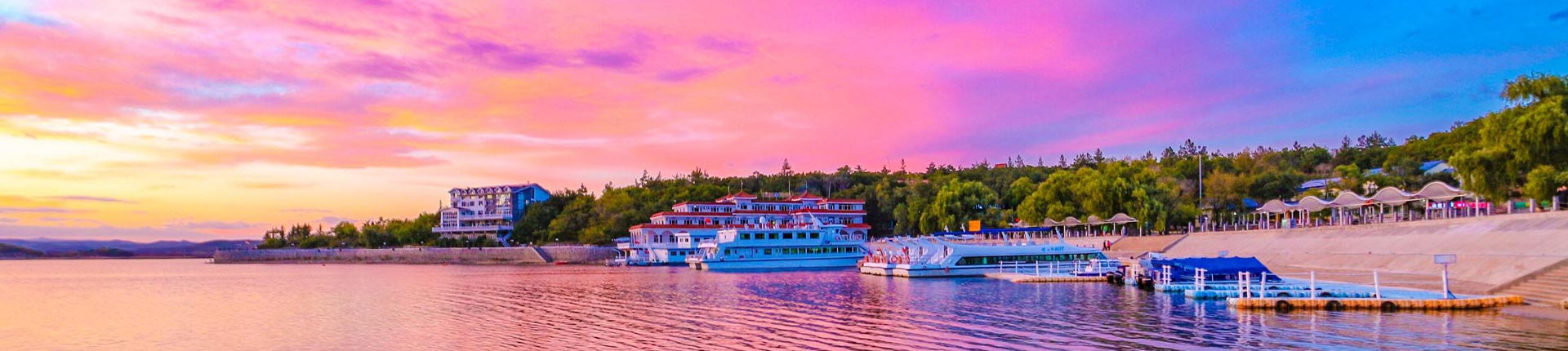

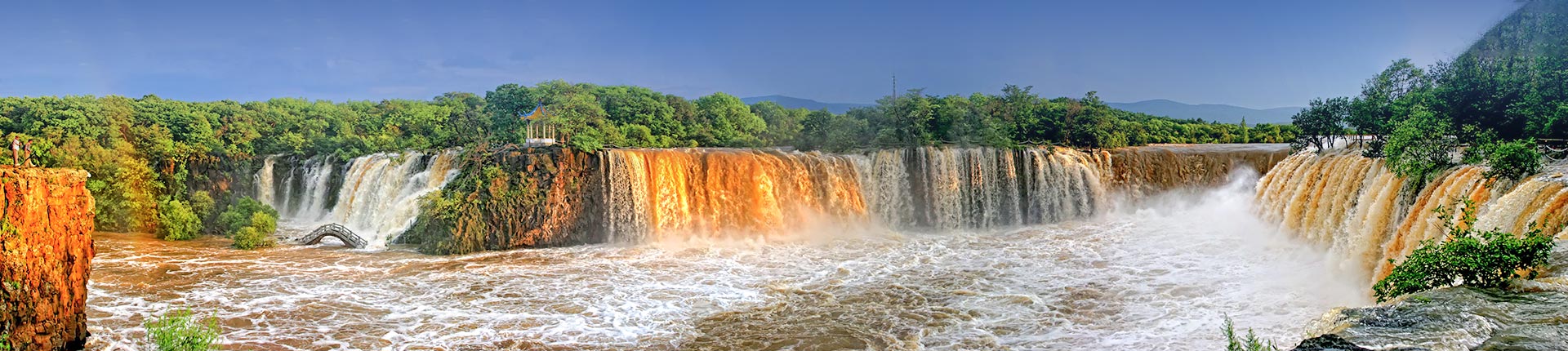
Jingpo Lake, a place of enchanting beauty and crystal-clear waters, is home to the Jingpo Lake Integrity Culture Museum. Leveraging the natural splendor of the lake and mountains, the museum delves into local red resources, with integrity culture as its central theme. It interconnects natural landscapes, the resilience of the Anti-Japanese, historical traces of sages, contemporary role models, and legal education, blending historical depth, modern significance, and practical imperatives into one cohesive experience. Visitors are invited to cleanse their minds, nurture uprightness, and cultivate a perpetual sense of reverence and commitment to integrity.
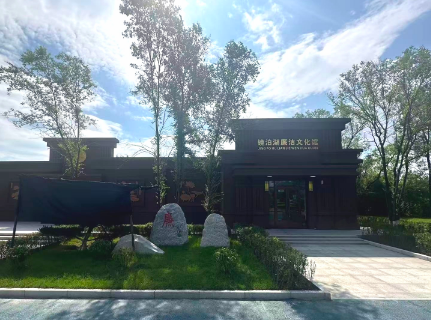
The pavilion features nine exhibition halls, where scenic views inspire reflections on integrity at every turn.
**Hall 1: Mirror-Lake Serenade · Clarity of Heart and Purpose**
The hall opens with the preface: *"The Mirror Lake’s beauty inspires; its pristine waters reflect virtue. Integrity builds character; purity strengthens the nation."* A mural of the hundred-mile lake bears the inscription: *"Clear waters ripple with noble winds; the mirror’s lotus blooms with righteousness."* At the center stands the Mirror Lake’s treasured mirror. Its front is engraved with *"Heaven and Earth, Pure and Clear,"* while the back reads: *"History as a mirror reveals rise and fall; people as a mirror illuminate gains and losses; the lotus as a model guides conduct and demeanor."* The hall likens the lake’s clarity to the foundation of self-cultivation, awakening thoughts on moral clarity and purpose.
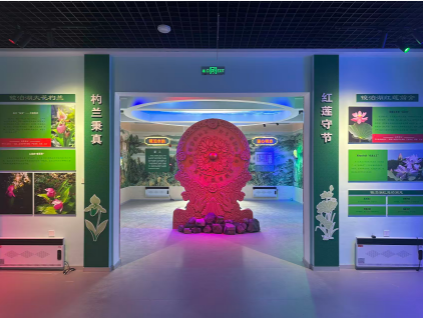
**Hall 2: Red Lotus Upholds Integrity · Lady’s Slipper Embodies Truth**
Native flora symbolize noble character. The Mirror Lake red lotus, a 135-million-year-old living fossil and a nationally protected Class II wild plant, is also a cultural icon of the Balhae Kingdom, embodying unyielding purity—echoing the ideal *"rising untainted from the mud."* The large-flowered cypripedium, hailed as *"the North’s most beautiful orchid,"* is equally a protected Class II species, demanding pristine habitats. It represents refined restraint and unwavering principle despite adversity. Each bloom and leaf reflects the essence of integrity and self-discipline.
Hall 3: Resilience Amidst Adversity – A Legacy of Integrity
This exhibition traces the arduous 14-year resistance war fought across the rugged landscapes of Northeast China, using native symbols like the Korean pine and wild chrysanthemum to embody the unyielding spirit of the Northeast Anti-Japanese Allied Forces. On display are the *20 Provisional Military Rules of the Northeast People’s Revolutionary Army Independent Division (1933)*, alongside stories of martyrs such as Zhang Zhonghua, Chen Rongjiu, and Chen Hanzhang, the "Hero of Jingpo Lake." The hall highlights the discipline and integrity of figures like Zhou Baozhong and Chen Hanzhang, distilling the Five Virtues of the Anti-Japanese Allied Forces—**uprightness, tenacity, simplicity, integrity, and steadfastness**—to honor the enduring legacy of integrity rooted in this land.
Hall 4: Guided by Leaders – Forged in Conviction
Centered on the principle that **“the country is its people, and the people are the country,”** this hall presents key discourses on integrity culture through five dimensions: clothing, food, shelter, travel, and governance. It features a personal letter from Xi Jinping to his father, Xi Zhongxun, exemplifying the essence of family values—**honesty, diligence, unwavering faith, devotion to nation and family, and disciplined frugality**—as a cornerstone for cultivating integrity in both personal and public life.
Hall 5: Rules Illuminate, Jingpo Inspires
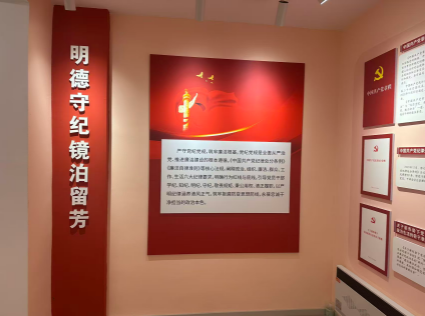
Combining legal education with exemplary role models, this hall showcases regulations like the *Communist Party of China Discipline Inspection Regulations*, the *Integrity Self-Discipline Guidelines*, and the *Public Officials Sanctions Law*, clarifying the Six Disciplines and oversight jurisdictions. It chronicles integrity-themed anecdotes of past leaders—Liu Shaoqi, Zhu De, Dong Biwu, Deng Xiaoping, Jiang Zemin, and Hu Jintao—during their visits to Jingpo Lake. Additionally, it honors national models such as Zhang Guimei and Zhang Fuqing, alongside local exemplars like Cong Rifeng (guardian of Jingpo’s waters), Liu Guorui (an impartial police officer), and Jin Guilan (a community-minded public servant), celebrating the power of integrity in everyday heroes.
Exhibition Hall 6: Learning from History to Inspire the Present • Honoring Virtue and Strengthening Foundations
Gazing back at the long river of history, we reflect on incorrupt officials of past and present as historical mirrors. Wang Renxiu, the tenth king of the Bohai Kingdom in the Tang Dynasty, rectified governance and embraced frugality, creating the prosperous "Haodong Kingdom." The Liao Dynasty’s renowned minister Daa Gongding, known for his integrity and love for the people, became a model of upright officials. The hall also displays the deeds of historical incorrupt figures such as Fan Zhongyan, Bao Zheng, Hai Rui, Yu Chenglong, and Lin Zexu. The historical fact of Qing Dynasty officials being exiled to Ningguta serves as a solemn warning against corruption. By recounting the stories of ancient sages like Yu the Great and Ximen Bao, who governed water and revitalized their nations with integrity and diligence, we grasp the sense of duty embodied in the phrase: "If it benefits the nation, I would risk life and death, undeterred by fortune or misfortune."
Exhibition Hall 7: Light and Shadow Illuminate Integrity • Wisdom Paints a Pure Breeze
Integrity permeates everyday life. The hall showcases the "Mudanjiang Civic Code of Conduct" and the "Ten New Village Pledges of Xuecheng," advocating for simplified weddings and funerals while rejecting social competition. It also displays domestic and outbound tourism civility pledges, illustrating that integrity extends beyond public office, taking root in dining tables, neighborhoods, and daily life.
Exhibition Hall 8: Advocating Integrity Through Action • Steadfast Practice for a Far-reaching Future
As a solemn space for commitment, it emphasizes that "a single sincere thought is as unshakable as nine tripods." The "Five No’s" pledge—no extravagance in clothing, no greed in food, no excess in housing, no selfishness in travel, and no abuse in governance—serves both as self-discipline and a solemn vow to the people.
Exhibition Hall 9: Culture and Creativity as Vessels of Virtue • Transforming Objects into Teachings (Final Hall)
The hall features Mudanjiang’s "Red and Integrity Culture Map," linking local landmarks such as the Ma Jun Memorial Hall, Yang Zirong Martyrs' Cemetery, and the Eight Heroines' Memorial Site.
Clear lakes reflect the sun and moon; integrity nourishes the world. Jingpo Lake Integrity Culture Museum takes the lake and mountains as a mirror, history as a guide, and virtuous figures as teachers. Visitors here absorb the spirit of righteousness, allowing integrity to take root in their hearts—upholding integrity, understanding duty, and practicing steadfastly for a far-reaching future.