

The ecology is the foundation for transformation and development
Jingpohu Lake paints a new picture of "Two Mountains" practice
——Director Li Dongjun Visits Zhaoqing Xinghu Lake's "Beautiful China, Everyone Talks" to Share Development Pathways %% Ecology as the Foundation, Transformation as the Key %% Jingpohu Lake Paints a New Picture of "Two Mountains" Practice
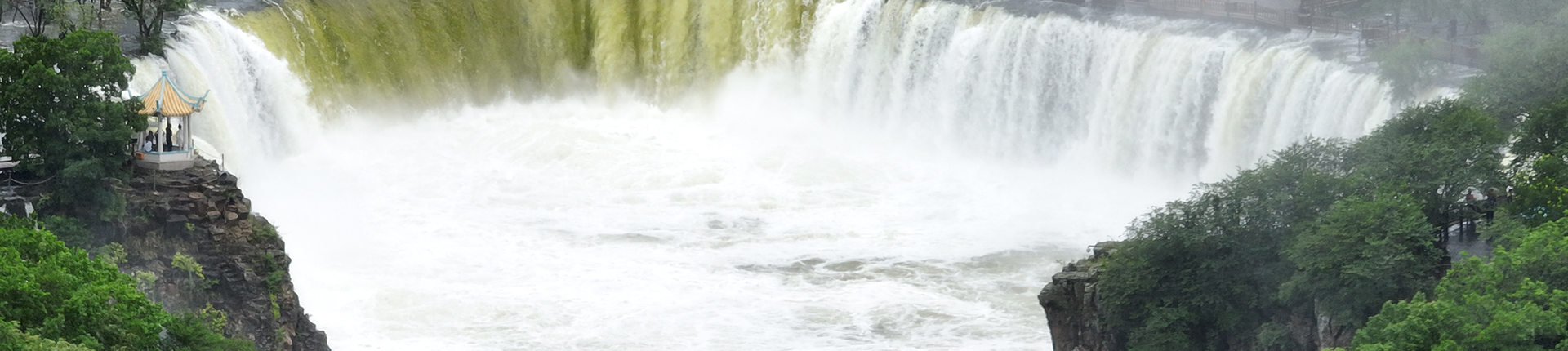
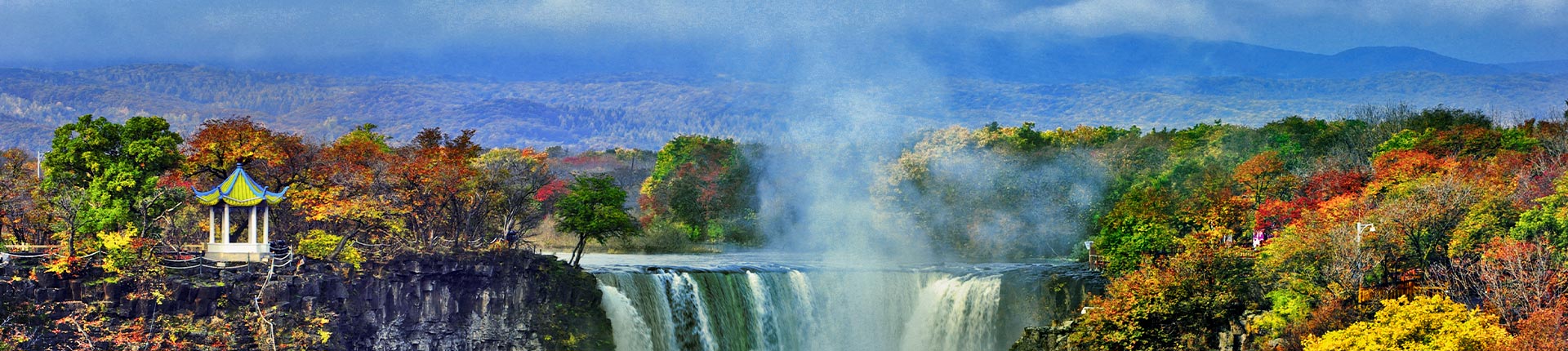
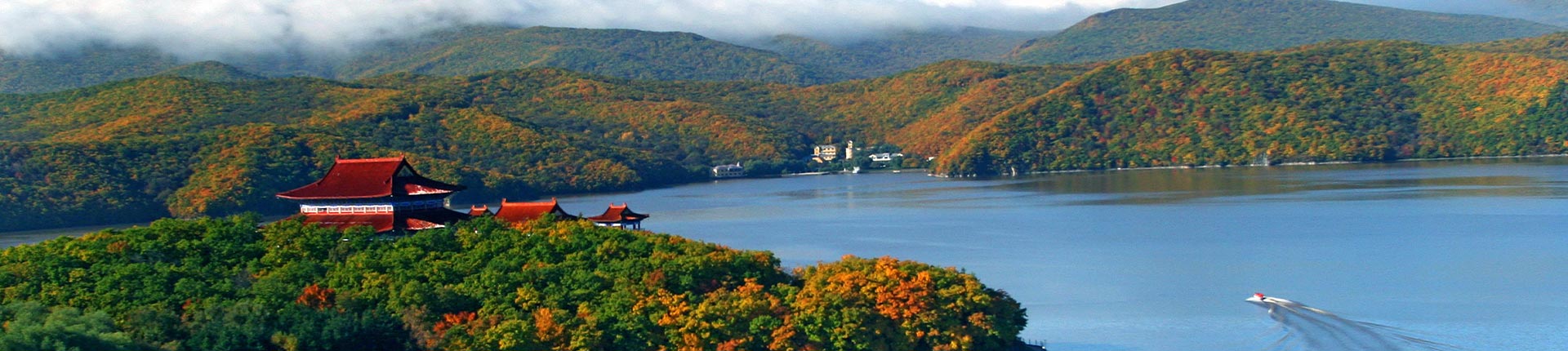
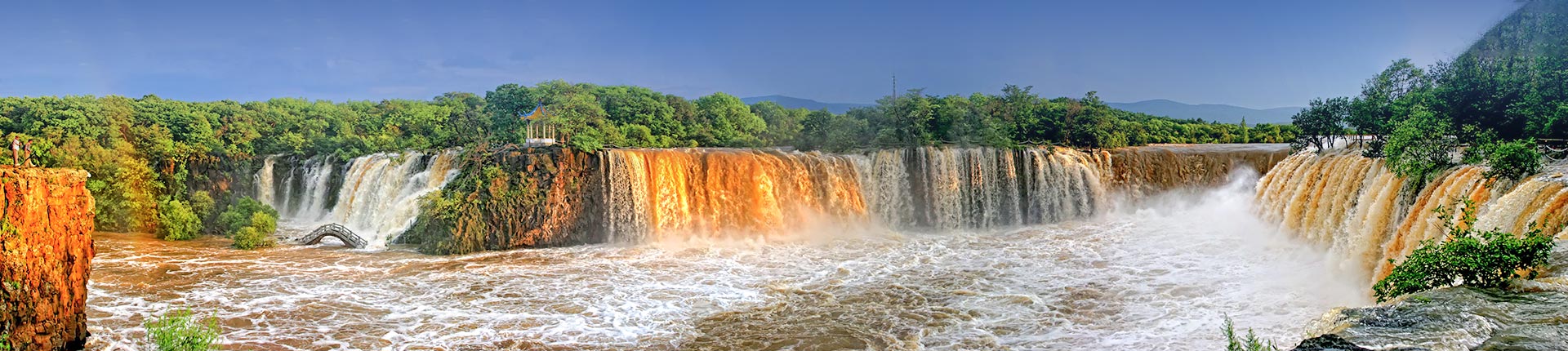
Recently, Li Dongjun, Deputy Party Secretary and Director of the Jingpohu Lake Management Committee in Heilongjiang Province, was invited to participate in the large-scale all-media interview series "Beautiful China: A Collective Discussion" (Rivers and Lakes Edition) held at Zhaoqing Xinghu in Guangdong. Under the moderation of Liu Dongdong, host from China Media Group, he engaged in dialogue with Zhang Yongli, President of the China Scenic Areas Association, as well as academicians, experts, scholars, and government and business leaders. Focusing on the two core themes of ecological protection and restoration and the value transformation of the "Two Mountains," he systematically shared the conservation and development strategies of Jingpohu, the northern pearl. ▶▶▶ As the world's largest volcanic lava-dammed lake and China's largest alpine barrier lake, Jingpohu Lake boasts a unique yet fragile ecosystem that once faced severe challenges from deteriorating water quality. In an interview, Li Dongjun candidly stated that the ecological protection and restoration of Jingpohu Lake followed a practical path of systematic governance, scientific strategies, and legal safeguards. During the remediation process, the scenic area prioritized top-level coordination, establishing a collaborative governance framework involving provincial, municipal, and district authorities, as well as the management committee, local governments, forestry systems, and lakeside communities. Leveraging the expertise of the Chinese Research Academy of Environmental Sciences, the *Comprehensive Remediation Plan for the Jingpohu Lake Watershed (Mudanjiang City)* was formulated to provide scientific guidance for the efforts. Focusing on source control, over 20 million yuan from the central budget was secured to implement aquatic vegetation restoration projects. The lake achieved the sealing of 46 sewage outlets two years ahead of the provincial schedule and three years ahead of the national target, while establishing a closed-loop management system for sewage collection, temporary storage, and transport. Additionally, local regulations such as the *Jingpohu Lake Water Ecological Protection Regulations* were enacted to place lake conservation on a legal footing. Today, Jingpohu’s water quality remains consistently above Class III throughout the year, reaching Class II standards during certain months, earning it a spot among Heilongjiang Province’s first batch of "Beautiful Rivers and Lakes." ▶▶▶ On the foundation of strengthening its ecological base, Jingpohu Lake has laid out a clear and distinctive path for transforming the value of "lucid waters and lush mountains." Li Dongjun emphasized that ecological protection is not the endpoint but a lever for high-quality development. With deep integration of "culture, tourism, and sports" as its core engine, the scenic area has bridged the conversion of ecological advantages into economic benefits and public welfare. On one hand, leveraging events to boost tourism, the area has hosted over 30 national and provincial competitions, such as the National Winter Swimming Championships and the China Inline Skating Marathon Open. It transformed an idle lakeside bay into the National Sports Northern Water Training Base and secured approval as the summer training base for the Chinese rowing team ahead of the 2026 Los Angeles Olympics, successfully creating a new business model of "traveling with events" and embedding sports-driven economics. On the other hand, it has deepened its cultural roots by establishing eight themed museums, including the Jingpohu Lake History and Culture Exhibition Hall, forming a unique "museum cluster." In collaboration with Peking University, it built the country's first "lunar-analog underground space" teaching and research base, allowing natural landscapes and cultural-scientific education to complement each other. Simultaneously, the scenic area seized the opportunity to transform "cold resources," launching winter-themed tourism products like the "Millennial Grand Ice Fishing" and "Snowstorm Ningguta," while creating a matrix of ice-snow sightseeing and entertainment activities. These efforts have propelled tourism from "two-season prosperity" to "year-round vibrancy." The results speak for themselves: post-pandemic, Jingpohu Lake has consistently set records for visitor numbers, turning both "lucid waters and lush mountains" and "ice and snow" into "golden mountains and silver mountains." ▶▶▶ "Preserving the pristine waters and green mountains is our foundation, while innovation and integration are the keys to driving value transformation." Li Dongjun shared the development insights of Jingpohu Lake at the end of the interview. In the future, Jingpohu Lake will continue to prioritize ecological protection and take the path of integrated development, striving to create a demonstration model for practicing Xi Jinping's ecological civilization philosophy, ensuring this northern pearl shines eternally and benefits the local people. Participants in the interview included Shao Jisheng, academician of the International Eurasian Academy of Sciences, editor-in-chief of the "China Urban Development Report," and deputy director of the Expert Committee of the China Scenic Areas Association; Yan Hongyu, deputy mayor of the People's Government of Zhaoqing City; Li Zhongyi, director of the Office of the Water Sports Management Center of the General Administration of Sport of China; Hu Wenlong, secretary of the Party Committee and director of the Zhaoqing Xinghu Scenic Area Administration Bureau; Peng Tao, director of the Qingcheng Mountain-Dujiangyan Scenic Area Affairs Center; Wang Yuan, general manager of Pompeii Trading (Shanghai) Co., Ltd.; and Sun Jiayu, chairman of Guangdong New Era Cultural Tourism Development Co., Ltd. This interview was hosted by the China Scenic Areas Association, and co-organized by the Beautiful China Long March Event Organizing Committee, the River and Lake Committee of the China Scenic Areas Association, and the Zhaoqing Xinghu Scenic Area Administration Bureau. Over 200 representatives from scenic areas nationwide and journalists from nine central media outlets participated in the event.