Professor Zhang Jianping, China University of Geosciences (Beijing):
The formation of the Jingpohu Lake UNESCO Global Geopark is primarily the result of two major geological processes:
1. Volcanic eruptions and basaltic lava flows since the Cenozoic era
The Zhangguangcai Range volcanic belt, where the park is located, experienced multiple phases of volcanic eruptions between approximately 1 million and 4,800 years ago.
Large amounts of basaltic magma erupted onto the surface, forming extensive lava plateaus, volcanic cones, craters, and developing a rare cluster of lava tunnels in China.
2. Lava damming a river to form a volcanic barrier lake
Around 4,800 years ago, the last large-scale eruption of the Jingpohu Lake volcanic group occurred. The lava flow moved downstream along the Mudanjiang River valley, directly blocking the main channel of the Mudanjiang River.
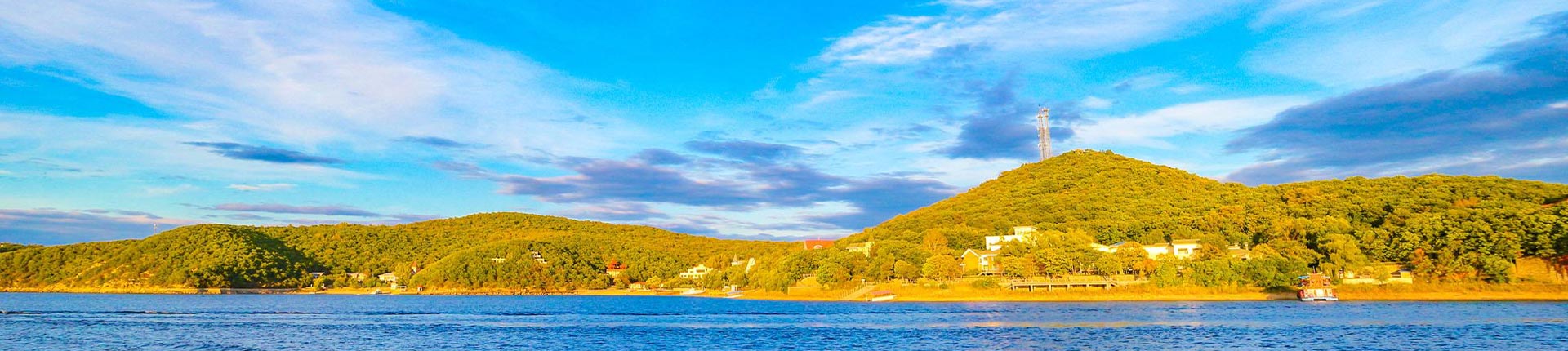
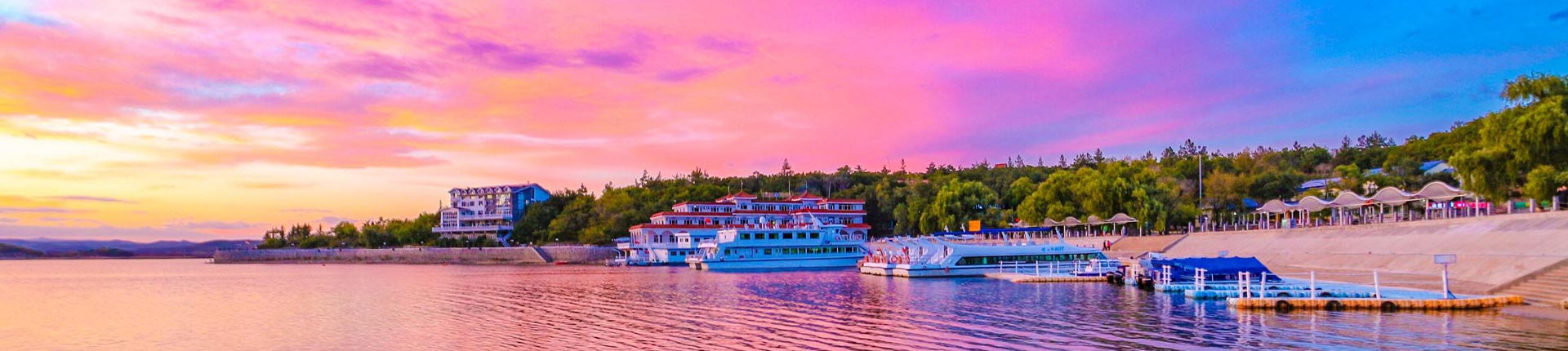
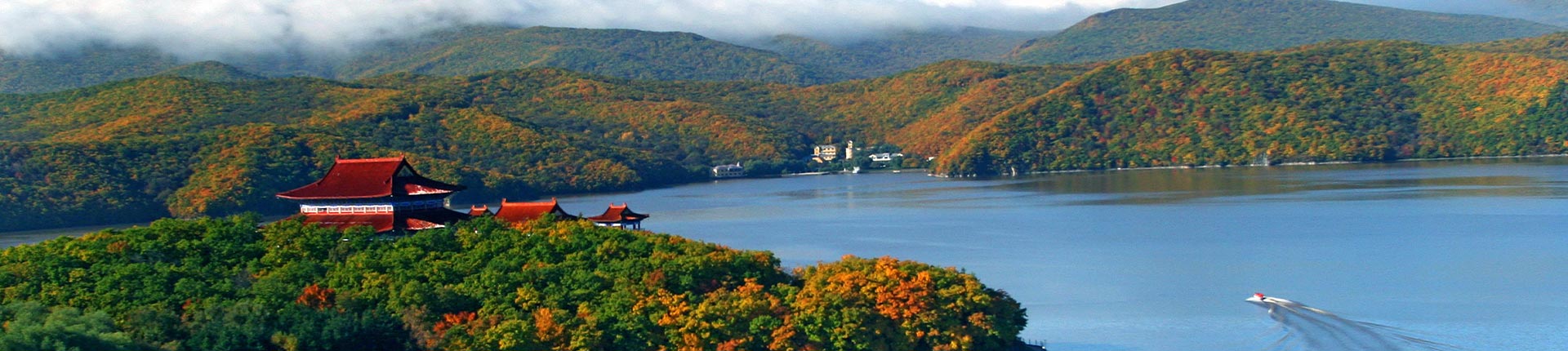
3. As the blocked river water accumulated continuously, it eventually formed Jingpohu—the largest volcanic barrier lake in China and the second largest in the world.
Later fluvial erosion shaped the waterfall and canyon landscapes
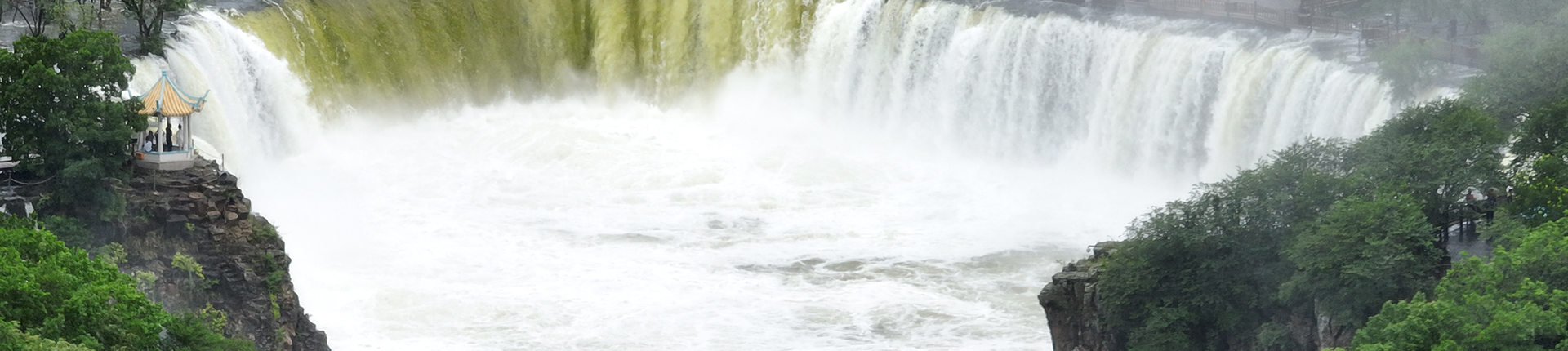
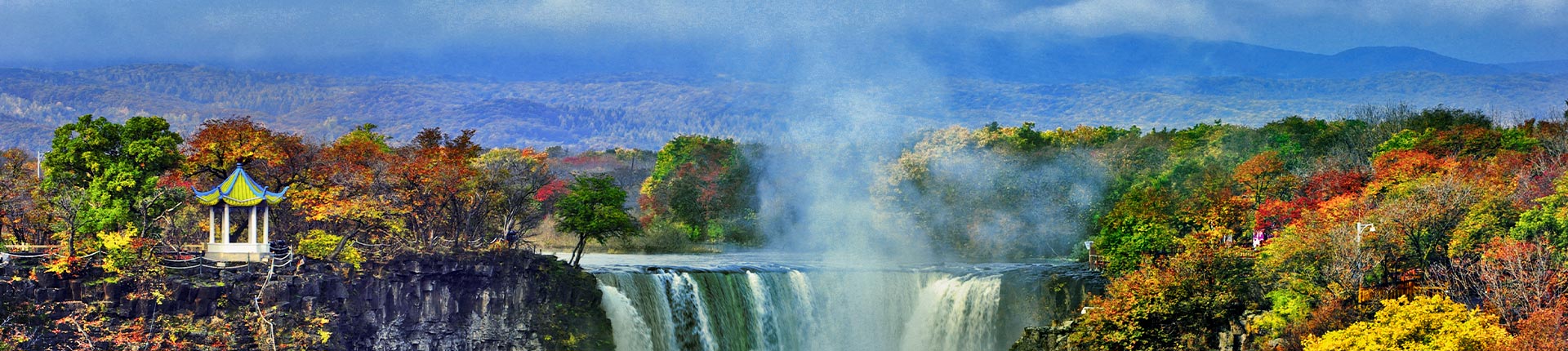
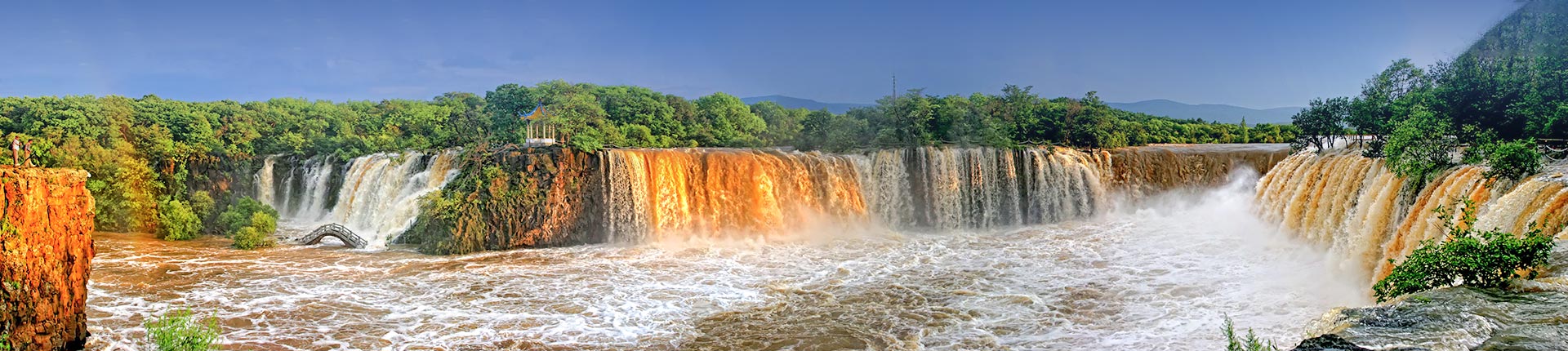
During the lake's drainage process, prolonged scouring and cutting of the hard basalt riverbed created typical hydrogeological features such as the Diaoshuilou Waterfall.