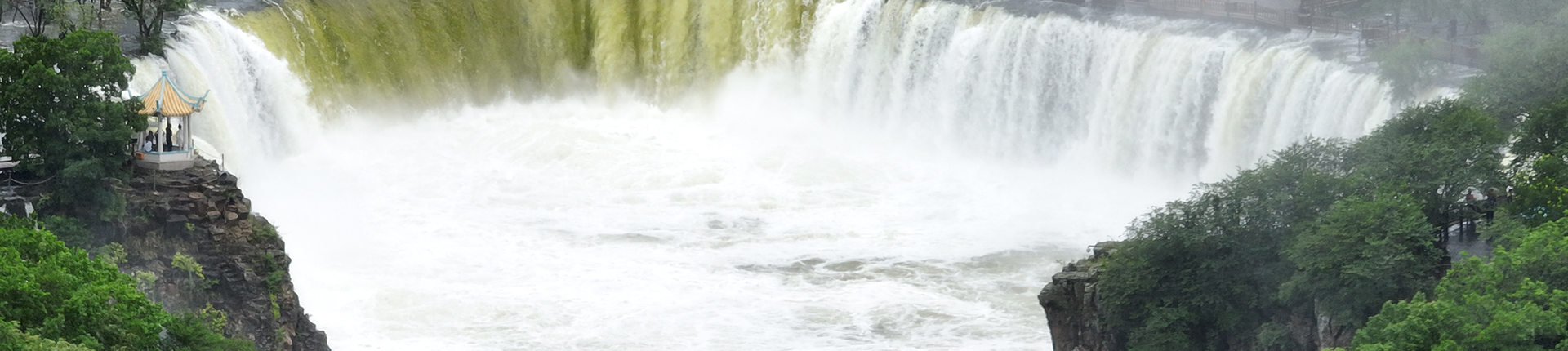
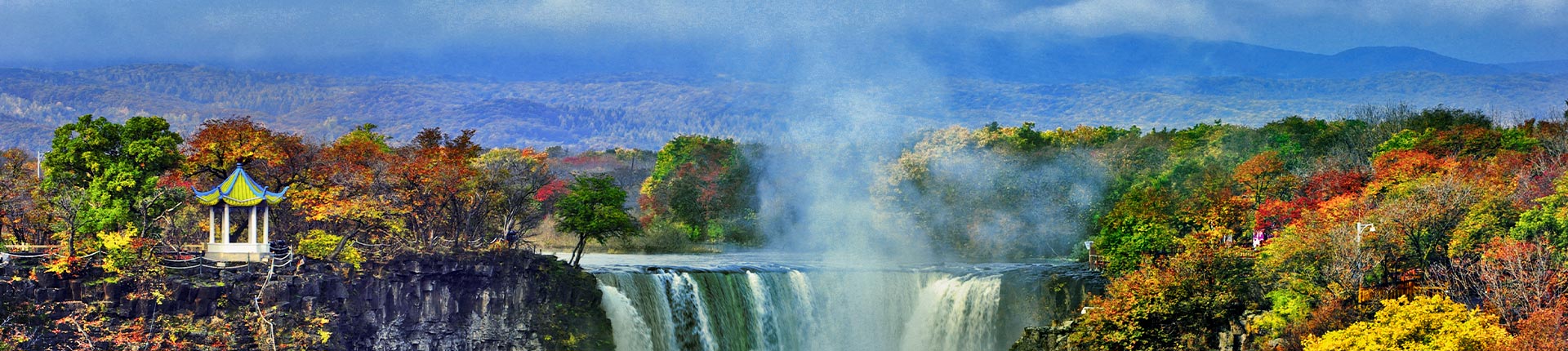
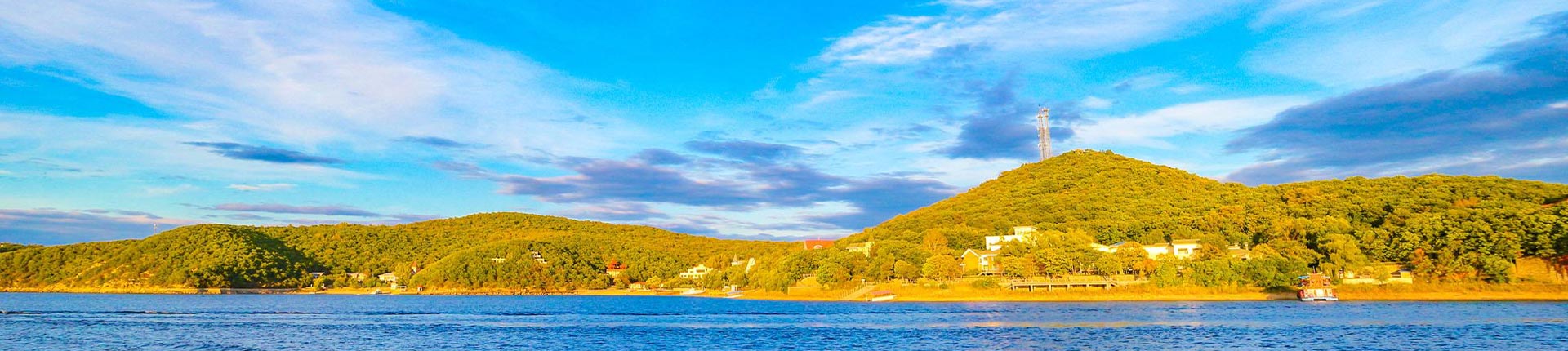
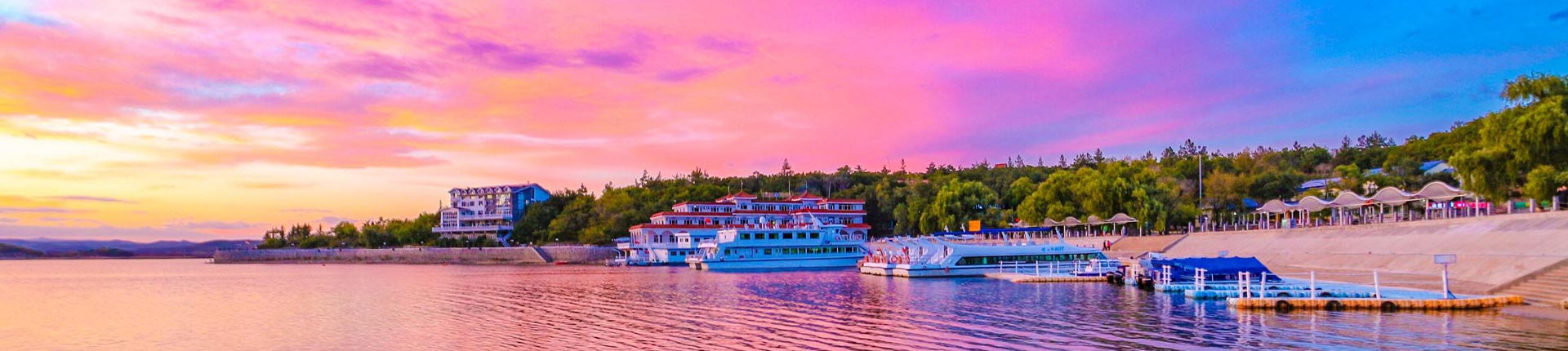
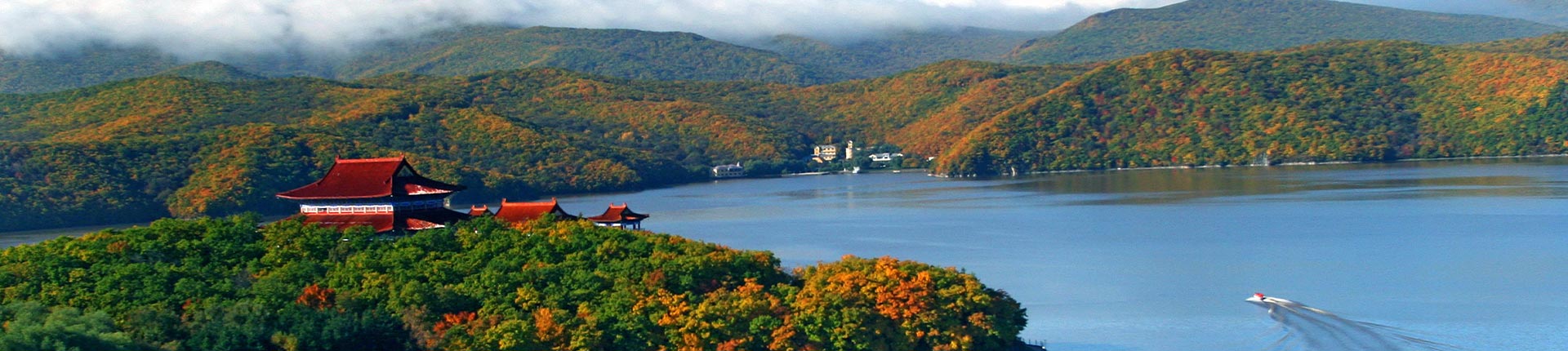
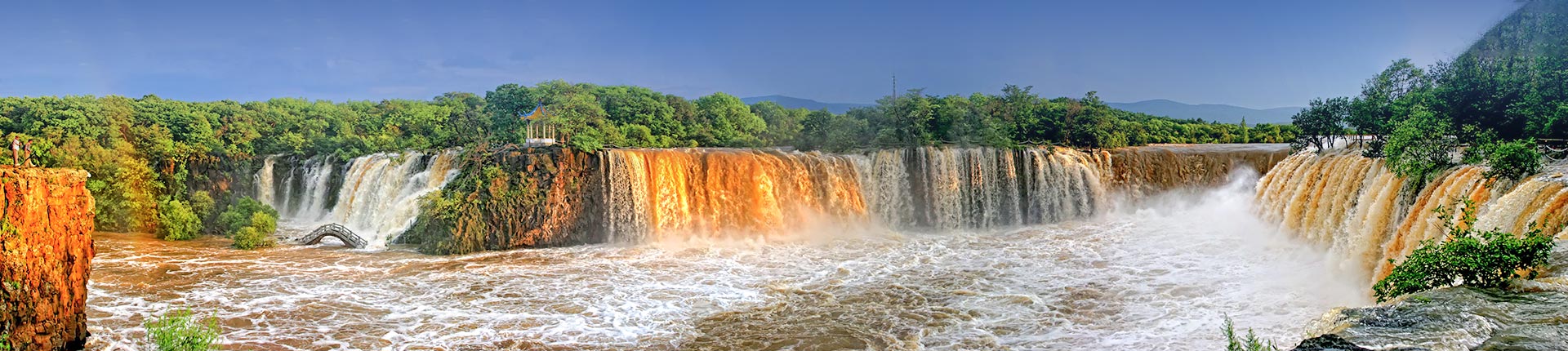
Butterflies are highly representative organisms in the evolution of life on Earth and serve as crucial indicator species for assessing regional biodiversity and ecosystem health. Jingpo Lake, as a national scenic area and nature reserve, features an intricate landscape of lakes, wetlands, mountains, grasslands, underground forests, and lava formations. These diverse geographical and climatic conditions create a uniquely favorable habitat for butterfly reproduction. According to statistics, the Jingpo Lake region has documented a total of 263 butterfly species. Highly sensitive to environmental changes, fluctuations in butterfly populations and their numbers can scientifically reflect ecological shifts at a biological level.
I. Butterfly Science: Life and Form
The exhibition systematically presents scientific knowledge about butterflies, interpreting their complete life cycle. Butterflies are holometabolous insects, undergoing four developmental stages: egg, larva, pupa, and adult. Their bodies are divided into the head, thorax, and abdomen, with most species possessing vibrant wings adorned with intricate patterns.
2. Native Butterfly Species: Characteristic Species of Jingpo Lake
Swallowtails are fundamental genera in butterfly research. The Chinese peacock (Papilio bianor) is the largest native butterfly in Jingpo Lake, named after the green band on the upper edge of its hindwings. Its larvae feed on the Amur cork tree (Phellodendron amurense), producing two generations per year in Heilongjiang. The spring-type has a wingspan of 8 cm, while the summer-type can reach 13 cm, with size influenced by annual climate and food availability.
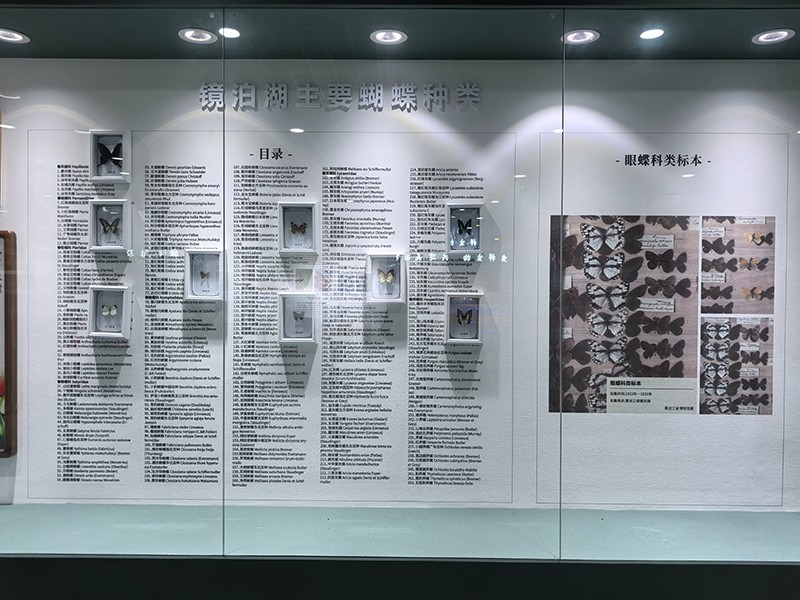
III. Collection Specimens: Representative Butterfly Species from China and Abroad
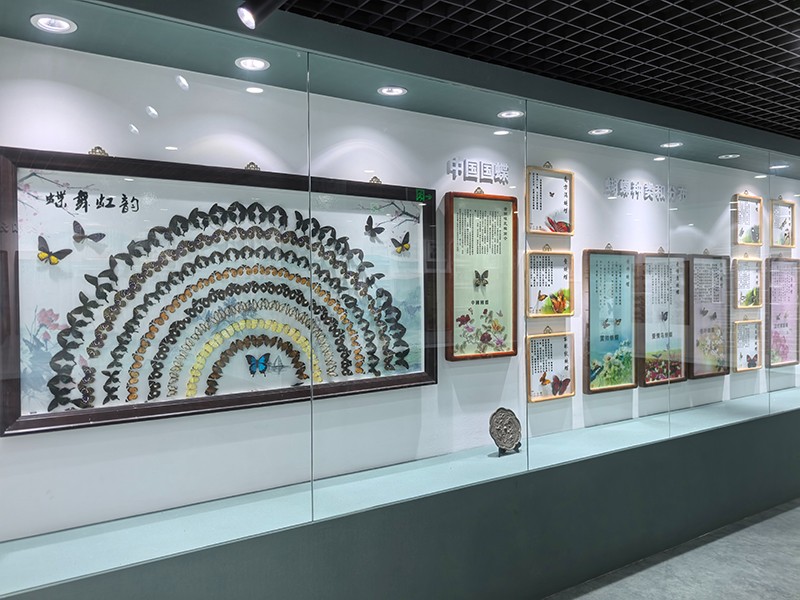
The exhibition hall gathers representative butterfly specimens from around the world, featuring a rich variety and dazzling diversity.
**Green Birdwing Butterfly**: Inhabits the tropical regions of southern China, a Class II nationally protected animal and the largest butterfly species in China.
**Lycaenidae**: Accounts for 40% of global butterfly species. The hall displays specimens of the Small Cupid and the Black-spotted Hairstreak, with new species continuously being discovered.
**Ulysses Butterfly**: Native to Australia, known for its vibrant colors. The specimen carries historical anecdotes from the Age of Exploration.
**Yellow Cabbage Butterfly**: The species depicted in the ancient poem, *"Children chase the yellow butterfly in haste, only to lose it amid blooming rape."* It primarily feeds on cruciferous plants like cabbage, rapeseed, and radish.
**Danainae (Milkweed Butterflies)**: Larvae are naturally toxic, and adults secrete foul-smelling substances to deter birds. Unlike most butterflies, they lay eggs in clusters, and larvae move in groups.
**Parnassius & Apollo Butterfly**: Found near snowlines, with elegant and cold-resistant coloration. The Apollo Butterfly was the first butterfly species listed under the *Washington Convention* and is distributed in Heilongjiang, Xinjiang, and Inner Mongolia in China, classified as a Class II protected animal. China has five protected butterfly species, four of which are Class II, with only one as Class I.
**Golden Kaiser-i-Hind**: China’s sole Class I protected butterfly, an endemic species and ranked first among the world’s eight most precious butterflies, hailed as the "Butterfly of Dreams" and designated as China’s national butterfly.
**Nymphalidae (Brush-footed Butterflies)**: Considered the most evolutionarily advanced butterflies, they pupate head-down, with some mimicking leaves to deceive predators.
**Satyridae & Morphinae**: Feature circular eye patterns to intimidate predators. Satyridae have eye patterns on the dorsal side of their wings and prefer cloudy weather, while Morphinae (including owl butterflies) have ventral eye patterns and are scavengers.
**Glasswing Butterfly**: Native to South America, its wing scales shed, leaving transparent wings resembling those of a dragonfly.
**Morpho Butterfly**: Relies on specialized scale structures to reflect and refract light, creating a dazzling metallic luster.
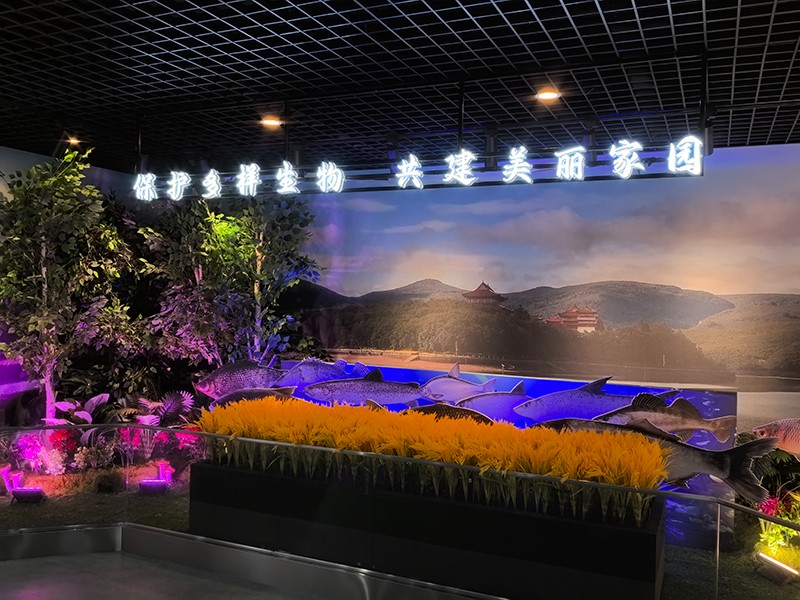
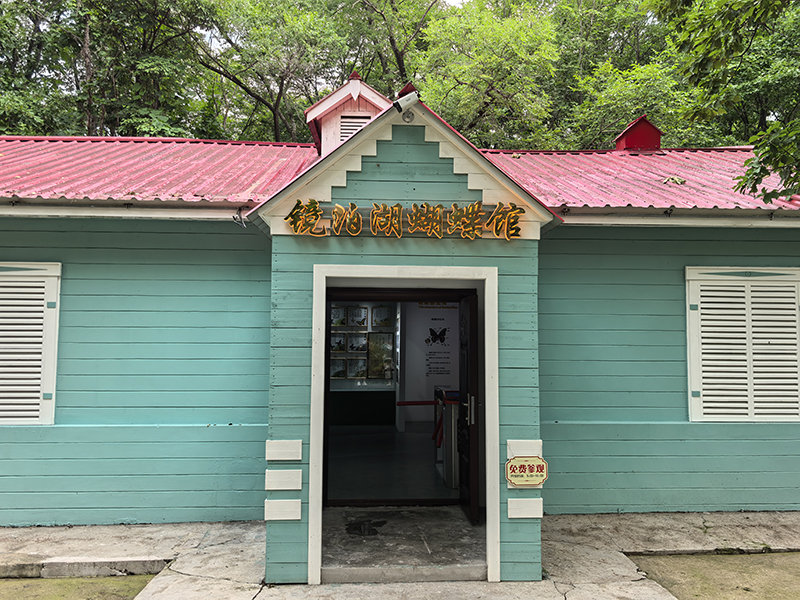
Strolling through the Jingpo Lake Butterfly Museum, visitors can admire the vibrant butterfly specimens up close, unraveling the marvelous mysteries of insect evolution, while also understanding the region's excellent ecological foundation through its rich butterfly resources. Each butterfly is a world unto itself, dancing gracefully to reveal the beauty of nature. May every visitor, while appreciating the beauty of butterflies, spark an interest in exploring natural sciences, embrace the concept of wildlife conservation, and join hands in protecting Jingpo Lake's thriving ecological home where all creatures coexist harmoniously.